
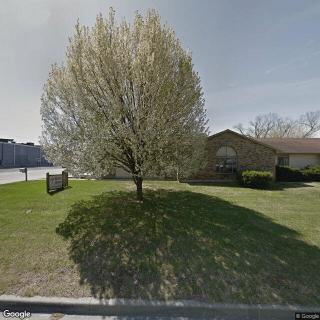
614 South Mainpo Box 8, Clinton, MO 64735
For more information about senior living options: (866) 208-4318
Overall Review of Joy Adult Care Center
Pros
 The staff here care about their residents.
- Joy Residential Care Facility does a very creditable job with the resources they are given.
- It is a very well-run place.
- Joy receives fairly regular upkeep and beautification, and the administrator likes to upgrade and improve as possible.
Cons
 The transportation van is reportedly being used as a personal vehicle, suggesting neglect and potential illegality.
- It is alleged that staff lie about licensing and that no one in the facility has a valid license.
- The facility is described as dirty and poorly maintained, with residents not being guided on cleaning and thus stinking.
- The staff are said not to do their jobs and to lie about it.
- The reviews call for state evaluation or intervention to assess the facility.
Review
Joy Adult Care Center in Clinton, Missouri is best suited for seniors who need steady, light-to-moderate daily assistance and who value a small, familiar setting where staff are known to residents and management is actively pursuing ongoing, budget-conscious improvements. The facility’s appeal lies in a homespun atmosphere reinforced by attentive caregivers and an administrator who prioritizes cosmetic and functional upgrades when possible. It fits families that accept an older building with regular surface upkeep and a sense that the team cares about resident well-being, even when resources are limited.
Still, serious reservations should guide decision-making. Those prioritizing flawless safety, immaculate cleanliness, and rock-solid transportation reliability will want to explore alternatives. Reports circulating in the community raise alarms about transportation practices, with claims that vehicles are misused and that drivers may lack proper licensing. A troubling incident described by observers involved a resident leaving a hospital on crutches and returning without appropriate oversight, a scenario that underscores broader concerns about governance, oversight, and everyday safeguards. In short, the transportation and related accountability issues are not trivial and merit thorough verification before committing.
On the upside, the strongest pros center on genuine resident care and competent day-to-day management. Reviewers emphasize that staff care about residents and that the operation can feel well-run when viewed in the context of a modest facility with limited resources. Regular surface upkeep and attempts to beautify the environment occur under an administrator who seems inclined to improve the space through painting and small upgrades. This combination, caring staff, manageable scale, and visible administrative attention, can translate into dependable routines, predictable staffing, and a sense of stability for families who prioritize a steady caregiving approach over premium amenities.
Yet the drawbacks cannot be dismissed. The building itself is described as aging and, in some cases, dirty or run-down, which affects comfort, odor, and perception of safety. Several reviewers allege lapses in basic resident guidance around cleanliness and daily hygiene, suggesting gaps in supervision that could magnify as residents’ needs rise. The most troubling reports tie directly to transportation: misrepresented services, possible licensing issues, and the unsettling implication that a transport resource may be diverted for staff use rather than resident needs. Taken together, these factors create a risk profile that may overwhelm families seeking a risk-averse option with pristine facilities and ironclad service standards.
Who should pause and look elsewhere? Families with residents requiring consistent medical oversight, highly reliable transportation, or a pristine environmental standard should consider other communities first. Likewise, if the prospect of state-level findings or ongoing compliance questions looms large, alternative facilities with stronger governance, clearer licensing, and dedicated transport policies will likely offer more peace of mind. That said, the presence of caring staff and an engaged administrator does set a foundation for improvement, especially for residents who respond well to a familiar routine and a supportive, if imperfect, environment.
The practical takeaway is clear: this community can be a workable option for families who value personal attention and ongoing improvements within a modest budget, and who are willing to accept an older facility with some cleanliness and transportation concerns. Prospective residents should conduct rigorous firsthand checks, spend time with caregivers, observe the daily flow, review transportation policies, and request recent state inspections or licensing records. Ask pointed questions about how drivers are selected, trained, and supervised, and request transparent evidence of any corrective actions taken in response to concerns. If those assurances are hard to obtain or the answers raise further questions, expanding the search is the prudent path.
 42 resident community capacity
 Assisted Living
 Beauty salon
 Cable or satellite TV
 Dining room
 Fully furnished
 Garden
 Housekeeping services
 Kitchenette
 Move-in coordination
 Outdoor space
 Restaurant-style dining
 Small library
 Telephone
 Wi-Fi/high-speed internet available
 24-hour call system
 Activities of daily living assistance
 Assistance with bathing
 Assistance with dressing
 Assistance with transfers
 Diabetes diet
 Medication management
 Mental wellness program
 Special dietary restrictions




 Assisted Living Support for Veterans: A Complete and Detailed Overview
 Exploring the Contrasts Between Assisted Living and Skilled Nursing
 8 Key Indicators That Suggest It May Be Time to Transition from Assisted Living to Skilled Nursing Care