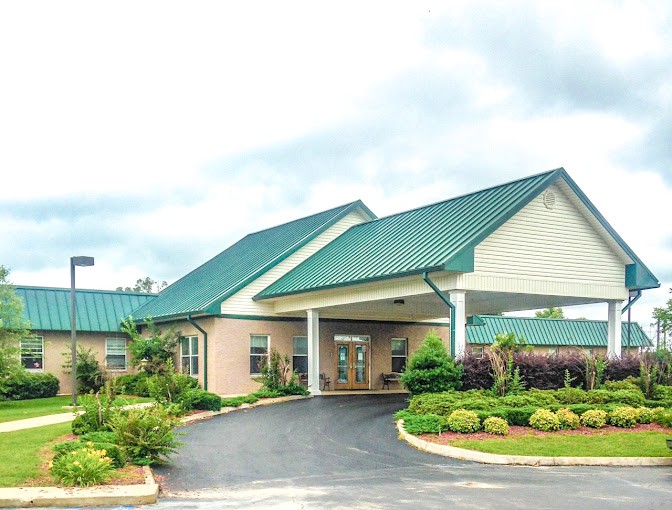
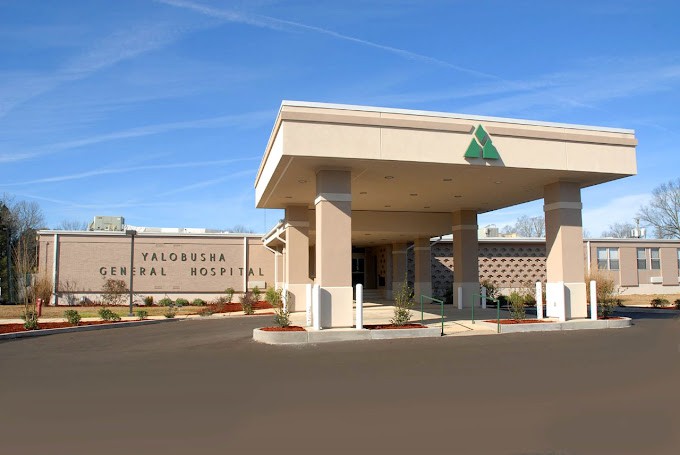
630 South Main Street, Water Valley, MS 38965
For more information about senior living options: (866) 208-4318
Overall Review of Yalobusha County Nursing Home
Pros
 The staff are patient and capable.
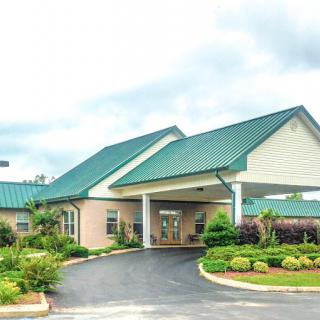
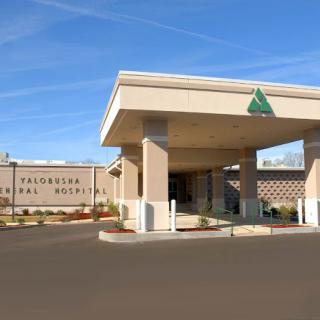
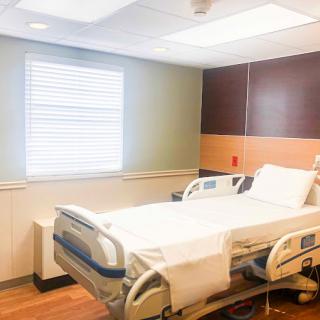
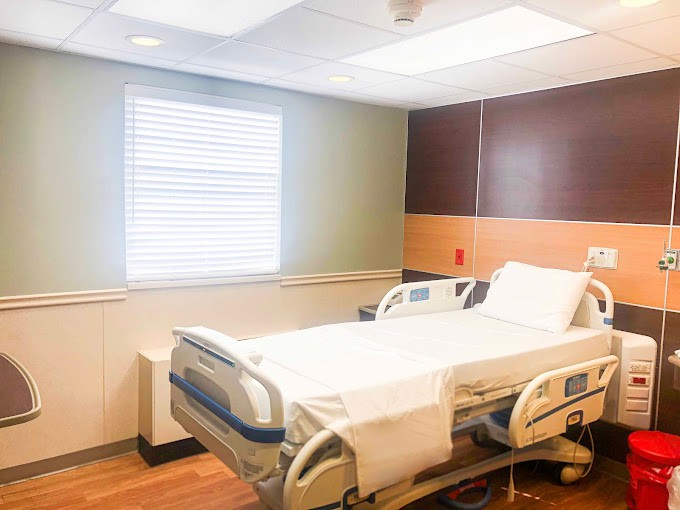
- The facilities are excellent.
- The reviewers recommend the facility.
Cons
 The staff attitude is bad.
- None of the staff spoke to or acknowledged the patient.
- The administrator does not attempt to know residents and stays in her office.
- The place has a cold spirit and feels discriminatory, with perceived racism.
- The therapist was unprofessional, boisterous, and refused to complete VA paperwork, offering excuses about lacking equipment.
- The reviewer perceived racial bias, noting that white patients received attention while others were ignored.
- The patient was left alone in the room for long periods and subjected to painful moves without relief for back pain.
- The department’s meeting during appointment times caused delays, making the patient wait longer.
Review
This community is best suited for families seeking solid, shipshape facilities and straightforward daily care, provided they are comfortable with variability in staff interactions and leadership engagement. Water Valley’s nursing home offers a physically well-maintained environment with functional care routines that can support independent or minimally dependent residents who do not require constant, highly personalized advocacy from administration. For residents who prize a clean, well-run campus and can persevere through some administrative friction, this setting can deliver reliable basic services without demanding top-tier customer service every day.
Those who should consider alternatives are residents who require consistently warm, responsive staff and proactive leadership. If a resident depends on uniformly respectful communication, transparent decisions, and a leadership team that actively knows and advocates for each person, this community may fall short. Veterans or families navigating VA paperwork will want to scrutinize how well the staff and administration handle documentation and eligibility matters, since those processes have been described as uneven. In short, if dependable advocacy and a consistently positive resident–staff dynamic are non-negotiable, other options deserve exploration.
On the upside, the facility itself earns credibility through its physical plant and the general competence of direct-care tasks when staff are aligned and attentive. When care teams are in sync, residents encounter capable hands, practical routines, and a sense that basic needs, mobility support, routine therapies, and daily living assistance, are being met with capable execution. A well-regarded PT presence in some moments demonstrates that skilled, professional care can surface, even if experiences vary by shift. In those circumstances, the environment provides a sturdy platform for daily living and recovery that can be reassuring to families who want reliability in the basics.
The most significant drawbacks cluster around staff attitudes and administration’s engagement with residents. Repeated concerns center on perceived coldness, impersonal treatment, and a disconnect between staff and residents that can leave individuals feeling unheard. Reports of delays, long waits for service, and inconsistent responsiveness raise questions about morale and supervision on the floors. Administrative disengagement, an administrator seen as distant or unresponsive, amplifies these issues, so problems can drift without timely resolution. When trust in the leadership core falters, even solid facilities and competent routines cannot fully compensate.
Another troubling thread is the resource and equity tension described by some residents and family members. Instances of discriminatory perceptions, unequal attention among residents, and friction around paperwork (notably VA-related forms) point to a culture that may undermine confidence in the care experience. These aren’t universal but are persistent enough that they demand careful vetting during tours, with explicit questions about how care plans are created, how staff are trained on bias and respectful care, and how concerns are escalated and resolved. The fear of a “cold spirit” and the sense of being unseen can erode the practical benefits of a clean campus and routine care.
In practical terms, families considering this community should enter with a plan to maximize oversight and advocacy. Schedule meetings with the director of nursing and the administrator to map out staffing patterns, response times, and how care plans are updated. Request opportunities to observe therapy sessions and to meet the consistent therapy team, if possible. Bring a clear checklist for VA paperwork and require concrete timelines for form completion and documentation. If choosing to move forward, treat it as a collaborative arrangement: insist on regular progress updates, explicit escalation paths, and a trial period that allows reassessment. This is a facility where the pros can be meaningful, but the cons are real enough to warrant deliberate, proactive engagement.
 122 resident community capacity
 Skilled Nursing Facility
 Air-conditioning
 Beauty salon
 Cable or satellite TV
 Computer center
 Dining room
 Fitness room
 Fully furnished
 Gaming room
 Garden
 Housekeeping services
 Kitchenette
 Move-in coordination
 Outdoor space
 Private bathrooms
 Restaurant-style dining
 Small library
 Telephone
 Wellness center
 Wi-Fi/high-speed internet available
 Community operated transportation
 12-16 hour nursing
 24-hour call system
 Activities of daily living assistance
 Assistance with bathing
 Assistance with dressing
 Assistance with transfers
 Diabetes diet
 Medication management
 Mental wellness program
 Special dietary restrictions
 Concierge services
 Planned day trips






 Exploring Palliative Care in the Home: A Comprehensive Overview
 Comprehensive Insights into Palliative Home Care: What It Is and What to Expect
 Skilled Nursing Facilities vs. Nursing Homes: Making Sense of the Differences