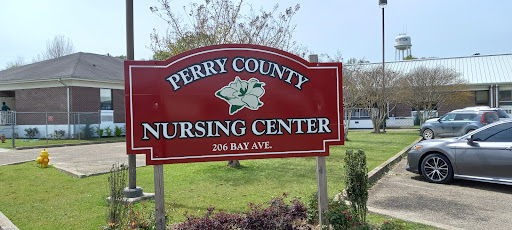
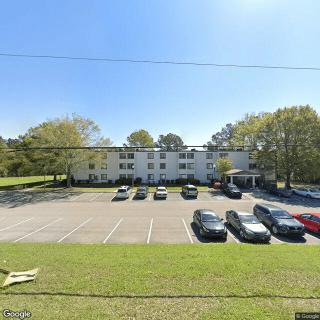
202 Bay Avenue West, Richton, MS 39476
For more information about senior living options: (866) 208-4318
Overall Review of Perry County Nursing Center
Pros
 The staff are very professional and caring.
- The nurses are great, polite, and explain medical decisions clearly to families and residents.
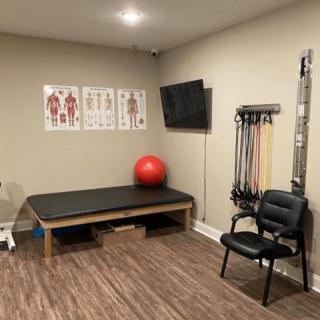
- PCNC offers ST/PT/OT and provides top-notch therapy.
- The food is cooked well, seasoned perfectly, and served hot.
- The CNAs are wonderful and generous with the residents.
- The residents are treated like family by the staff.
- The facility offers engaging activities like movie nights, popcorn, and homemade ice cream.
- The staff are dedicated to continuous improvement and keep the facility top-notch.
Review
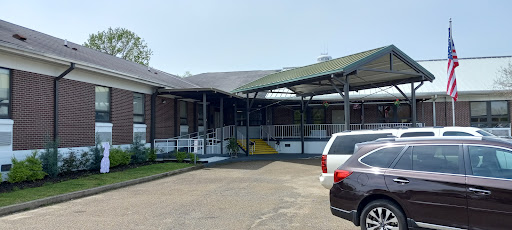
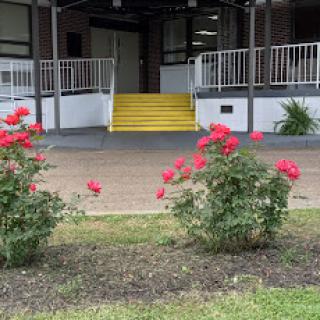
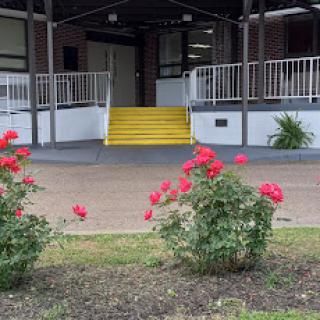
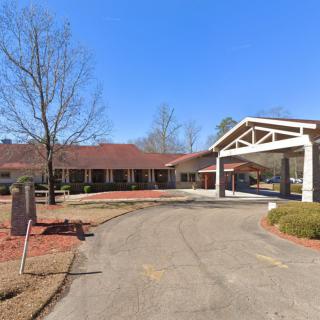
Perry County Nursing Center in Richton, Mississippi, is best suited for families seeking a warm, hands-on nursing environment where skilled nursing and rehab services are delivered with genuine attention to daily life. The community shines for residents who need post-acute therapy or long-term care and want a staff that treats them like family. Therapy services, physical, occupational, and speech, are a core strength, with a track record of helping residents regain strength and independence after injuries or surgeries. The atmosphere feels intimate rather than institutional, and staff members are described as professional, patient, and consistently courteous. Daily life is spiced with purposeful activities, movies with snacks, social events, and opportunities for residents to enjoy homemade treats, that contribute to better mood and engagement. For families prioritizing clear communication about medical decisions and a homey setting that supports dementia care, this center typically checks those boxes.
Those weighing alternatives should consider the facility’s fit against expectations for scale, amenities, and consistency. A smaller campus like this can excel in personal attention, but it may not satisfy a family seeking a larger campus with a broader range of specialty services, more extensive recreational venues, or higher staff-to-resident ratios. Additionally, while the majority of responses highlight strong experiences, a minority of reviews indicate dissatisfaction, usually around consistency of experience or pace of improvements. For families who require highly specialized clinical programs beyond standard skilled nursing, or who need an environment with continuous, noticeably high staffing levels during peak hours, exploring other communities could be prudent. The rating landscape (a solid 4.3 from 12 reviews, with some low marks) signals that expectations matter and should be aligned with what the facility can reliably deliver.
The strongest positives revolve around the staff’s warmth, professionalism, and willingness to explain complex medical decisions in clear terms. Families report nurses and CNAs who are not only capable but genuinely compassionate, often forming relationships that feel like extended family. Therapy services are consistently described as top-notch, with residents making measurable progress in mobility and function. The daily rhythm, well-prepared meals, hot and seasoned, paired with meaningful activities, also stands out, countering the stereotype of dull, routine care. In practical terms, these elements tend to offset the less glamorous realities of long-term care by delivering real gains in safety, independence, and overall quality of life. The combination of robust rehab and a nurturing, communicative staff creates a dependable platform for both short-term recovery and ongoing comfort.
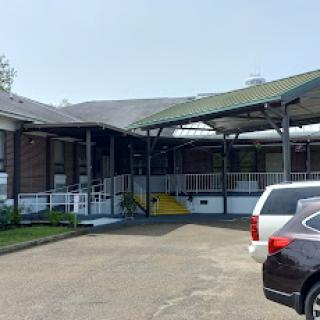
On the dementia and daily care front, the center earns confidence through patient, attentive handling of memory-related challenges. Staff are described as patient and gentle with residents who have Alzheimer’s or dementia, and caregivers who take time to engage residents in meaningful ways. The campus itself projects safety and cleanliness, a quiet and peaceful setting that supports rest and dignity. Families repeatedly learn that the environment is conducive to stable routines, which can be crucial for residents with cognitive needs. The social fabric of the place, where residents feel they are part of a larger, caring “family”, is not incidental; it underpins adherence to care plans and overall well-being. For families seeking a facility that balances clinical competence with human-centered care, these attributes deliver strong value.
In sum, Perry County Nursing Center represents a practical, well-rounded option for those who want solid rehab potential, dependable medical oversight, and a community anchored by kindness and daily purpose. It is especially compelling for post-acute rehab and long-term care where dementia-friendly, family-oriented care is a priority. Alternative options may make sense for families chasing a larger campus, more expansive amenities, or specialized services beyond standard skilled nursing. The recommended next steps are straightforward: schedule a tour, speak with the social worker about intake requirements, and verify current staffing patterns and service offerings against the family’s specific goals. With the right expectations, this community can translate strong clinical outcomes into a reassuring, home-like living experience.
 60 resident community capacity
 Skilled Nursing Facility
 Air-conditioning
 Beauty salon
 Cable or satellite TV
 Computer center
 Dining room
 Fitness room
 Fully furnished
 Gaming room
 Garden
 Housekeeping services
 Kitchenette
 Move-in coordination
 Outdoor space
 Private bathrooms
 Restaurant-style dining
 Small library
 Telephone
 Wellness center
 Wi-Fi/high-speed internet available
 Community operated transportation
 12-16 hour nursing
 24-hour call system
 Activities of daily living assistance
 Assistance with bathing
 Assistance with dressing
 Assistance with transfers
 Diabetes diet
 Medication management
 Mental wellness program
 Special dietary restrictions
 Concierge services
 Planned day trips

 Financing Long-Term Nursing Home Care Through Social Security: A Thorough Exploration
 Essential Knowledge on Pneumonia in Older Adults
 Exploring Palliative Care in the Home: A Comprehensive Overview