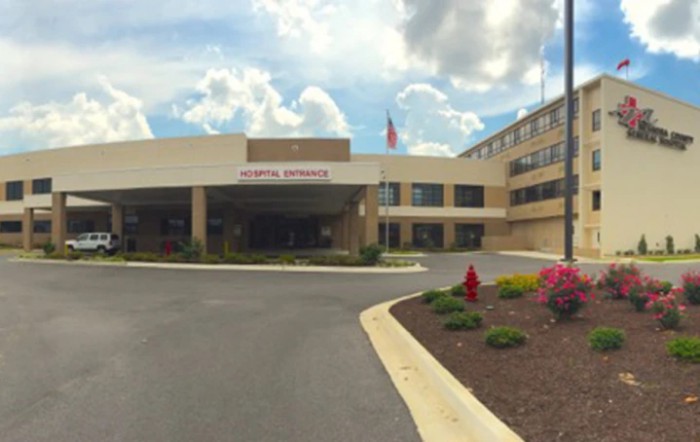
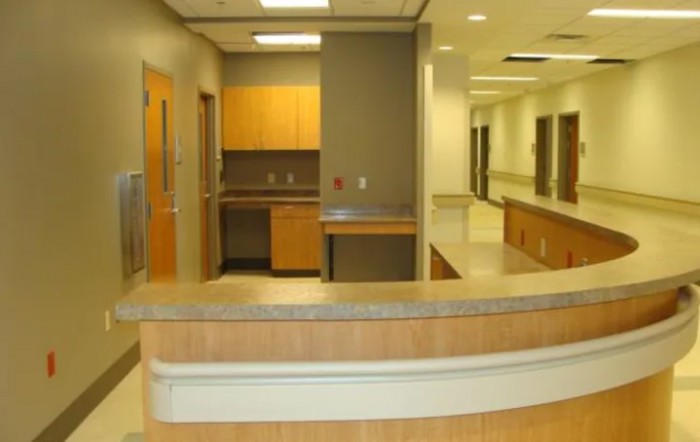
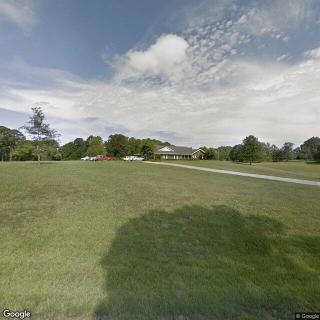
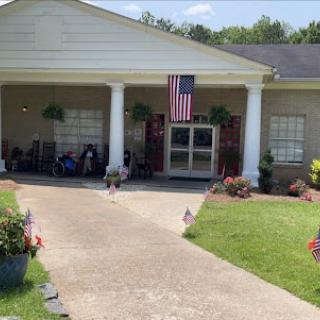
1001 Holland Avenue, Philadelphia, MS 39350
For more information about senior living options: (866) 208-4318
Overall Review of Neshoba County Nursing Home
Pros
 The CNAs were amazing.
- The nurses were nice and friendly.
- His brother's nurses take great care of him.
- He looked very good.
- The staff was very welcoming.
- He has a great new social worker now.
Cons
 The staff failed to inform the family about the fall for hours.
 - They claimed railings could not be installed due to state law, even with a signed waiver.
- Railings were restricted to patients having seizures only, a policy later contradicted by the patient’s diagnosis.
- Requests for additional tests were ignored.
- Nurses took four or more hours to respond to calls, if they responded at all.
- The staff were described as horrible, uncaring, and incompetent.
Review
Neshoba County Nursing Home is best suited for seniors who need basic, short-term care and for families who can act as active advocates. The facility can work when a resident requires routine daily support from frontline aides and when family members or guardians are prepared to press for timely communication, clear care plans, and responsive problem-solving. It is not a strong fit for residents who demand steady, highly proactive medical oversight, rigorous safety practices, or consistent, exemplary performance across the entire caregiving team.
Those who may want to consider alternatives include families prioritizing robust clinical coordination, rapid response to concerns, and watertight fall-prevention protocols. Several reviews point to gaps in timely communication and in following through on medical or safety needs. If a resident requires frequent medical decisions, quick adjustments to treatments, or a consistent medical presence to prevent deteriorations, other communities with stronger clinical leadership and higher staffing ratios would likely deliver more peace of mind.
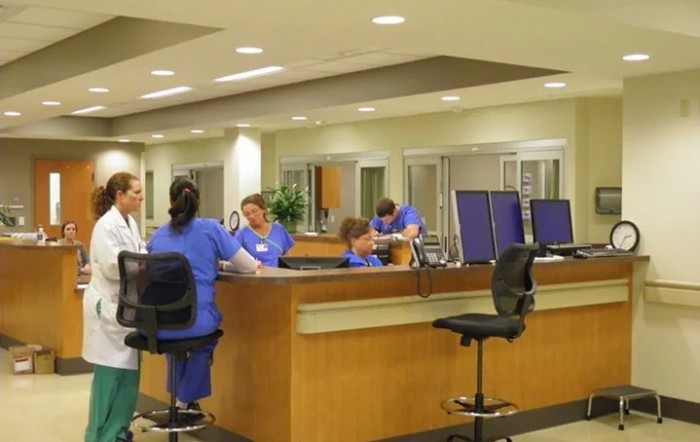
On the upside, the personnel who interact with residents day-to-day often shine where it matters most. The strongest praise centers on the CNAs, who are described as caring, capable, and genuinely engaged with residents. Some nurses are noted as friendly and attentive, and at least one social worker is singled out as a positive, ahead-of-the-curve resource for families and patients. A welcoming atmosphere in terms of personal interaction and visiting-hours management also comes through in several accounts, suggesting that residents can feel treated with warmth and courtesy when staff are available and attentive.
Yet the main drawbacks documented repeatedly overshadow these bright spots. The most alarming issues concern safety and communication lapses: a resident fell in the night with delayed notification to family, and bed-rail restrictions were justified by state policy rather than individualized safety considerations, leaving families uneasy about preventive measures. Meal management suffered at times, with textures and choices not aligned with medical or dietary needs for days, until family members pushed for changes. Response times to nurse calls and requests for tests or further assessment varied widely, and in some cases requests were said to fall on deaf ears. There are also strong undertones of inconsistency in care quality, with one review labeling the facility as “horrible” and another noting competence gaps without uniformity across shifts.
In weighing these factors, the pros can offset some everyday frustrations if the resident’s needs stay within a basic, custodial scope and if strong family advocacy is available. If the priority is reliable, compassionate frontline care and a generally friendly staff environment, Neshoba County Nursing Home can meet those expectations. However, the cons, especially safety risks, delayed communications after incidents, and uneven medical responsiveness, pose a significant drag on overall quality, particularly for longer stays or for residents with complex care needs. For families evaluating placement, this means a clear, practical decision: use this community with a proactive plan to monitor care, document concerns, and escalate promptly, while recognizing the likelihood of gaps that could impact health outcomes over time.
The bottom-line recommendation is decisive. For short-term rehabilitation or custodial care where a vigilant family can partner with a receptive, if sometimes imperfect, front-line team, the facility represents a workable option. For anyone seeking dependable medical oversight, rigorous safety culture, and consistently high-quality care across all shifts, exploring higher-performing alternatives is strongly advised. Before deciding, request a transparent care plan, confirm fall-prevention measures, verify bed-rail policies with a clinician, and arrange structured family updates to ensure issues are elevated and addressed in real time. This approach will determine whether Neshoba County Nursing Home can be a good fit or if another option better aligns with the resident’s health needs and family expectations.
 160 resident community capacity
 Skilled Nursing Facility
 Air-conditioning
 Beauty salon
 Cable or satellite TV
 Computer center
 Dining room
 Fitness room
 Fully furnished
 Gaming room
 Garden
 Housekeeping services
 Kitchenette
 Move-in coordination
 Outdoor space
 Private bathrooms
 Restaurant-style dining
 Small library
 Telephone
 Wellness center
 Wi-Fi/high-speed internet available
 Community operated transportation
 12-16 hour nursing
 24-hour call system
 Activities of daily living assistance
 Assistance with bathing
 Assistance with dressing
 Assistance with transfers
 Diabetes diet
 Medication management
 Mental wellness program
 Special dietary restrictions
 Concierge services
 Planned day trips


 Ten Vital Duties of a Senior Caregiver: A Comprehensive Guide
 9 Stimulating Memory Activities for Seniors: Puzzles, Cards, and Much More
 Managing Nursing Home Expenses After Medicare Coverage Ends