
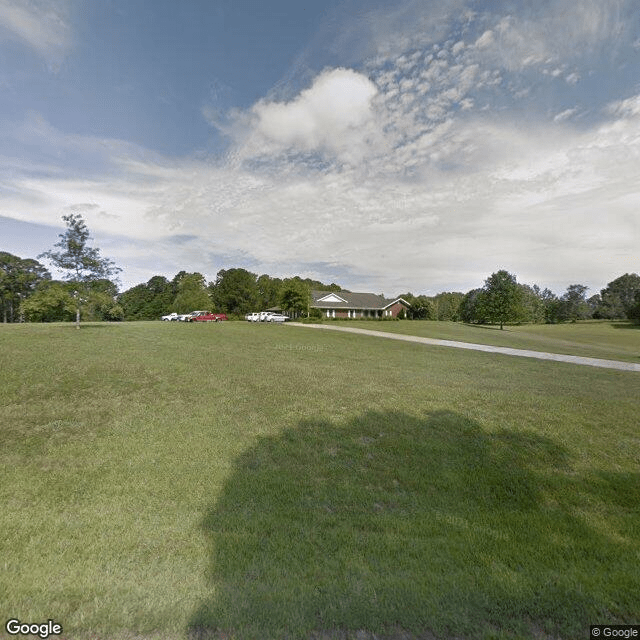
708 Columbus Ave, Philadelphia, MS 39350
To contact a resident: (601) 656-0220
For more information about senior living options: (866) 208-4318
Bee Hive Homes of Philadelphia Costs & Pricing
Bee Hive Homes of Philadelphia offers a competitive monthly rate for private rooms at $3,100, making it an attractive option for individuals seeking quality care in a supportive environment. When comparing this cost to Winston County and the broader state of Mississippi, where private room rates are higher - $4,016 in Winston County and $3,581 statewide - it's clear that Bee Hive Homes provides significant savings without compromising on care. This pricing strategy not only addresses the financial concerns of residents and their families but also positions the facility as a viable choice within the region's assisted living landscape.
| Floor plans | Bee Hive Homes of Philadelphia | Winston County | Mississippi |
|---|---|---|---|
| Private | $3,100 | $4,016 | $3,581 |
Senior living communities with a similar price nearby
-
from -$600 / mo
Atwood Personal Care Home- Noxapater
$2,500 / month24.0 miles away -
from -$550 / mo

Atwood Personal Care Home
$2,550 / month1.0 miles away
Overall Review of Bee Hive Homes of Philadelphia
Pros
 BeeHive Homes was described as really nice.
- The residents seemed content.
- There was a table with a jigsaw puzzle being worked on, giving the residents something to do.
- The residents were watching TV and talking to each other, indicating social engagement.
- The group appeared happier together.
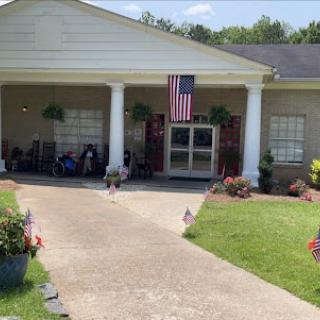
- They were seated together on the couches in the entrance, creating a welcoming atmosphere.
- They were eager to visit with visitors.
Cons
 None found.
Review
Bee Hive Homes of Philadelphia in Philadelphia, MS is best suited for seniors who prize a small, home-like setting where social connection and daily companionship form the backbone of everyday life. The feedback suggests a community that appeals to residents who enjoy being around others in a warmly informal atmosphere, rather than an institutional or highly clinical environment. For families seeking a place where neighbors and caregivers foster easy conversations, shared activities, and a lived-in sense of community, this option stands out as a practical, low-key choice.
Those evaluating alternatives should note who may want to look elsewhere. If the priority centers on robust medical oversight, memory-care specialization, or a clearly defined care continuum with detailed staffing metrics, this community may not be the best fit without additional verification. The available reviews provide little detail on levels of personal care, medication management, emergency responsiveness, or how care plans are tailored to individual needs. Prospective residents requiring consistent nursing support, complex daily assistance, or specialized dementia programming would be prudent to compare with facilities that publish transparent care data and measurable staffing ratios.
The primary strengths emerge in the observable social fabric and the sense of contentment among residents. Descriptions highlight a lively, engaged group gathered in common spaces, puzzle tables, TV time, and informal conversations, that create a tangible atmosphere of companionship and belonging. The entrance activity and the residentsā€™ openness to visitors signal a welcoming, resident-centered culture where social interaction is readily available. Those who value companionship, daily social engagement, and a homelike lounge atmosphere will likely experience meaningful quality-of-life gains that can be as important as formal care services for many seniors.
By contrast, the drawbacks are difficult to ignore given the sparse detail beyond warmth and sociability. The reviews reveal no explicit information about care staffing levels, consistency of caregiving, or the availability of professional medical oversight. Questions remain about meal programs, housekeeping standards, transportation options, safety protocols, and how memory-related or high-need tasks are handled. In short, the limited feedback leaves families needing a direct, in-person assessment to verify whether clinical needs can be met onsite or if supplemental home health services will be necessary to fill any gaps.
The key pros, strong social engagement, a welcoming communal vibe, and a compact, home-like environment, partially offset the main cons by delivering a daily quality of life rooted in connection. For residents who are relatively independent but enjoy regular social interaction and supervision in a non-institutional setting, these positives can translate into sustained happiness and preserving autonomy longer. The visible camaraderie and accessible activities reduce isolation and can lessen the burden of daily living tasks, making the option appealing to families seeking a humane alternative to larger, more impersonal campuses.
Ultimately, Bee Hive Homes of Philadelphia offers a practical, candid choice for families prioritizing social fulfillment and a homey atmosphere over expansive clinical programming. The decision hinges on risk tolerance for gaps in formal care data and the willingness to verify care capabilities through tours, staff introductions, and direct conversations about care plans. For those with clear needs beyond companionship, such as regular nursing care, memory-support services, or highly structured routines, consider exploring facilities that publish detailed staffing metrics and care certifications, or plan to supplement with external services. A thorough onsite visit remains essential to determine fit, and engaging in candid questions about meals, safety, programming variety, and transition support will yield the clearest path forward.
 Board and Care Home
 Private
 Ambulatory care
 Diabetic care
 High acuity care
 Incontinence care
 Medication management



 Senior Move Management: Understanding the Role, Value, and Associated Costs
 Weight Training for Seniors: Building Strength and Vitality
 Understanding the Sandwich Generation: Stress and Responsibilities for Multigenerational Caregivers