For more information about senior living options: (866) 208-4318
3.4 from 26 reviews
5 stars
14
4 stars
1
3 stars
1
2 stars
1
1 stars
9
Overall Review of Dixie White House Health And Rehabiliation Center
common12 reviews mention this
Staff care feels consistently responsive
Residents and families frequently describe staff as caring, pleasant, and responsive.
Many reviews praise staff for being attentive and kind, with residents and families saying team members checked in and responded to needs. Several reviewers describe feeling comfortable with the care process, including rehab and therapy visits. A few also highlight follow-through after updates—like keeping families informed over time.
common7 reviews mention this
Therapy support helps with recovery
Reviews repeatedly point to therapy staff as a key part of improvement.
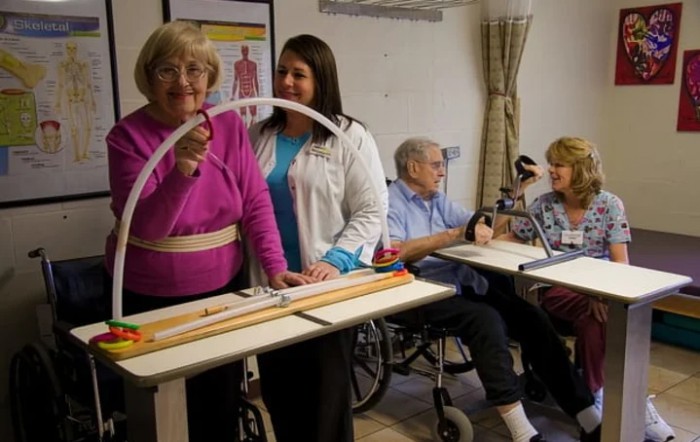
Physical therapy and related rehabilitation support come up often, with reviewers describing help getting stronger after injuries or surgeries. Some mention specific therapy moments that helped them regain mobility or make progress. Reviews also reference coordinated clinical support through the facility’s therapy and wound-care teams.
common3 reviews mention this
Food is often described as good
Several families and residents describe the meals positively.
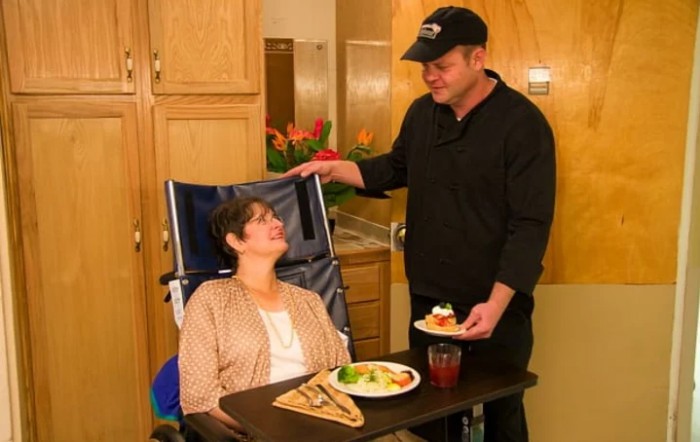
Food quality is a recurring bright spot, with reviewers saying the meals were enjoyable and home-style. One review also links nutrition to a resident gaining weight during their stay. Dining also aligns with the community offering restaurant-style dining and meal preparation in its service approach.
caveat9 reviews mention this
Care concerns include neglect and communication gaps
Some reviews raise serious concerns about patient care and responsiveness.
A group of reviews describe experiences they felt were unprofessional or inattentive, including needing to request basic care repeatedly. Others report communication problems, including difficulties reaching the facility by phone or confusion during follow-ups. Several of the negative reviews describe avoidable health setbacks, such as worsening conditions or complications, and say the facility did not adequately manage or respond afterward.
How we summarize
Counts show how many written reviews mention each theme; a review can touch several themes, and only frequently mentioned themes are displayed.
Features
Housing
60 resident community capacity
Types of Care
Skilled Nursing Facility
Amenities
Air-conditioning
Beauty salon
Cable or satellite TV
Computer center
Dining room
Fitness room
Fully furnished
Gaming room
Garden
Housekeeping services
Kitchenette
Move-in coordination
Outdoor space
Private bathrooms
Restaurant-style dining
Small library
Telephone
Wellness center
Wi-Fi/high-speed internet available
Transportation
Gulfport-Biloxi Regional (10 miles away)
Community operated transportation
Transportation arrangement
Transportation arrangement (non-medical)
Transportation to doctors appointments
Care Services
12-16 hour nursing
24-hour call system
24-hour supervision
Activities of daily living assistance
Assistance with bathing
Assistance with dressing
Assistance with transfers
Diabetes diet
Meal preparation and service
Medication management
Mental wellness program
Special dietary restrictions
Dining
Diabetes diet
Special dietary restrictions
Activities
Community-sponsored activities
Concierge services
Fitness programs
Planned day trips
Resident-run activities
Scheduled daily activities
Nearby Places of Interest
Restaurants
Papa John's Pizza (2.2 miles)
Long Beach Market & Deli (2.6 miles)
Bacchus On The Beach (2.7 miles)
Rusty Pelican (2.8 miles)
Sonic Drive-In (3.9 miles)
Waffle House (4.1 miles)
Long Beach Seafood (4.1 miles)
Physicians
Long Beach Walk In Clinic (2.2 miles)
Memorial Physician Clinics Long Beach Walk-in (2.3 miles)
Coast Eyecare (2.5 miles)
South Mississippi Urgentcare (3.7 miles)
Coast Cardiovascular Consultants (6.1 miles)
Gulfport Sleep Center (6.1 miles)
Dr Dilts Management (6.2 miles)
Pharmacies
Malley's Pharmacy (2.3 miles)
Long Beach Drugs (2.6 miles)
Walgreens (3.9 miles)
Winn-Dixie (4.1 miles)
Community, A Walgreens Pharmacy (6.3 miles)
Sartin's Discount Drugs (6.4 miles)
Pharmacy In The Bay (8.8 miles)
Hospitals
Memorial Hospital Auxiliary (6.3 miles)
Select Specialty Hospitals (6.3 miles)
Select Specialty Hospital (6.3 miles)
Ochsner Medical Center (8.5 miles)
Hancock Medical Physician Referral (8.6 miles)
Hancock Multi-Speciality Clinic (9.6 miles)
Memorial Diamondhead DGNSTC (10 miles)
Cafes
The Ugly Pirate (6.9 miles)
Mockingbird Cafe (7.1 miles)
Starbucks (9.7 miles)
Places of Worship
Saint Augustine Seminary (7.2 miles)
Calvary Chapel Relief (7.5 miles)
Lagniappe Presbyterian Church (8 miles)
Most Holy Trinity Catholic Church (8.6 miles)
Emmanuel Baptist Church (9.7 miles)
Transportation
Gulfport-Biloxi International Airport (GPT) (9.8 miles)
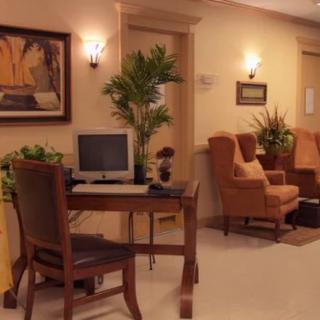
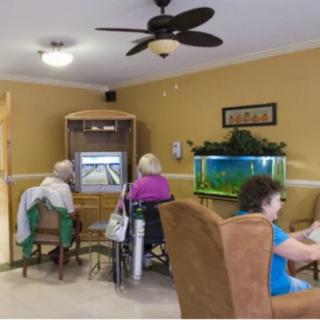
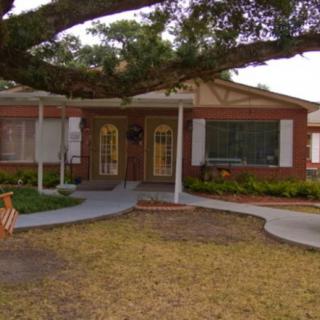
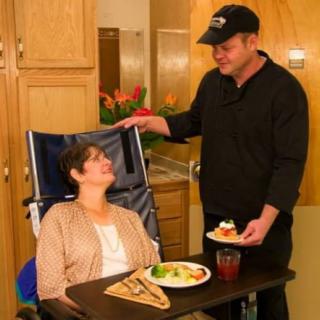
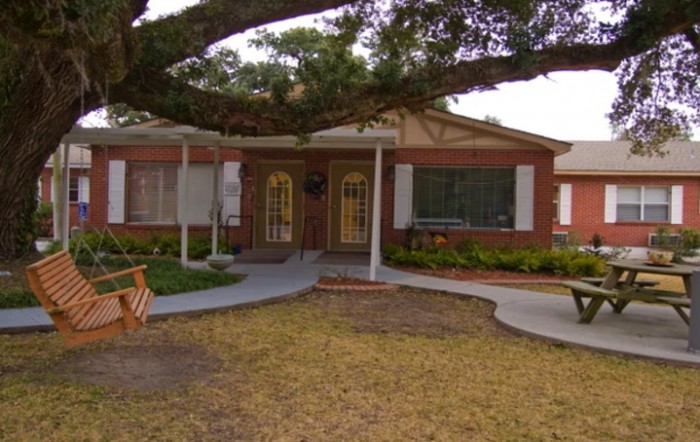
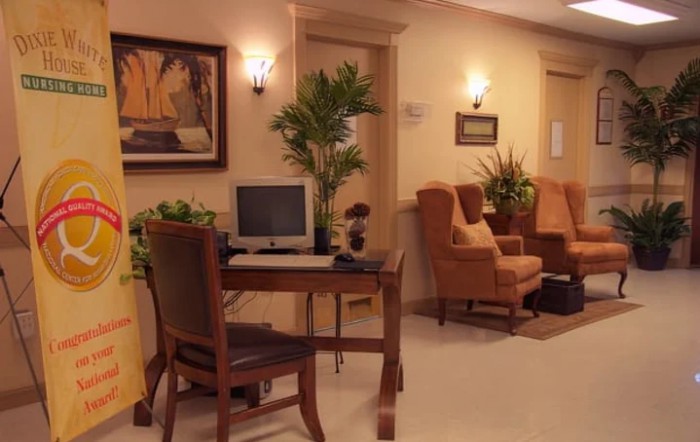
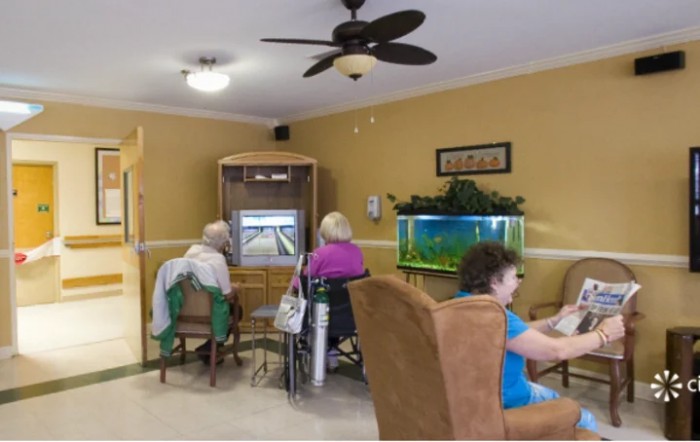
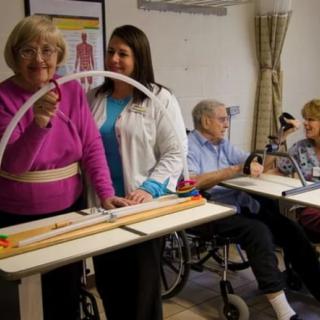
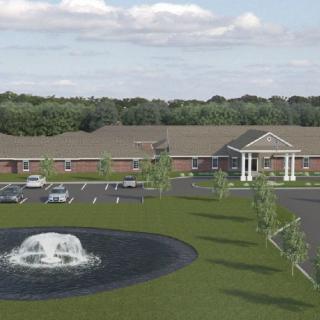
Dixie White House Health And Rehabiliation Center on seniors.fyi includes 5 photos including images showing nursing home, wheelchair, trees, television, landscaping, porch, rehabilitation, physical therapy, and more.
Nearby Communities
Dixie White House Nursing Home
Pass Christian, MS
3.4 from 30 reviews
Residents show improved well-being and strong staff trust.
South Mississippi Regional Ctr
Long Beach, MS
4.5 from 10 reviews
Specialized diabetic care with on-site activities and meals provided.
Miramar Lodge Nursing Home
Pass Christian, MS
3.4 from 26 reviews
Peaceful setting with easy access to nearby amenities and healthcare.
CaraVita's Twin Oaks at Pass C
Pass Christain, MS
3.9 from 42 reviews
Diabetic care plus on-site activities and meals.
Senior Oaks, LLC
Long Beach, MS
5 from 3 reviews
Specialized diabetic care with engaging activities and access to nearby medical services.
Dorcester West
Long Beach, MS
1.5 from 2 reviews
Specialized diabetic care with social and spiritual programming and convenient access to nearby pharmacies, physicians, restaurants, and hospitals.
Saraland Manor Retirement Apts
Gulfport, MS
3.8 from 40 reviews
Vibrant community with convenient access to dining, healthcare, transportation, and local services.
Summerfield Senior Living of Gulfport
Gulfport, MS
4.7 from 58 reviews
$1,990 to $3,975 / month
Friendly staff with a vibrant, well-maintained community and chef-prepared meals.
Century Oaks
Biloxi, MS
4.3 from 22 reviews
Peaceful 55+ community with security, well-kept landscaping, and strong neighbor camaraderie.
Older adults with urinary tract infections (UTIs) often present atypical symptoms, complicating diagnosis due to factors like incomplete bladder emptying and chronic health conditions that increase their susceptibility. Effective management involves prompt treatment with antibiotics, hydration, and preventive strategies while minimizing antibiotic resistance and focusing on holistic care approaches.
California's Form 602A is a vital tool for evaluating the health needs of seniors seeking residential care, detailing their medical conditions and daily living requirements to ensure proper service alignment. This standardized form enhances communication among physicians, families, and facilities, serving as a regulatory measure for admissions and ongoing care while adapting to changing healthcare practices.
The overview of blood pressure management for seniors emphasizes the importance of monitoring and interpreting blood pressure readings, noting that normal ranges can vary due to age-related factors and individual health conditions. It highlights tailored guidelines for systolic and diastolic levels, the necessity of early detection and consistent management to prevent serious health complications, and advocates for personalized care strategies that incorporate lifestyle changes and medication adherence.
Dixie White House Health And Rehabiliation Center photos
×
Interior
Living Room
Trees
Healthcare
Rehabilitation
Interior, Artwork, Lobby, and Computers
Living Room, Television, and Aquarium
Landscaping, Trees, Porch, and Brick
Healthcare, Caregiver, and Assistance
Rehabilitation and Physical Therapy
Wheelchair
Nursing Home
Get PricingAsk A QuestionSchedule A TourContact Senior Advisor
By clicking submit, you agree to our Partner's Terms of Use. You
also consent to receive calls and texts, which may be autodialed, from our Partner. Your consent is not a condition to
using our Partner's service. Please visit our Partner's Privacy Policy for information about their privacy practices.

 60 resident community capacity
 Skilled Nursing Facility
 Air-conditioning
 Beauty salon
 Cable or satellite TV
 Computer center
 Dining room
 Fitness room
 Fully furnished
 Gaming room
 Garden
 Housekeeping services
 Kitchenette
 Move-in coordination
 Outdoor space
 Private bathrooms
 Restaurant-style dining
 Small library
 Telephone
 Wellness center
 Wi-Fi/high-speed internet available
 Gulfport-Biloxi Regional (10 miles away)
 Community operated transportation
 12-16 hour nursing
 24-hour call system
 Activities of daily living assistance
 Assistance with bathing
 Assistance with dressing
 Assistance with transfers
 Diabetes diet
 Medication management
 Mental wellness program
 Special dietary restrictions
 Concierge services
 Planned day trips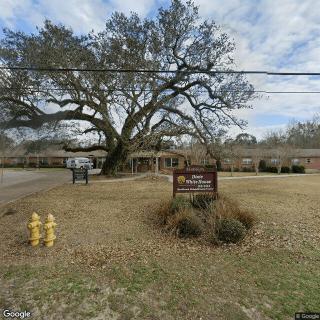
 Residents show improved well-being and strong staff trust.
 Urinary Tract Infections in Older Adults: Comprehensive Insights on Symptoms, Treatment, and Prevention
 California's Form 602A: An In-Depth Examination of Senior Care Assessment
 Comprehensive Look at Senior Blood Pressure Charts: Normal and Elevated Levels by Age