1410 West Quitman Street, Iuka, MS 38852
For more information about senior living options: (866) 208-4318
Overall Review of Tishomingo Comm Living Center
Pros
 The hospital food is described as the best the reviewer has ever had.
- The facility provides 24-hour concierge service, according to the reviewer.
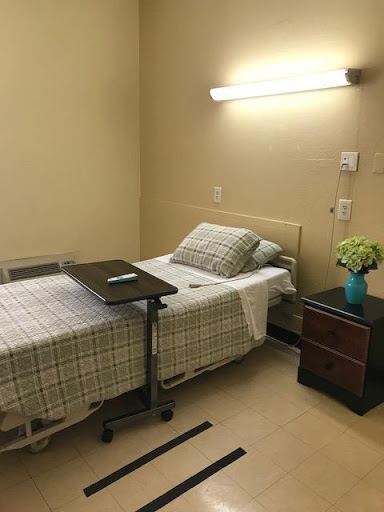
- The reviews note that rooms are cleaned regularly.
- The facility is described as good, comfortable, with good staff, and a good place to live.
- The reviewer expresses affection for the place, stating that they love it.
Cons
 They didn’t give her meds correctly and decided she didn’t need what she was taking.
- When there was a behavioral problem, they shipped her to the behavioral place in Booneville.
- They continued giving her meds after the behavioral doctor stopped.
- They kept her sedated, claiming the family wanted her in bed, which wasn’t true.
- There were major issues that were hard to comprehend.
- They should do better and stop just collecting a check—this is people’s lives.
- They left him with a urinal on a dresser out of reach and did not check on him for two hours.
- The nurse at the desk was asleep, and no one checked on him during the visit.
- They treat the patients without care and neglect patients.
- They provide very poor treatment; do not put a loved one here.
- The facility is one of the worst, with widespread negligence and uneducated nurses.
- A relative was rushed to the ER due to negligence here and almost died.
- They do not recommend this facility to anyone unless seeking a quick death.
Review
This community is best suited for seniors who need help with daily living tasks and want an unmistakably affordable option where family oversight can stand in for steady medical supervision. It may work for residents who can tolerate variable attention from staff and who are prepared to advocate, question, and monitor care closely. It is not a safe default for anyone with significant medical needs, complex medication schedules, or behavioral health concerns that require consistent, professional management. In sum, the value proposition rests on cost and basic daily living support rather than reliable clinical oversight.
Those evaluating options should explicitly consider alternatives if a loved one requires dependable medication management, continuous nursing eyes-on-care, or cohesive behavioral-health handling. If a resident has a history of needing precise drug administration, rapid response to changing health conditions, or needs structured behavioral support, this facility should raise red flags. Families should also be wary if a review history shows repeated concerns about neglect or understaffing, since those patterns predict ongoing risk rather than a one-off lapse. For anyone seeking transparency, accountability, and demonstrable safety, other communities deserve priority.
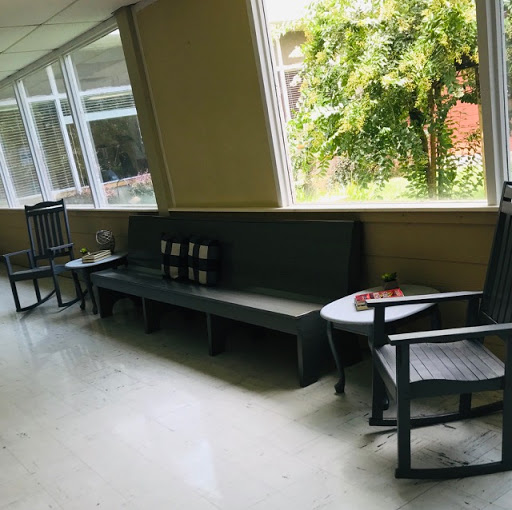
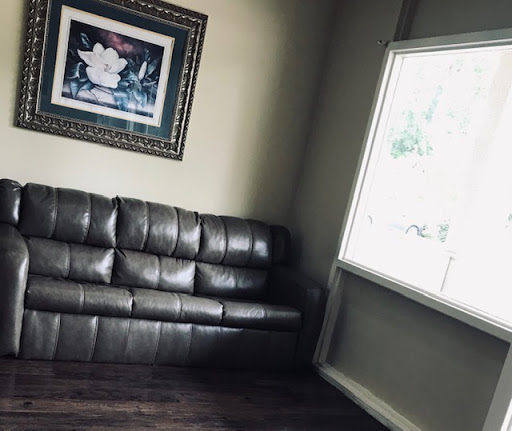
On the upside, there are mentions of clean rooms, timely meals, and a 24-hour concierge presence, plus some staff who are described as friendly and capable. The surface-level amenities, regular cleaning, decent food, and accessible staff at times, can provide a modest, day-to-day comfort. Those positives, however, are overshadowed by repeated, serious allegations about care failures that translate into real harm: improper medication administration, behavioral-placement decisions that aren’t aligned with resident interests, and periods of neglect where a patient is left unattended or inadequately supervised. In practical terms, the calm, comfortable veneer does not reliably translate into patient safety or consistent quality of care.
The critical question becomes whether the apparent conveniences can justify the risk. When reviews describe sedating residents or removing families from meaningful involvement in treatment decisions, the apparent pros fail to offset the core liabilities. A trusted care setting must deliver timely response, accurate med handling, and proactive monitoring, areas where the consensus from several accounts here points to serious deficiencies. For families prioritizing safety and dependable clinical oversight, the balance clearly tips toward warning rather than reassurance. The best-fit decision is to treat these positives as incidental rather than compensatory.
For families weighing next steps, a practical plan is essential. Insist on a transparent tour and ask for direct conversations with current residents’ families about day-to-day care. Request the facility’s latest staffing ratios, medication administration procedures, and incident logs; verify whether a licensed nurse is on site around the clock and how behavioral issues are managed. Check state survey records and any citation history, and consider speaking with a local elder-care ombudsman for independent insights. See how the staff respond to questions about safety, and observe whether residents are checked on regularly during a visit at different times of day.
In the end, this community calls for cautious judgment. It is a choice that might appeal on price and basic comfort, but the risk of medication errors, neglect, and inadequate supervision weighs heavily against it for anyone with real medical or behavioral needs. For those with flexibility in budget and a willingness to engage actively in oversight, it may be worth a preliminary look as a contender, but only after comprehensive verification of safety practices and a clear plan to ensure consistent, high-quality care. More reliable options exist, and those pursuing peace of mind should prioritize facilities with verifiable staffing, rigorous medication protocols, and demonstrable track records of protecting residents’ health.
 73 resident community capacity
 Skilled Nursing Facility
 Air-conditioning
 Beauty salon
 Cable or satellite TV
 Computer center
 Dining room
 Fitness room
 Fully furnished
 Gaming room
 Garden
 Housekeeping services
 Kitchenette
 Move-in coordination
 Outdoor space
 Private bathrooms
 Restaurant-style dining
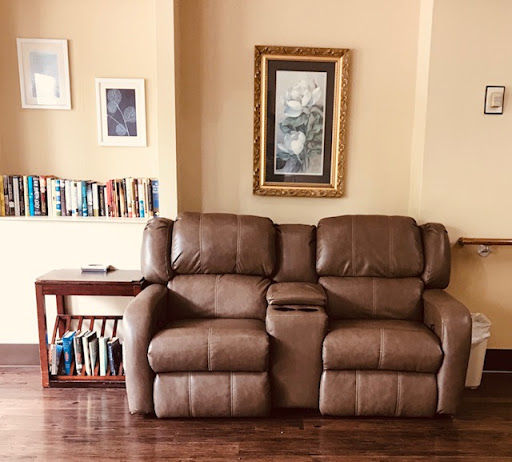
 Small library
 Telephone
 Wellness center
 Wi-Fi/high-speed internet available
 Community operated transportation
 12-16 hour nursing
 24-hour call system
 Activities of daily living assistance
 Assistance with bathing
 Assistance with dressing
 Assistance with transfers
 Diabetes diet
 Medication management
 Mental wellness program
 Special dietary restrictions
 Concierge services
 Planned day trips







 Understanding the Sandwich Generation: Stress and Responsibilities for Multigenerational Caregivers
 8 Essential Assistive Devices for Older Adults
 Navigating the Financial Road to Nursing Home Care: In-Depth Guidance and Resources