
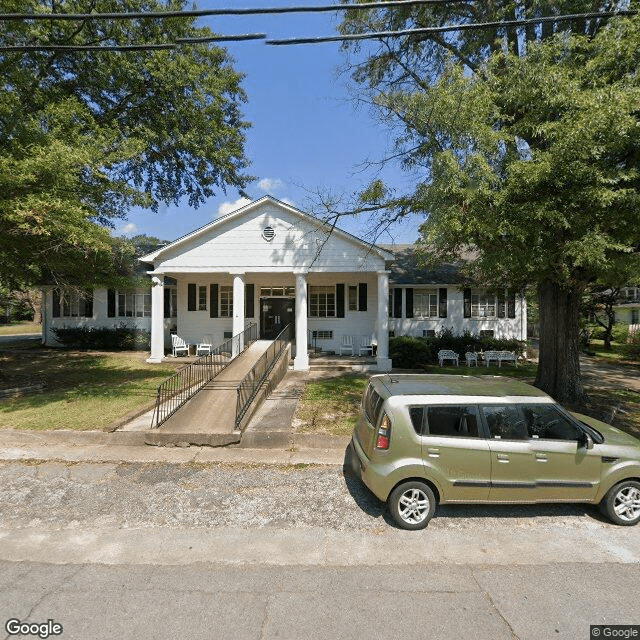
2101 East Proper Street, Corinth, MS 38834
To contact a resident: (662) 286-3331
For more information about senior living options: (866) 208-4318
Overall Review of Whitfield Nursing Home
Pros
 It was a different level of care.
- The building has been revamped.
- It seemed like the best place for what they are doing.
Cons
 It was described as a straight-up convalescent home.
- The facility was an older building, even though revamped.
- The aisles were pretty narrow, making it not ideal.
- The staff did not seem to notice the interactions in the common area.
Review
Whitfield Nursing Home in Corinth, Mississippi, is best suited for families seeking skilled nursing care with a clear emphasis on short-term rehabilitation and convalescent recovery. The facility presents as a post-acute option, structured therapy, 24-hour medical oversight, and a clinical care trajectory rather than a place for independent living or long-term memory-care engagement. For families hoping for an option that doubles as a social, long-term residence with extensive lifestyle programming, this community is unlikely to check every box. The setting should be evaluated primarily through the lens of rehabilitation needs and medical stability, not as a lifestyle-forward senior living choice.
Those who may want to consider alternatives include families prioritizing robust social programming, apartment-style living, or memory-care features with specialized safety design. If the goal is sustained daily interaction, vibrant resident life, or a broader spectrum of activities beyond therapy and recovery, other local options will likely deliver more of what matters. In addition, residents who require generous physical space, wide hallways, and layout features optimized for mobility and wandering safeguards may find Whitfield’s design less accommodating. For long-term comfort or independence, the alternatives are likely to be a better match.
On the positive side, the facility appears to deliver on its stated mission by supporting convalescent needs through organized medical oversight and therapy. The building has been revamped from an older footprint, which improves safety and usability compared with truly aged interiors. This combination, clinical accountability paired with refreshed infrastructure, creates a credible recovery environment where therapists coordinate closely with nursing staff to advance functional goals. For families navigating post-hospital transitions, these elements offer a practical, efficient path to regain independence.
However, clear drawbacks temper the appeal. The aisles and overall floor plan feel narrow, introducing accessibility friction for walkers, wheelchairs, or equipment transfers. This can translate into practical challenges during daily routines, therapy sessions, and even routine movement within the facility. Social engagement appears not to be a standout feature; common areas exist but do not strongly foster resident interaction or a sense of community. For residents who rely on meaningful social connection as part of their recovery or who expect more than clinical oversight, these gaps can feel limiting.
The strength of Whitfield’s model, structured, purpose-built post-acute care, offsets some of the layout and social limitations when the primary objective is rehabilitation with reliable medical supervision. A renovated space supports safer, more predictable care delivery, and the focus on therapy, with staff who can coordinate progress, offers a clear advantage for short-term recovery trajectories. The key question is whether a loved one’s goals align with a recovery-centric environment that prioritizes medical outcomes over social life and long-term residence. When that alignment exists, Whitfield can be a sensible, even prudent, choice.
Ultimately, the decision hinges on the resident’s recovery path and mobility needs. If the priority is a dedicated rehab track within a refreshed, safety-conscious facility, Whitfield presents a credible option with tangible advantages. If the priority leans toward active social engagement, ongoing daily living independence, or specialized memory-care support, alternatives deserve serious consideration. Prospective families should demand a detailed tour focused on therapy options, staff-to-resident ratios, dining quality, and building navigation during peak hours; observe therapy pacing and the availability of aides in high-demand times. The best-fit outcome balances competent convalescent care with realistic expectations about social life and ease of movement within the environment.
 44 resident community capacity
 Skilled Nursing Facility
 Beauty salon
 Cable or satellite TV
 Dining room
 Fully furnished
 Garden
 Housekeeping services
 Kitchenette
 Move-in coordination
 Outdoor space
 Restaurant-style dining
 Small library
 Telephone
 Wi-Fi/high-speed internet available
 24-hour call system
 Activities of daily living assistance
 Assistance with bathing
 Assistance with dressing
 Assistance with transfers
 Diabetes diet
 Medication management
 Mental wellness program
 Special dietary restrictions





 Caring for Those Who Care: Recognizing, Understanding, and Overcoming Caregiver Burnout
 Caregiver Exhaustion: Recognizing the Signs and Restoring Your Well-Being
 Understanding Hospice Care at Home: Comprehensive Services, Key Benefits, and Eligibility