267 Front St, Golden, MS 38847
To contact a resident: (662) 454-0544
For more information about senior living options: (866) 208-4318
Southern Magnolia Golden Costs & Pricing
Southern Magnolia Golden offers competitive pricing for its studio accommodations at $2,565 per month, which is notably lower than the average cost in Tishomingo County at $2,688 and significantly more affordable than the statewide average of $3,151 in Mississippi. This pricing strategy positions Southern Magnolia Golden as an attractive option for those seeking quality housing without sacrificing financial stability. By aligning closely with local market rates while remaining below both county and state averages, Southern Magnolia Golden demonstrates a commitment to providing accessible living arrangements that cater to the needs of its residents.
| Floor plans | Southern Magnolia Golden | Tishomingo County | Mississippi |
|---|---|---|---|
| Studio | $2,565 | $2,688 | $3,151 |
Overall Review of Southern Magnolia Golden
Pros
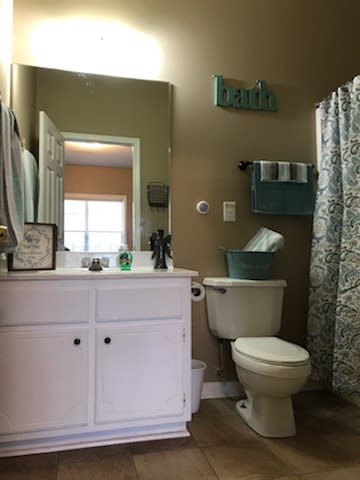
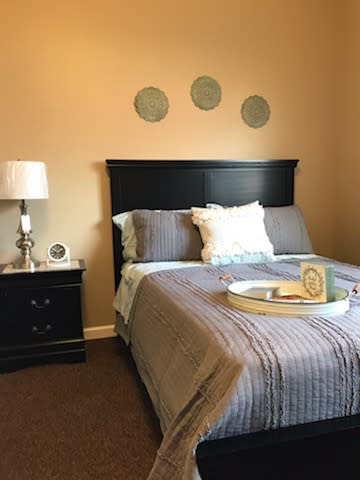
 It is absolutely beautiful and quiet, with friendly people and a great atmosphere.
- The staff’s warmth and caring from the top manager down is evident.
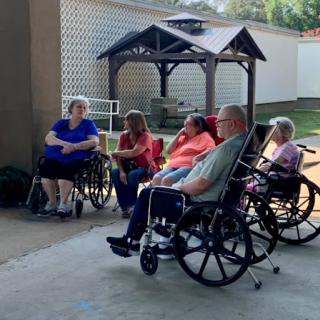
- The staff work with clients on craft projects, and everyone laughs and enjoys their time together.
- The cooks do a wonderful job preparing and serving delicious and nutritious meals.
- The staff are caring and concerned about the clients living there.
- It is a good value for the services provided daily.
- The facility provides social contacts and professional care, making it feel like one big loving family.
- The experience with Golden Magnolia is wonderful, with staff that are sweet, caring, and kind.
- The administration, kitchen staff, cleaning staff, and therapists are all great.
- The staff communication with families is outstanding, and the director is thorough and hands-on.
Cons
 One reviewer notes that, although the community was good, their loved one was a bit combative, making it hard to find a facility willing to accept her.
- Another reviewer cautions to beware of a staff member who dislikes her job and discusses clients' bedside routines on Facebook, calling it not okay at all.
Review
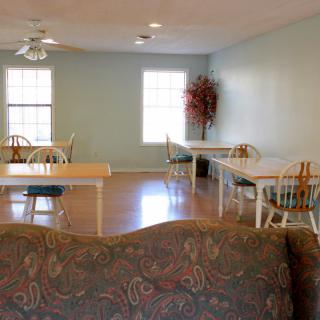
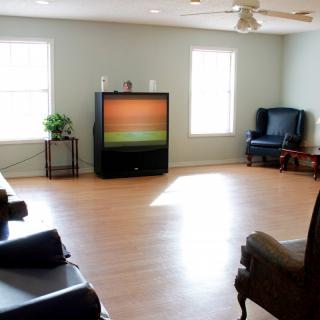
Southern Magnolia Golden is best suited for families seeking an intimate, home-like setting where friendship, dependable daily routines, and a genuinely warm care culture anchor life for residents. The small campus, roughly 30 residents, creates a quiet, pleasant atmosphere that feels more like a close-knit neighborhood than a campus. Families consistently encounter staff who radiate warmth, from the top managers on down, and residents benefit from meaningful interactions during crafts, group activities, and shared meals. The cooking is regularly praised for flavor and nutrition, and the overall vibe combines comfort with a sense of daily purpose, making it a strong match for seniors who value belonging, personal attention, and predictable structure.
Alternatives to consider arise most clearly for residents with higher medical acuity or behavioral challenges that demand larger teams, more formal memory-care programming, or greater on-site medical resources. If a loved one requires extensive clinical oversight, a broad continuum of specialized care, or a campus with the scale to support a wider array of therapeutic services, a bigger facility may be a better fit. A few reviews hint at situations where a resident’s needs exceeded what a small operation can consistently accommodate, and one instance notes a staff member who appeared disengaged. While such moments are not representative of the overall culture, they flag real differences in care style and capacity that families should weigh against the tight-knit charm of Southern Magnolia Golden.
What makes the positives resonate is the practical alignment between staff devotion, family communication, and everyday resident life. Families consistently report hands-on leadership and proactive communication from management, with updates that help them stay connected to a loved one’s routine and progress. The caregiving team is described as professional yet warm, delivering meds, supervising hygiene, and supporting daily activities with genuine attentiveness. The small size enables quicker recognition of individual preferences and needs, which translates into flexible dining options, meals brought to rooms when desired, and a broad slate of activities that keep residents engaged without overwhelming them. This combination offsets the potential risk of feeling anonymous in a larger facility.
The residential culture itself is a standout advantage. Residents benefit from nutritious, well-prepared meals, opportunities to participate in crafts and social events, and a sense that staff members know their names, histories, and routines. Family members learn to rely on consistent touchpoints with administrators, kitchen staff, and therapy teams. The atmosphere supports improved mental health through social contact and routine, and the community’s “one big family” feel appears to foster emotional well-being alongside physical care. Proximity to home and the convenience of nearby amenities further bolster the sense of belonging, encouraging regular visits and sustained involvement in a loved one’s daily life.
Of course, no care setting is without its caveats, and the few criticisms are worth noting in decision-making. A single staff member’s negative online footprint is a reminder that any workplace can experience morale dips; yet the consistent praise for leadership and frontline caregivers suggests a culture that addresses concerns openly and quickly. A logistical hiccup, such as getting a cable connection repaired, points to the reality that even well-run homes engage with imperfect infrastructure. More substantive concerns, like a resident whose combative behavior required placement elsewhere, reflect the need for careful behavioral and medical alignment before choosing a setting. Taken together, these drawbacks are far from systemic, and they are largely outweighed by the facility’s strengths when the decision hinges on warmth, daily reliability, and family-friendly communication.
In the end, Southern Magnolia Golden stands out for families prioritizing a warm, engaged, small-community experience with strong staff relationships, solid meals, and meaningful daily activities. It is an excellent choice for seniors who do not require large-scale medical intensity but still want dependable care, social connection, and responsive, hands-on administration. Those who need advanced memory-care programming, extensive clinical resources, or a sprawling, resort-like campus may want to compare options with higher medical staffing and broader therapy offerings. Prospective families should visit to observe interactions firsthand, meet the director, review sample menus, and assess how well the daily rhythm and staff dynamics align with their loved one’s needs and personality.
 Assisted Living
 Memory Care
 Cats allowed
 Dogs allowed
 Activities on-site
 Beautician on-site
 Devotional services on-site
 Indoor common areas
 Outdoor common areas
 Ambulatory care
 Diabetic care
 Incontinence care
 Medication management
 Kosher






 Dementia-Related Hallucinations: Causes, Experiences, and Practical Approaches
 Illuminating Insights About Alzheimer's Disease: Ten Crucial Realities
 A Thorough Discussion of Medications Potentially Linked to Dementia Risk