
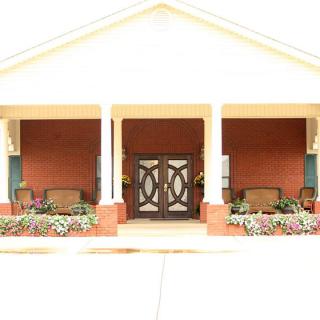
907 East Walker Street/Po Box 69, Fulton, MS 38843
For more information about senior living options: (866) 208-4318
Overall Review of Courtyards Comm Living Center
Pros
 The staff clearly care about residents.
- The rehab and physical therapy make the resident feel comfortable and cared for.
- They take really great care of Ms. Shirley Curtis.
- She can’t wait to go back to visit.
Cons
 They were extremely saddened by the visit.
- The smell of urine and feces was tremendous.
- The smell lingered on their clothes even after they left.
- They didn’t personally have a good experience with Courtyards in Fulton nursing/short term rehab center.
- Within three days, their Dad was severely dehydrated and his sugar was almost 500.
- He was lethargic, with his eyes rolling back in his head, pupils dilated, and mumbling during their FaceTime call.
- This was the worst retirement place their father had ever been to.
- He had to go to the bathroom and they came two hours later.
- He sat on a bed covered in urine for two hours while the staff were slow to help.
Review
Courtyards Community Living Center in Fulton, MS is best suited for seniors who are prioritizing short-term rehabilitation and genuine, hands-on caregiving, and who can tolerate inconsistent cleanliness and slower-than-desired response times. The strongest positives come from residents and families who value a caring, attentive staff and active rehab services. For those who need near-flawless sanitation, rapid assistance at every call, or stringent medical oversight, this community presents enough risk signals to warrant caution. In short, it can work when rehab progress and real human warmth are the aim, but it does not reliably check every box a risk-averse family expects.
Alternatives should be seriously considered for residents who demand consistently clean environments, prompt response to calls, and tight safety protocols. The combination of odor complaints, delayed assistance with basic needs, and incidents suggesting gaps in medical monitoring makes this facility less attractive for those managing fragile health, incontinence, or diabetes. Families with a high emphasis on infection control, bathroom accessibility, and rapid, reliable staff intervention may find stronger peace of mind elsewhere. For long-term placement where daily quality of life hinges on cleanliness and consistently swift help, other options deserve comparison.
The most compelling pros center on the personal qualities of the caregiving staff and the rehab focus. Several accounts highlight staff who appear genuinely invested in residents’ well-being, and a positive rehab experience can emerge when physical therapy and daily care are prioritized. In those moments, residents feel seen, comfortable, and engaged, with caregivers who reinforce a sense of dignity and progress. When those strengths align with a resident’s goals, gaining strength, improving mobility, retaining independence, the program can deliver meaningful benefits that offset some logistical or environment-related downsides.
Yet the cons carry substantial weight. Persistent sanitation concerns, strong odors and scenes of unsanitary conditions, create an environment that undermines comfort and overall wellbeing. Delays in basic assistance, such as timely bathroom help, have been repeatedly cited, with one case illustrating hours-long waits that left a resident in soiled conditions. There are alarming health episodes that point to gaps in monitoring and response, including a dehydration incident accompanied by severe hyperglycemia that required urgent hospital care. Taken together, these issues erode trust in daily safety and raise questions about consistency of care across shifts and staff rosters.
Operationally, the facility shows a mix of strengths and vulnerabilities. When care teams are cohesive and engaged, residents benefit from attentive bedside care and active rehab. Conversely, frequent reports of incomplete care tasks, open electronic medical records in public view, and lapses in timely support signal systemic pressures that can compromise day-to-day safety. Families should probe staffing patterns, cadence of rounds, and accountability measures with leadership. Observing care during mealtimes, bathing routines, and physical therapy sessions can reveal whether the promised level of hands-on attention is sustainable over longer stays.
For families weighing options, a focused due-diligence plan is essential. Schedule multiple visits at different times to assess responsiveness, cleanliness, and staff interactions with residents who require help with mobility or toileting. Request to review incident and corrective-action logs, room cleanliness audits, and staff-to-resident ratios. Ask about the facility’s process for rapidly escalating medical concerns, diabetes management protocols, and hydration monitoring. Engage current residents and families in candid conversations about how often calls are answered, how often care tasks are completed timely, and whether improvements have been made after past issues.
Bottom line: Courtyards Community Living Center can serve as a viable choice for seniors seeking rehab-forward care with empathetic staff, provided the risks surrounding cleanliness and timely assistance are acceptable. For risk-averse families or those managing complex medical needs, alternatives with stronger cleanliness records, faster response times, and proven safety oversight are worth prioritizing. In practical terms, this community is most justifiable where rehab progress and resident warmth are non-negotiable goals, and where ongoing reviews and direct leadership engagement can sustain improvements in care delivery.
 66 resident community capacity
 Skilled Nursing Facility
 Air-conditioning
 Beauty salon
 Cable or satellite TV
 Computer center
 Dining room
 Fitness room
 Fully furnished
 Gaming room
 Garden
 Housekeeping services
 Kitchenette
 Move-in coordination
 Outdoor space
 Private bathrooms
 Restaurant-style dining
 Small library
 Telephone
 Wellness center
 Wi-Fi/high-speed internet available
 Tupelo Municipal (21 miles away)
 Community operated transportation
 12-16 hour nursing
 24-hour call system
 Activities of daily living assistance
 Assistance with bathing
 Assistance with dressing
 Assistance with transfers
 Diabetes diet
 Medication management
 Mental wellness program
 Special dietary restrictions
 Concierge services
 Planned day trips







 Effective Strategies for Keeping Seniors' Minds Active: A Deep Dive into Brain Games and Apps
 In-Depth Look at the VA Aid and Attendance Program
 Nurturing Our Loved Ones: A Daughter's Journey in Caring for Her Mother