For more information about senior living options: (866) 208-4318
3.7 from 38 reviews
5 stars
20
4 stars
4
3 stars
4
2 stars
1
1 stars
9
The Estates At Greeley Costs & Pricing
The Estates At Greeley offers competitive pricing for private room accommodations at $4,050 per month, which is significantly lower than the average costs in both Washington County and the state of Minnesota. In Washington County, the monthly cost for similar housing stands at approximately $4,952, while the statewide average reaches around $5,090. This positioning not only makes The Estates At Greeley an attractive option for individuals seeking quality care without compromising on amenities but also reflects a commitment to affordability within the region's long-term care landscape.
Floor plans
The Estates At Greeley
Washington County
Minnesota
Private
$4,050
$4,952
$5,090
Skilled Nursing Facilities with a similar price nearby
Residents and families repeatedly describe staff as caring and attentive.
Many reviewers say the staff made their loved ones feel supported, comfortable, and respected. Several mention consistent encouragement from nurses, CNAs, and the therapy team, along with communication that made visits easier. A few reviewers also contrast the care positively even when they described other problems with the building or day-to-day logistics.
caveat6 reviews mention this
Call lights and therapy concerns
Some families report slow responses and inconsistent follow-through on care needs.
Several negative reviews describe call buttons not being answered promptly and residents left waiting for help with toileting. Others raise concerns tied to therapy and care coordination, including a case where recommended therapy was not completed and medications were reportedly wrong more than once. A recurring complaint also involves delayed or limited bathing frequency and inadequate communication after a health issue was noticed.
caveat8 reviews mention this
Facility feels run-down and dated
Multiple reviewers describe the building as old, run-down, or overly depressing.
Reviews frequently mention an older facility, rundown hallways, and clutter that can make the space feel depressing. Some also describe hygiene or cleanliness problems such as dirty floors for multiple days. A smaller number of comments acknowledge the building’s limits while still emphasizing that the staff’s care helped offset those issues.
caveat5 reviews mention this
Meals are a mixed experience
Dining reviews swing between praise and complaints about temperature and taste.
Some reviewers say meals were good, including comments about consistent meals and delicious food. Others describe food as cold or consistently unappealing, and at least one review frames dining as the main drawback compared with therapy and other services. Even in positive experiences, food is the most common point that gets questioned rather than staffing or activities.
How we summarize
Counts show how many written reviews mention each theme; a review can touch several themes, and only frequently mentioned themes are displayed.
Features
Housing
74 resident community capacity
Types of Care
Skilled Nursing Facility
Amenities
Air-conditioning
Beauty salon
Cable or satellite TV
Computer center
Dining room
Fitness room
Fully furnished
Gaming room
Garden
Housekeeping services
Kitchenette
Move-in coordination
Outdoor space
Private
Private bathrooms
Restaurant-style dining
Small library
Telephone
Wellness center
Wi-Fi/high-speed internet available
Transportation
Minneapolis-St Paul International (23 miles away)
Community operated transportation
Transportation arrangement
Transportation arrangement (non-medical)
Transportation to doctors appointments
Care Services
12-16 hour nursing
24-hour call system
24-hour supervision
Activities of daily living assistance
Assistance with bathing
Assistance with dressing
Assistance with transfers
Diabetes diet
Meal preparation and service
Medication management
Mental wellness program
Special dietary restrictions
Dining
Diabetes diet
Special dietary restrictions
Activities
Community-sponsored activities
Concierge services
Fitness programs
Planned day trips
Resident-run activities
Scheduled daily activities
Videos
Nearby Places of Interest
Located in beautiful Stillwater, Minnesota, this area offers a variety of amenities for seniors looking for a vibrant community to call home. With a range of dining options such as Nelson's Ice Cream and P D Pappy's, residents can enjoy delicious meals close to home. Nearby hospitals like Stillwater Health System provide peace of mind knowing quality medical care is just minutes away. For those seeking spiritual fulfillment, St Paul Lutheran Church is conveniently located within walking distance. Additionally, parks like Teddy Bear Park offer the perfect setting for leisurely strolls and outdoor activities. With pharmacies like Walgreens and grocery stores like Cub Pharmacy nearby, everyday errands are convenient and accessible. Whether you're looking to catch a movie at St Croix Hilltop Drive-In or relax with a cup of coffee at Dock Cafe, this neighborhood has something for everyone to enjoy in their retirement years.
Restaurants
Nelson's Ice Cream (0.3 miles)
P D Pappy's (0.6 miles)
Mad Capper Saloon & Eatery (0.7 miles)
Charlie's Irish Pub (0.7 miles)
Freight House (0.7 miles)
Oasis Cafe (1 miles)
Lift Bridge Brewing Company (1.4 miles)
Hospitals
Stillwater Good Samaritan Center (0.5 miles)
Stillwater Health System (0.7 miles)
Hudson Hospital (7.7 miles)
Rejuvenate Medi-Spa (8.3 miles)
Hudson Hospital & Clinic (8.3 miles)
Hudson Hospital (8.3 miles)
Physicians Neck and Back Clinic of Western Wisconsin (8.7 miles)
Parks
Summer Tuesdays (0.7 miles)
Teddy Bear Park (0.7 miles)
Benson Park (1.1 miles)
Jenson Memorial Park (5 miles)
Square Lake Park (6.7 miles)
Castle Park (7.3 miles)
Willow River State Park (7.4 miles)
Places of Worship
St Paul Lutheran Church (0.7 miles)
Eagle Brook Church - Woodbury Campus (8.9 miles)
Physicians
Stillwater Medical Group (0.7 miles)
Bluestone Physician Services (0.8 miles)
St Croix Orthopaedics (1.3 miles)
Dakota Eye Care Associates (1.4 miles)
Assocted Eye Physcans Surgeons (1.4 miles)
St Croix Orthopaedics PA (1.5 miles)
Persing James S MD Psychiatric Consultants of Western Wisconsin (4.9 miles)
The Estates At Greeley offers competitive pricing for private room accommodations at $4,050 per month, which is significantly lower than the average costs in both Washington County and the state of Minnesota. In Washington County, the monthly cost for similar housing stands at approximately $4,952, while the statewide average reaches around $5,090. This positioning not only makes The Estates At Greeley an attractive option for individuals seeking quality care without compromising on amenities but also reflects a commitment to affordability within the region's long-term care landscape.
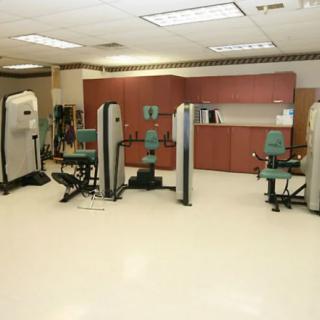
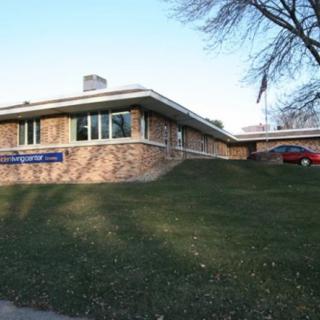
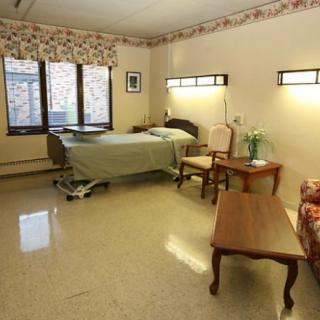
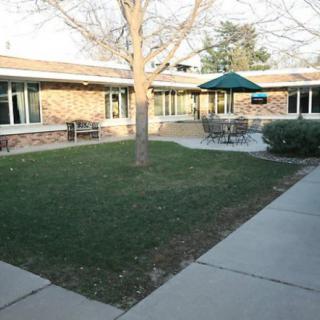
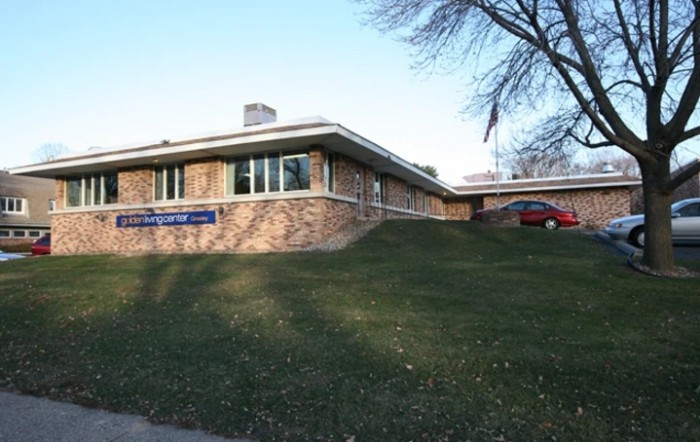
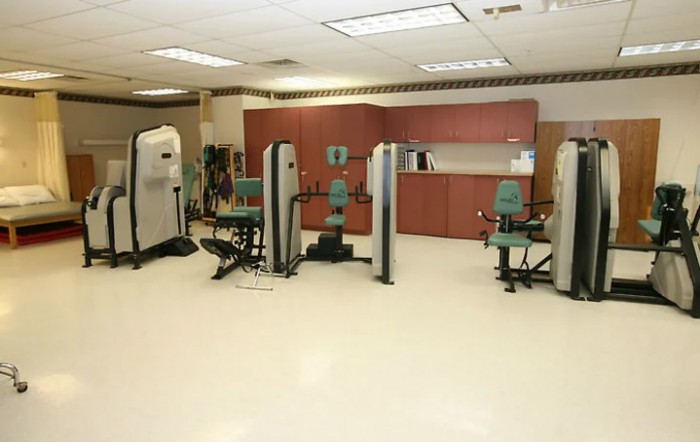
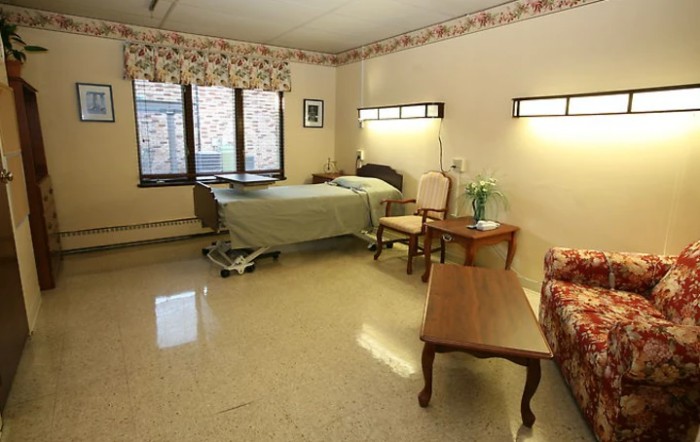
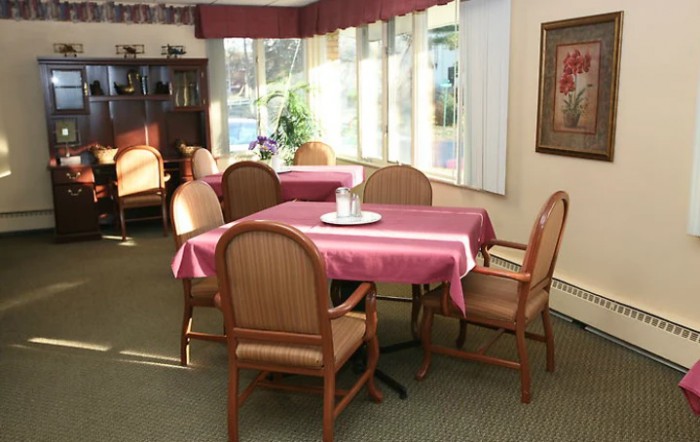
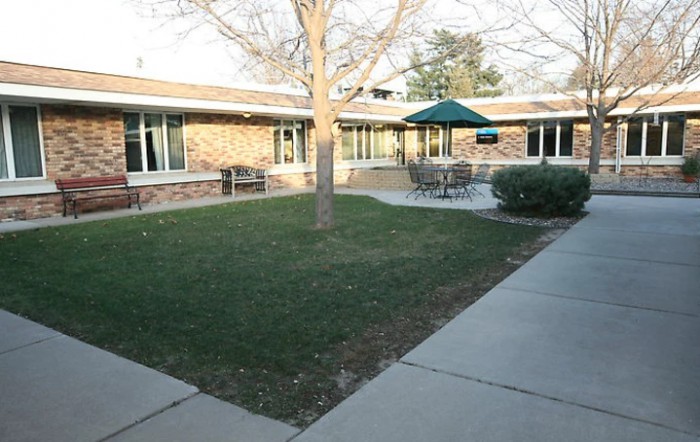
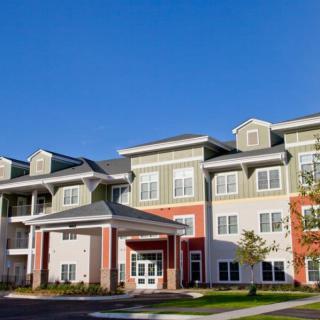
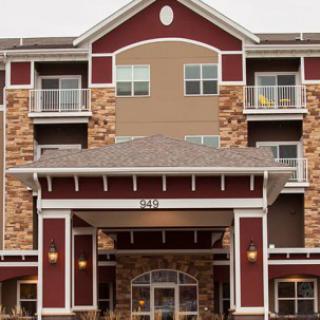
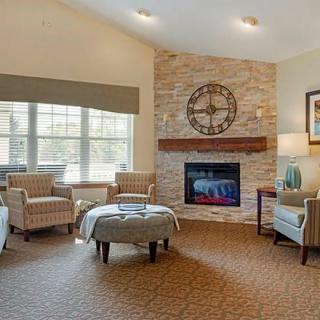
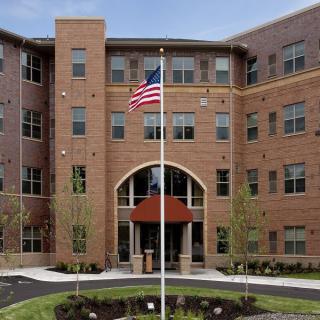
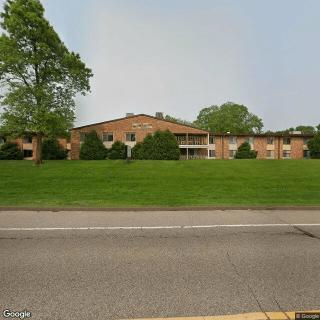
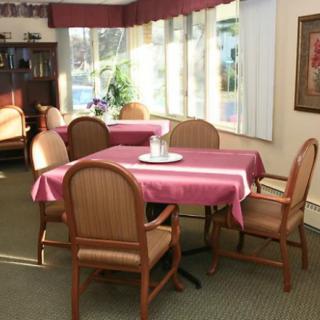
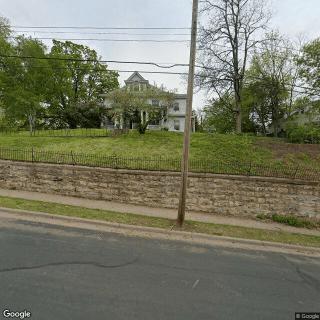
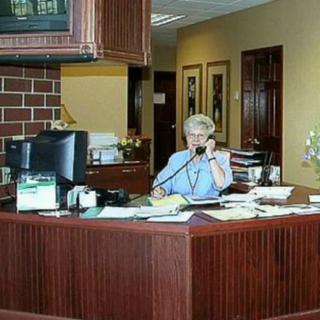
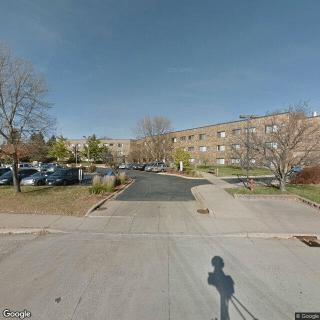
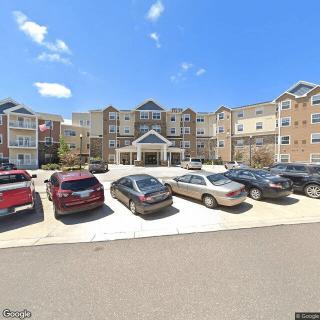
The Estates At Greeley on seniors.fyi includes 6 photos including images showing interior, building, windows, patio, outdoor seating, tree, landscaping, architecture, and more.
Nearby Communities
Home Instead Senior Care II
Stillwater, MN
4.9 from 12 reviews
24-hour supervision with comprehensive care and robust social/meal programs in a furnished setting.
Home Instead Senior Care
Stillwater, MN
4.9 from 14 reviews
Nearby amenities (dining, parks, healthcare, pharmacies, worship, and theater) support an enriched senior lifestyle.
The Estates At Linden
Stillwater, MN
3.4 from 30 reviews
Robust amenities and services (salon, dining, fitness, transportation, library, activities) that support independence.
Stillwater Residence
Stillwater, MN
5 from 2 reviews
Extensive nearby amenities and healthcare access
Good Samaritan Society - Stillwater
Stillwater, MN
3.2 from 34 reviews
Caring staff and clean, spacious rooms with good meals.
Lakeview Homecare
Stillwater, MN
5 from 9 reviews
24-hour supervision with comprehensive care and fully furnished accommodations.
Boutwells Landing
Oak Park Heights, MN
4 from 49 reviews
$970 to $2,165 / month
Caring staff, wide amenities, and engaging activities.
East Shore Place Apartments
Mahtomedi, MN
5 from 1 review
Vibrant community with convenient access to healthcare, dining, parks, and nearby amenities.
Linda's caregiving journey for her elderly mother, Joan, is marked by deep love and challenges as she navigates health changes, emotional support, and practical arrangements while learning to prioritize self-care and utilize community resources. Their evolving relationship highlights resilience and the universal themes of empathy and preparedness in caregiver experiences.
The article clarifies common misconceptions about Powers of Attorney (POA), highlighting the necessity of the principal's consent, the limitations on an agent's authority, and the importance of mental capacity when signing. It also distinguishes between various types of POAs, addresses concerns about potential abuse, and emphasizes the need for legal consultation to ensure valid and up-to-date documents.
Landscaping, Patio, Outdoor Seating, Tree, and Courtyard
Windows
Building
Architecture, Trees, Grass, and Brick
Exercise Equipment and Gym
Get PricingAsk A QuestionSchedule A TourContact Senior Advisor
By clicking submit, you agree to our Partner's Terms of Use. You
also consent to receive calls and texts, which may be autodialed, from our Partner. Your consent is not a condition to
using our Partner's service. Please visit our Partner's Privacy Policy for information about their privacy practices.

 74 resident community capacity
 Skilled Nursing Facility
 Air-conditioning
 Beauty salon
 Cable or satellite TV
 Computer center
 Dining room
 Fitness room
 Fully furnished
 Gaming room
 Garden
 Housekeeping services
 Kitchenette
 Move-in coordination
 Outdoor space
 Private
 Private bathrooms
 Restaurant-style dining
 Small library
 Telephone
 Wellness center
 Wi-Fi/high-speed internet available
 Minneapolis-St Paul International (23 miles away)
 Community operated transportation
 12-16 hour nursing
 24-hour call system
 Activities of daily living assistance
 Assistance with bathing
 Assistance with dressing
 Assistance with transfers
 Diabetes diet
 Medication management
 Mental wellness program
 Special dietary restrictions
 Concierge services
 Planned day trips
 24-hour supervision with comprehensive care and robust social/meal programs in a furnished setting.
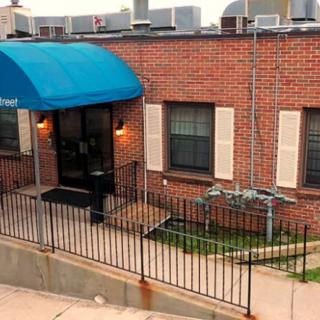

 Nurturing Our Loved Ones: A Daughter's Journey in Caring for Her Mother
 Nurturing Our Elders: Linda's Journey of Supporting Her Mother
 A Comprehensive Exploration of Common Misunderstandings about Powers of Attorney