
305 South Greeley Street, Stillwater, MN 55082
For more information about senior living options: (866) 208-4318
Overall Review of Home Instead Senior Care II
Pros
 Senior Helpers were outstanding to work with when a father needed in-home care prior to transitioning to assisted living.
- They reminded him to take medications, ran errands, helped with light housework, and kept him company.
- The father enjoyed the companionship of the helpers.
- Patrick, the owner of Senior Helpers, is kind and professional.
- There was outstanding communication during the time they utilized the helpers, and scheduling was flexible.
- The staff were courteous, responsible, and very helpful to the father.
- The service enabled the father to stay in his home by tending to his needs.
- The care after surgery was efficient, safe, and considerate.
- The health aides were respectful, kind, and had good senses of humor.
- The services were easy to work with and adjustable to changing needs.
Review
Home Instead Senior Care II is best suited for seniors who want to stay in their own home while receiving reliable, person-centered in-home support. This community-like service model shines for those who need help with reminders for medications, light housekeeping, running errands, and consistent companionship. In Stillwater, families seeking a practical, home-based approach to daily care will find the strongest appeal in the combination of practical assistance and personal connection that these services routinely provide, enabling independence without sacrificing daily safety net support.
Those who may want to consider alternatives are clear: if the situation requires 24/7 on-site supervision, ongoing skilled nursing, or a highly structured living environment with social programming and built-in security, an assisted living or memory-care community may be more appropriate. In-home care excels at enabling a loved one to remain at home, but it does not substitute for the comprehensive, around-the-clock framework some families eventually prioritize. For families facing complex medical needs or a rapid escalation in care requirements, exploring facility-based options early can prevent gaps in coverage.
The most persuasive strengths of in-home care, and the ones consistently echoed in these reviews, center on staff quality and communication. Caregivers are described as compassionate, patient, and respectful, with a genuine focus on individual needs. The relationship with the owner or coordinating team is highlighted as a major asset: proactive planning, clear expectations, and timely communication give families confidence when needs shift. Flexibility in matching caregivers to evolving schedules further strengthens the value, turning potential logistical headaches into manageable, predictable routines.
This robustness of service offsets the main trade-off of in-home care: it relies on a pool of caregivers rather than a fixed on-site team. The reviews repeatedly emphasize dependable scheduling, responsive problem-solving, and consistent caregiver fit, which lessen the anxiety around daily care and enable smoother transitions as conditions change. The ability to tailor care plans, adjust visits, and accommodate urgent needs without forcing a move to a different setting is a compelling advantage that often makes staying at home preferable when possible.
From a decision-making standpoint, the practical takeaways are clear. Pros, strong caregiver performance, meaningful companionship, medication reminders, errands, light chores, and a partnery, responsive coordination team, often decisively outweigh the lack of a centralized facility environment. The caveats are straightforward: families should assess whether medical oversight needs exceed what in-home care can provide, and should confirm access to reliable back-up coverage and a transparent pricing structure. The evidence suggests Home Instead Senior Care II is most effective when care targets are daily living support rather than intensive medical management.
In weighing the choice, families prioritizing independence, continuity, and intimate, home-based routines will find Home Instead Senior Care II to be a practical, proven fit. The strongest decision signals point toward this option when the overarching goal is to preserve familiar surroundings and daily rhythms with dependable, empathetic caregivers and a responsive coordinator. If the need is for a more structured living environment, broader social programming, or higher medical intensity, alternatives such as assisted living or dedicated memory-care settings should be on the table early in the planning process.
 21 resident community capacity
 Assisted Living
 Beauty salon
 Cable or satellite TV
 Dining room
 Fully furnished
 Garden
 Housekeeping services
 Kitchenette
 Move-in coordination
 Outdoor space
 Restaurant-style dining
 Small library
 Telephone
 Wi-Fi/high-speed internet available
 Minneapolis-St Paul International (23 miles away)
 24-hour call system
 Activities of daily living assistance
 Assistance with bathing
 Assistance with dressing
 Assistance with transfers
 Diabetes diet
 Medication management
 Mental wellness program
 Special dietary restrictions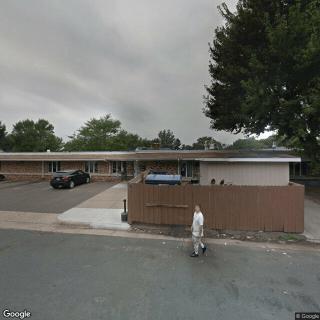






 Exploring the Path to Senior Living: A Comprehensive Look at Independent Living and Assisted Living
 Is Assisted Living Deductible on Your Taxes? Understanding the Complexities of Assisted Living Expenses and Deductions
 Assisted Living Support for Veterans: A Complete and Detailed Overview