For more information about senior living options: (866) 208-4318
3.7 from 29 reviews
5 stars
17
4 stars
3
3 stars
0
2 stars
0
1 stars
9
Overall Review of Good Samaritan Society - Maplewood
differentiator7 reviews mention this
Rehab and skilled nursing focus
Residents describe rehab and skilled nursing care during transitions and after surgery.
Several reviews focus on short-term rehab and transitional stays, including care after falls, fractures, and surgeries. People mention physical or therapy support and describe feeling supported through recovery. The listing is set up as a skilled nursing facility, aligning with the rehab-centered way families talk about the stay.
common15 reviews mention this
Staff kindness and responsiveness
Many residents and families praise staff as caring, friendly, and helpful.
A large share of reviews say staff treated their loved ones with respect and provided kind, compassionate help. People also describe good teamwork, readiness to help, and staff who were attentive to comfort and needs. At the same time, a minority of reviews report serious breakdowns in daily care, including problems responding to call needs and concerns about neglect.
common7 reviews mention this
Meals quality: often good, sometimes cold
Dining gets mixed feedback, with many praising food quality and others reporting cold meals.
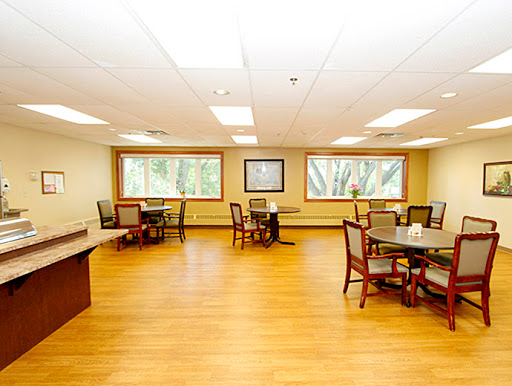
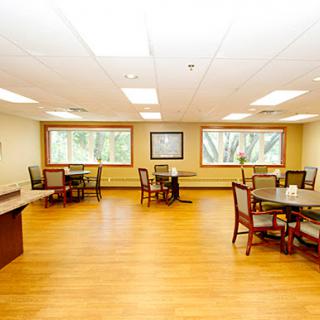
Some residents and families say meals were hot and enjoyable, and a few reviews specifically mention good menus and dining room service. Others describe food as cold and unpleasant, particularly when meals are delivered to rooms. The community offers restaurant-style dining and supports special dietary restrictions, which matches why some reviews talk about diet needs alongside the overall dining experience.
caveat6 reviews mention this
Concerns about daily care and safety
Some reviews raise serious concerns about daily care and safety.
A set of reviews describe neglect-like problems such as residents being left in soiled conditions and delayed help when call systems are used. Others mention frequent falls at night and families not being informed promptly after incidents. There are also reports of missing hygiene care during extended stays, as well as complaints about staff following through with basic responsibilities.
common2 reviews mention this
Activities and outings
Residents mention community activities like church, bingo, and outings.
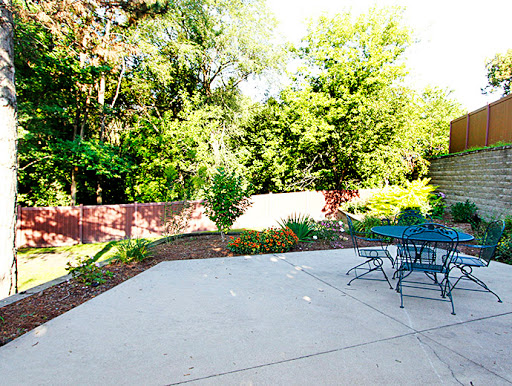
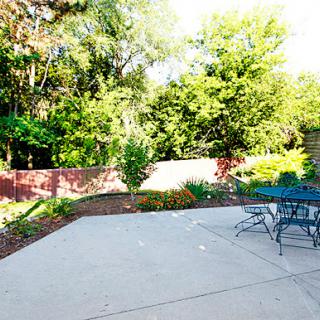
A couple of reviews point to scheduled activities such as bingo and church services, plus time outdoors on a patio. Another review mentions staff being ready to take residents on outings, matching the listingā€™s focus on community-sponsored programming and transportation coordination.
How we summarize
Counts show how many written reviews mention each theme; a review can touch several themes, and only frequently mentioned themes are displayed.
Features
Housing
71 resident community capacity
Types of Care
Skilled Nursing Facility
Amenities
Air-conditioning
Beauty salon
Cable or satellite TV
Computer center
Dining room
Fitness room
Fully furnished
Gaming room
Garden
Housekeeping services
Kitchenette
Move-in coordination
Outdoor space
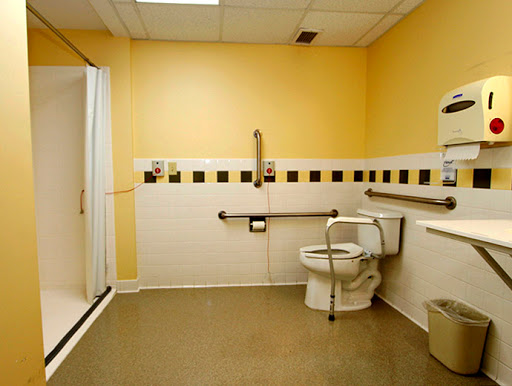
Private bathrooms
Restaurant-style dining
Small library
Telephone
Wellness center
Wi-Fi/high-speed internet available
Transportation
Minneapolis-St Paul International (11 miles away)
Community operated transportation
Transportation arrangement
Transportation arrangement (non-medical)
Transportation to doctors appointments
Care Services
12-16 hour nursing
24-hour call system
24-hour supervision
Activities of daily living assistance
Assistance with bathing
Assistance with dressing
Assistance with transfers
Diabetes diet
Meal preparation and service
Medication management
Mental wellness program
Special dietary restrictions
Dining
Diabetes diet
Special dietary restrictions
Activities
Community-sponsored activities
Concierge services
Fitness programs
Planned day trips
Resident-run activities
Scheduled daily activities
Nearby Places of Interest
Places of Worship
St Jerome Elementary School (0.3 miles)
Cathedral of St Paul (3.9 miles)
Shepherd of the Hills Lutheran Church (5 miles)
Transfiguration Catholic Church (5 miles)
St George Greek Orthodox Church (5.2 miles)
St Mary of the Lake Church (6.7 miles)
Restaurants
Karen Thai food (0.7 miles)
McCarron's Pub and Grill (1.4 miles)
McDonald's (1.5 miles)
White Castle (2.6 miles)
McDonald's (2.7 miles)
Chili's Grill & Bar (3.3 miles)
Taco John's (3.3 miles)
Parks
Flicek Park (1.2 miles)
Harvest Park (2.2 miles)
Acorn Park (2.6 miles)
Hazelwood Park (2.9 miles)
Owasso Park (3 miles)
Legacy Pines Park (3.3 miles)
Casey Lake Park (3.5 miles)
Physicians
Retina Center (1.7 miles)
HealthPartners Clinic (1.9 miles)
Healthpartners Clinics (2.6 miles)
Page Graydon T MD (3 miles)
Jacobs Carol RN (3.1 miles)
Northern Lights Pediatric & Adolescent Medicine (3.7 miles)
West Side Community Health Services (4.7 miles)
Pharmacies
Walgreens (2 miles)
CVS Pharmacy (2.1 miles)
CVS Pharmacy (2.6 miles)
Walgreens (3.4 miles)
Walgreens (3.6 miles)
Walgreens (4.1 miles)
Walgreens (4.7 miles)
Hospitals
St John's Hospital-Maplewood (3 miles)
Regions Hospital Burn Center (3.1 miles)
St Joseph's Hospital-St Paul (3.6 miles)
United Hospital Joint Relacement Center (4.2 miles)
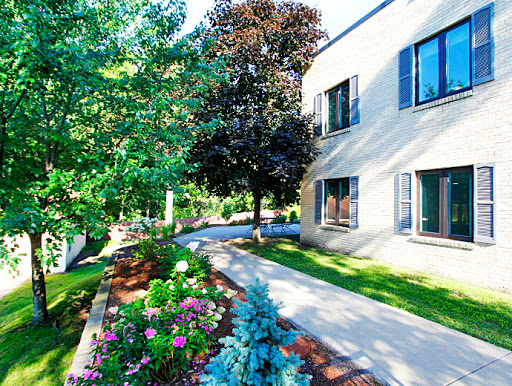
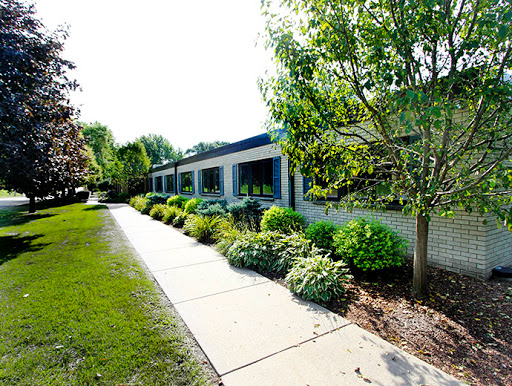
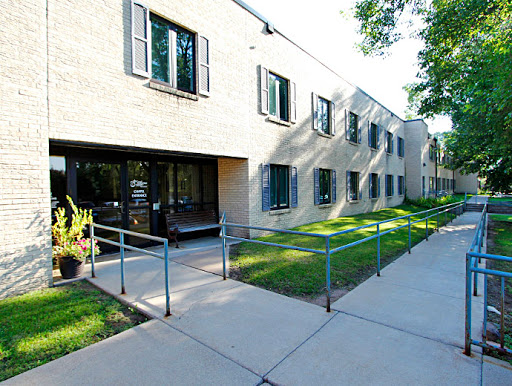
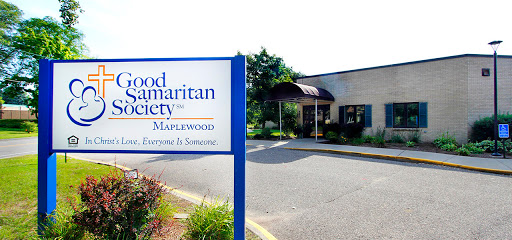
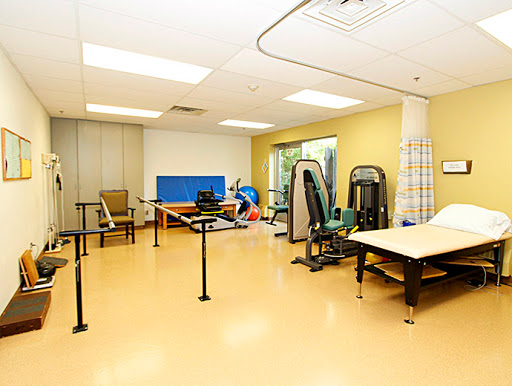
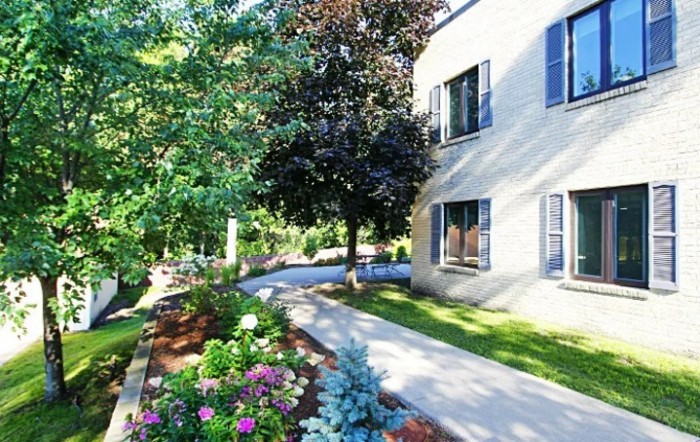
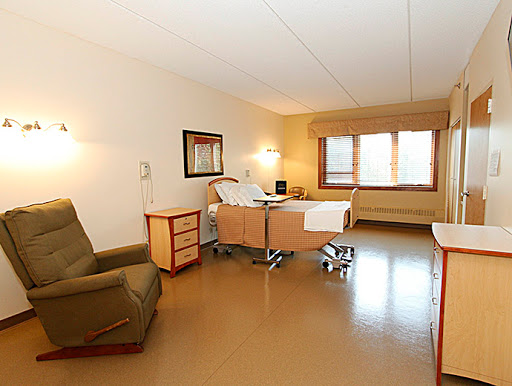
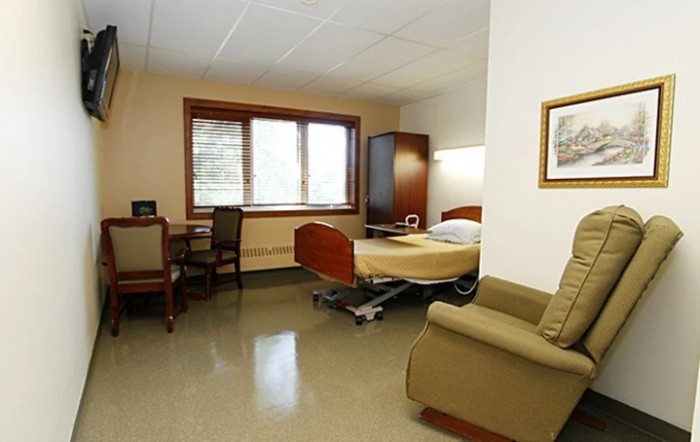
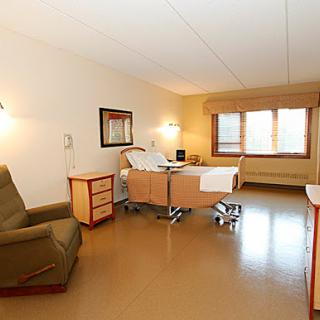
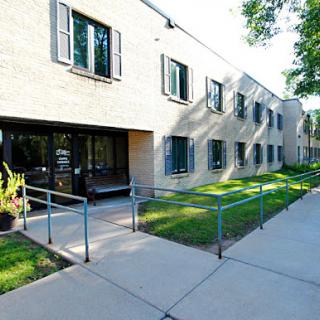
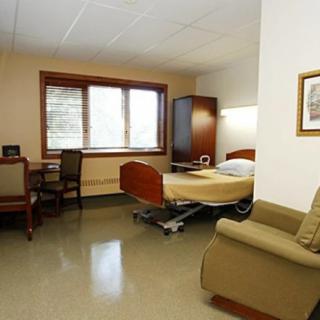
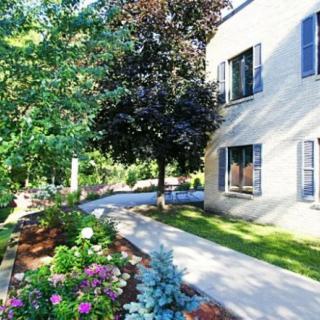
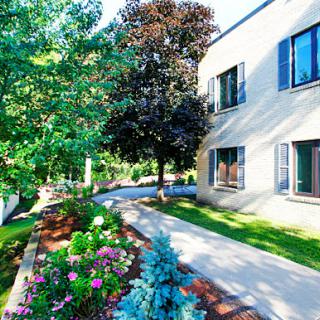
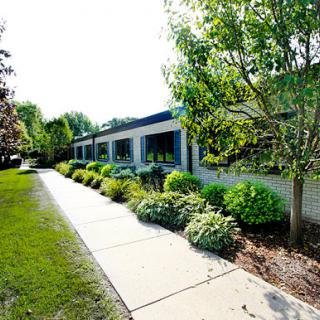
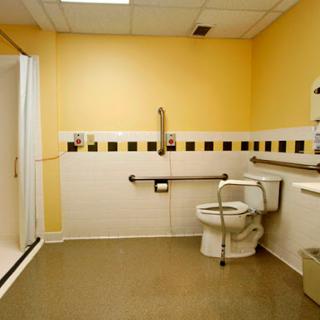
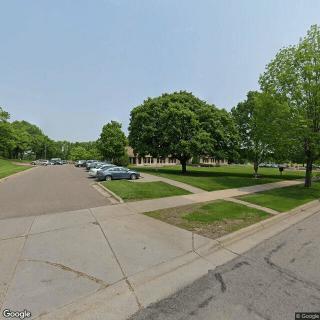
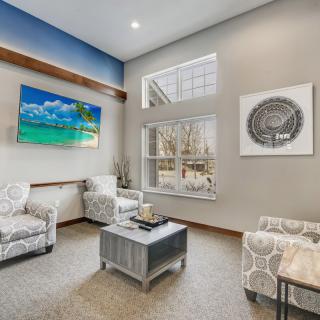
Good Samaritan Society - Maplewood on seniors.fyi includes 12 photos including images showing landscaping, windows, pathway, building, garden, outdoor, healthcare, trees, and more.
Nearby Communities
Rosoto Villa - RPS Legacy
Maplewood, MN
4.7 from 7 reviews
$1,075 to $1,295 / month
Welcoming atmosphere with an active community and private in-unit washers/dryers.
Arbor Pointe Apartments Community
Saint Paul, MN
4.2 from 10 reviews
$1,134 to $1,295 / month
Prices well below Ramsey County and Minnesota state averages (1BR $1,134; 2BR $1,295).
Renewed Spirit
Maplewood, MN
4.9 from 10 reviews
Intimate 8-resident community with 24/7 supervision, ADL support, medication management, diabetes-friendly dining, and transportation services.
Shimter Assist Livg
Maplewood, MN
4.6 from 120 reviews
Fully furnished assisted living with 24-hour care, dining options, social activities, and care coordination.
Advo Independent Care Services
Maplewood, MN
Fully furnished, 24/7 supervision with comprehensive care and resident activities.
Lake Phalen Opco
Maplewood, MN
4 from 43 reviews
Strong memory care focus with 24/7 supervision, specialized programming, and on-site amenities.
Phalen Shores Apartments
Saint Paul, MN
2.5 from 27 reviews
$825 to $900 / month
Clean, well-maintained units with friendly staff and heat included.
Suite Living - Little Canada
Little Canada, MN
4.4 from 5 reviews
$7,700 / month
Dedicated staff and comprehensive memory/assisted living services with in-room dining options.
Phalen Senior Lofts
Saint Paul, MN
4 from 25 reviews
$944 to $1,044 / month
Diligent management, clean, friendly community; notably affordable rents for the area.
Palliative care focuses on alleviating distress at any stage of a serious illness and can accompany curative treatments, while hospice care is for those nearing the end of life with a prognosis of six months or less, emphasizing comfort over curative measures. Both prioritize holistic care for patients and families but differ in timing, goals, and scope.
The guide details the tax deductibility of in-home healthcare expenses according to IRS guidelines, differentiating between medically necessary services and non-medical assistance, while emphasizing the need for proper documentation and itemization requirements. It also highlights state-level variations, the importance of record-keeping, and encourages seeking professional tax help to understand evolving regulations.
Gardening provides seniors with physical exercise, mental and emotional support, and social interaction opportunities, while accommodating their needs through raised beds and ergonomic tools. It promotes health benefits like improved dexterity and cardiovascular health, encourages sustainable practices, and allows for manageable upkeep with low-maintenance plants.
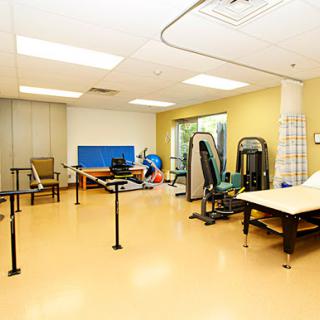
Exercise Equipment, Rehabilitation, Physical Therapy, and Fitness Center
Pathway
Nature
Healthcare
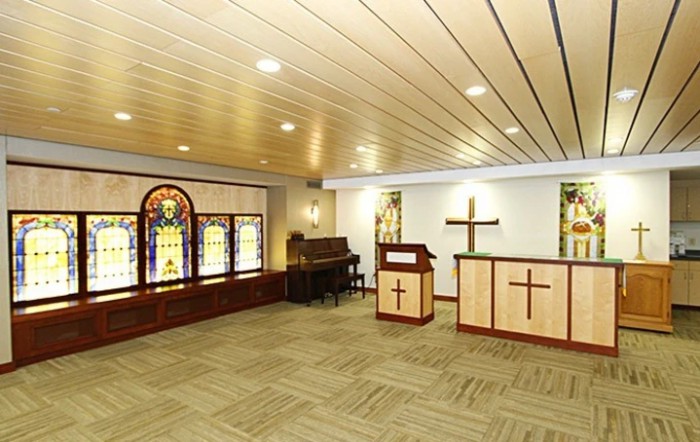
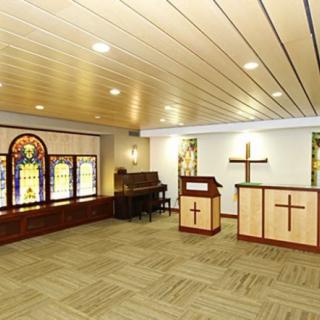
Piano and Chapel
Office
Sidewalk
Get PricingAsk A QuestionSchedule A TourContact Senior Advisor
By clicking submit, you agree to our Partner's Terms of Use. You
also consent to receive calls and texts, which may be autodialed, from our Partner. Your consent is not a condition to
using our Partner's service. Please visit our Partner's Privacy Policy for information about their privacy practices.


 71 resident community capacity
 Skilled Nursing Facility
 Air-conditioning
 Beauty salon
 Cable or satellite TV
 Computer center
 Dining room
 Fitness room
 Fully furnished
 Gaming room
 Garden
 Housekeeping services
 Kitchenette
 Move-in coordination
 Outdoor space
 Private bathrooms
 Restaurant-style dining
 Small library
 Telephone
 Wellness center
 Wi-Fi/high-speed internet available
 Minneapolis-St Paul International (11 miles away)
 Community operated transportation
 12-16 hour nursing
 24-hour call system
 Activities of daily living assistance
 Assistance with bathing
 Assistance with dressing
 Assistance with transfers
 Diabetes diet
 Medication management
 Mental wellness program
 Special dietary restrictions
 Concierge services
 Planned day trips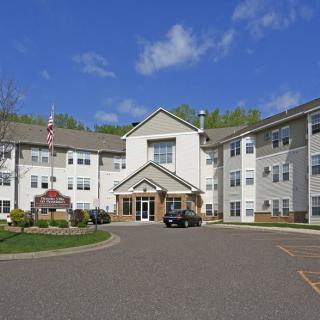
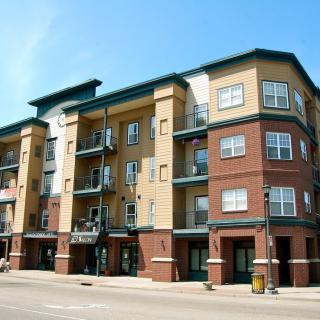
 Welcoming atmosphere with an active community and private in-unit washers/dryers.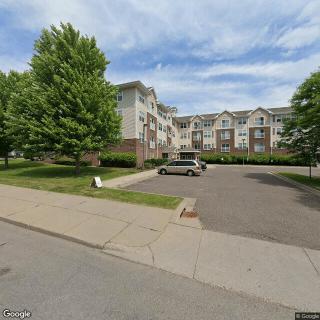


 Understanding the Nuances of Palliative Care and Hospice: A Comprehensive Exploration
 Is In-Home Healthcare Tax Deductible? Your Comprehensive Guide
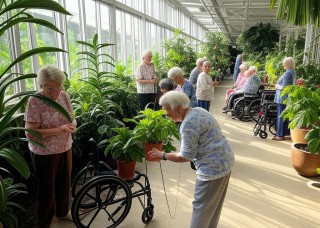 Nurturing Well-Being Through Gardening: A Detailed Guide for Senior Enthusiasts