
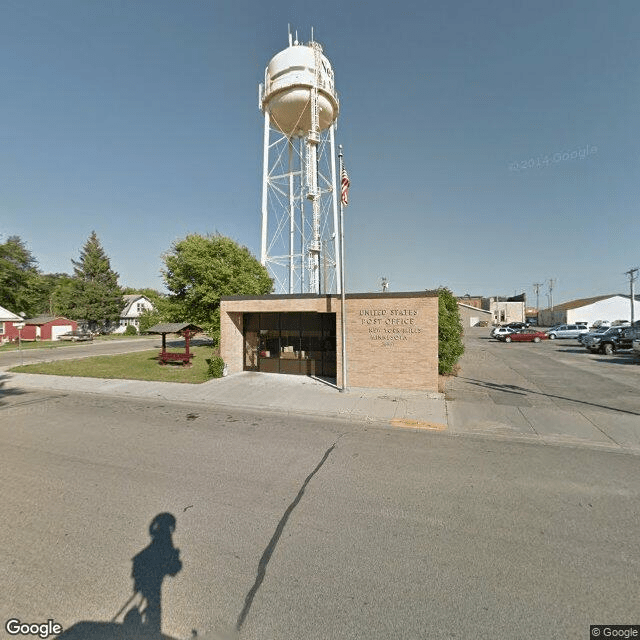
PO Box 188, New York Mills, MN 56567
To contact a resident: (218) 385-2005
For more information about senior living options: (866) 208-4318
Overall Review of Elders Home
Pros
 The staff at Lake Country Home Care are very kind and caring.
- The providers sent to care for the mom were amazing.
- Lake Country does a wonderful job of matching workers to clients.
- Mom loved both the ladies she worked with.
- The caregivers were willing to help with gardens, quilting tasks, and town trips.
- They were compassionate and supportive.
- The personnel brought in to care for the mother have been exceptionally professional, knowledgeable in elder care, and tender, caring people.
- Lake Country Home Care provides a wealth of help and information when hospice care is needed.
Cons
 They did not usually come on time; only one PCA was consistently present, and the client was told she couldn't keep that PCA.
- One of the PCAs allegedly caused the emotional support cat to ingest something poisonous, and there was no apology or acknowledgement from the staff.
- They did not express sympathy after the cat’s death, nor did they address the PCA’s possible involvement.
- They made the client feel that they didn’t care about her situation and implied blame rather than support.
- They told the client that she should have been with the PCA at all times, which made basic tasks like using the bathroom difficult.
- The client would not recommend them and has advised others to avoid the service.
Review
Elders Home in New York Mills is best suited for families seeking a partner that blends hands-on daily support with meaningful engagement, delivered by attentive staff who can tailor routines to the resident’s interests and needs. Across neighboring elder-care reviewers, the most satisfied clients describe a service that excels when caregivers are matched to individual preferences, garden tasks, crafts, simple trips to town, and when there is proactive coordination with hospice when the time comes. For residents who want more than basic assistance, someone who can help manage medications, reminders, light housekeeping, and social activities, this model tends to produce a fuller, safer daily life. Elders Home would be a good fit for that profile.
Those who may want to explore alternatives include families urgently requiring perfectly punctual service every day, with strict accountability and transparent, easily traceable incident handling. The Lake Country reviews reveal that while many caregivers were praised for warmth and capability, punctuality issues and communication gaps sometimes surfaced. If reliability and immediate responsiveness are non-negotiable, or if there is high sensitivity around staff error and blame, other providers with stronger field supervision and accountability measures may be preferable.
Key advantages observed across the reviews include truly kind, caring staff; strong talent for matching workers to the client; the ability to support activities that matter to the resident, gardens, quilting, trips; and effective hospice cooperation when needed. When these strengths align with a resident’s goals, the day-to-day experience feels safe and enriching. The main cons, occasional tardiness, limited communication after issues arise, and at least one incident where accountability was questioned, do not eliminate the overall value, because proactive supervision, continuous training, and careful caregiver assignment can offset many drawbacks.
Additionally, the deeply professional, knowledgeable caregivers, especially those who maintain good medication awareness and general elder-care competence, tend to create trust quickly, which reduces anxiety for family members and helps residents settle into daily routines. The hospice partnerships described in the reviews also point to a critical advantage: when professional teams coordinate smoothly, families experience clearer guidance and less decision-era stress. The risk is the usual home-care risk: turnover or mismatches in personality that strain rapport. The stronger the management layer, regular check-ins, performance feedback, and replacement processes, the more the positives reinforce the care's overall value.
Families evaluating Elders Home should demand a transparent plan: how caregivers are matched to each resident, what scheduling practices ensure punctuality, and how front-line staff are supervised. Ask about a defined escalation path for missed visits, late arrivals, or miscommunications, and how incident reports are handled. Inquire about hospice collaboration protocols, medication administration practices, and how goals of care are revisited with families. Confirm the scope of services: personal care, homemaking, and activity support; whether pets or animal-assisted routines are accommodated; and how success is measured, resident satisfaction, engagement levels, and health outcomes. Request references and, if possible, arrange a trial period.
Taken together, the themes from current reviews suggest Elders Home can deliver a compassionate, capable care environment that respects autonomy and fosters engagement, with the right staff-patient pairing and solid oversight. The most meaningful caveat is reliability: caregivers must arrive on time, communicate clearly, and stay accountable when issues arise. For families, the prudent path is to seek explicit assurances on scheduling discipline, caregiver assignment processes, and hospice coordination. If these align with the resident’s personality and needs, Elders Home stands as a competitive choice in the New York Mills area, offering a practical balance of daily support, meaningful activity, and trusted professional guidance.
 Skilled Nursing Facility
 Skilled Nursing Facilities vs. Nursing Homes: Making Sense of the Differences
 A Detailed Examination of Nursing Home Costs Across the U.S.
 Exploring Nonmedical Home Care: Understanding Services, Costs, and Financial Approaches