
95 Miller Street East, New York Mills, MN 56567
For more information about senior living options: (866) 208-4318
Overall Review of Lake Country Home Care
Pros
 The staff at Lake Country Home Care are very kind and caring.
- The providers Lake Country Home Care sends are amazing.
- Lake Country does a wonderful job of matching workers to clients.
- The staff were willing to work with her in her gardens, on quilting tasks, and town trips.
- Her last year was fuller thanks to the kind, caring help she received.
- Lake Country Home Care was a wealth of help and information when Hospice was needed.
- The team is compassionate and supportive.
- The personnel are exceptionally professional, knowledgeable in elder care, and tender, caring people.
- They would recommend Lake Country Home Care to others.
Cons
 They didn’t usually come on time.
- They were told they couldn’t keep the PCA they preferred.
- One of the PCAs let the emotional support cat get into something that poisoned her.
- They weren’t told they were sorry about the cat’s death, even if fault wasn’t admitted.
- They felt the company didn’t care.
- They told others not to deal with Lake Country Home Care.
- They were told it was their fault for not staying with the PCA all the time.
- They would never recommend Lake Country Home Care.
Review
Lake Country Home Care is best suited for families seeking deeply personalized, at-home elder care where caregiver compatibility and compassionate, hands-on support are the core of what is delivered. The community truly shines for seniors who want to stay in their own home and who value a relationship-driven approach from the care team. It works well when relatives can rely on a responsive, coordinated effort that brings in caregivers who can share in daily routines, gardening, light homemaking, and small-town excursions, while also coordinating with hospice when the time comes. For families prioritizing meaningful interaction and a warm, human touch, Lake Country is a strong match.
Strongest among the positives is the evident kindness and caring of the staff. Multiple accounts emphasize that the caregivers themselves are attentive, patient, and genuinely committed to the well-being of the person receiving care. The agency’s ability to match workers to clients stands out, families repeatedly note that the right people were assigned, with caregivers who could engage in beloved activities and tailor support to individual interests. This alignment is not merely about task completion; it translates into enhanced quality of life, with seniors enjoying gardening, quilting, town trips, and other meaningful routines that keep life within reach rather than reduce it to a checklist.
A further substantial advantage is the agency’s integration with hospice when needed, described as supportive and informative. Families facing end-of-life transitions report that Lake Country provided not only practical care but also guidance and emotional ballast during a difficult period. The staff’s professional competency, especially regarding standard medications and geriatric care awareness, adds a layer of reassurance for families navigating complex care needs. In short, the combination of compassionate caregivers and coordinated medical-moral support tends to elevate the overall experience beyond basic in-home assistive tasks.
Yet, a single review highlights a significant red flag: reliability and communication gaps can erase much of the goodwill created by the positives. The concern centers on punctuality, caregiver consistency, and how staff respond in crisis moments, including a troubling incident involving a pet and the emotional fallout when things went wrong. The expressed sentiment was that consequences could have been handled with greater empathy and accountability. This is not a universal verdict, but it is a real caution that reliability and crisis communication deserve close scrutiny before committing, especially for families who depend on strict scheduling and flawless incident management.
Those considerations matter because the benefits, exceptional caregiver matching, warm interpersonal dynamics, and hospice collaboration, do not automatically compensate for gaps in punctuality or crisis responsiveness. Families who can tolerate occasional schedule variance in exchange for highly engaged, person-centered care may find Lake Country meets their needs well. By contrast, households that require guaranteed on-time performance, rigorous caregiver continuity, or immediate, transparent handling of mishaps may want to compare alternatives with stronger guarantees or more robust oversight structures. It is prudent to ask pointed questions about caregiver retention, replacement policies, and how the agency handles error acknowledgment and apologies.
In sum, Lake Country Home Care delivers a compelling, practical option for in-home elder care where the heart of the service is compassionate, well-matched caregivers who can help maintain independence and a rich daily life. The program is well-suited for seniors who value personal connections, flexible activity support, and coordinated hospice when appropriate. Pros offset many concerns when reliability can be kept at a high standard, but the notable exception highlighted by one reviewer serves as a meaningful caution: prospective families should explicitly confirm punctuality practices, caregiver continuity, and incident-response procedures before scheduling start dates. If those elements align with family expectations, Lake Country presents a credible, capable path to a comfortable, home-centered aging experience.
 21 resident community capacity
 Assisted Living
 Beauty salon
 Cable or satellite TV
 Dining room
 Fully furnished
 Garden
 Housekeeping services
 Kitchenette
 Move-in coordination
 Outdoor space
 Telephone
 Wi-Fi/high-speed internet available
 24-hour call system
 Activities of daily living assistance
 Assistance with bathing
 Assistance with dressing
 Assistance with transfers
 Diabetes diet
 Meal preparation and service
 Medication management
 Mental wellness program
 Special dietary restrictions
 Transportation arrangement (medical)
 Transportation to doctors appointments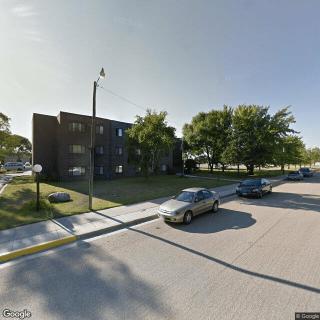


 Social Security Benefits and Assisted Living: Navigating Options Across the U.S.
 An Extensive Exploration of the VA Aid and Attendance Benefit
 Senior Transition Services: Understanding Their Role, Cost, and Importance