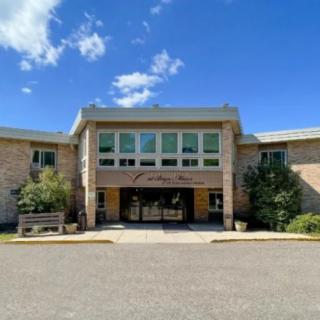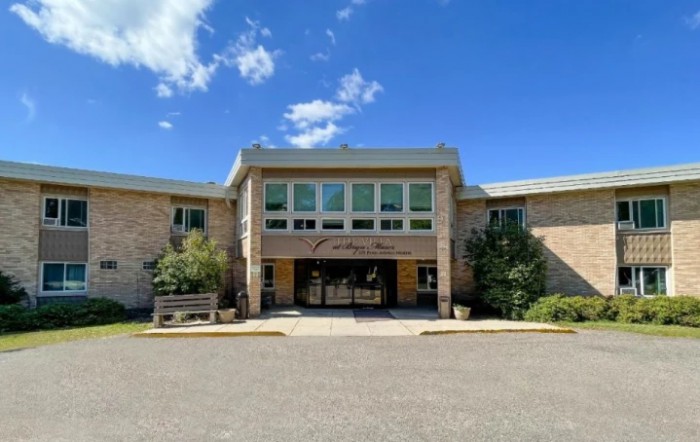

275 Penn Avenue North, Minneapolis, MN 55405
For more information about senior living options: (866) 208-4318
Overall Review of The Villa At Bryn Mawr
Pros
 The staff was amazing and cared deeply for the residents.
- Residents were cared for with dignity and love.
- Many of the staff were receptive and did what they could.
- The staff seemed knowledgeable and very caring to residents’ needs.
- The facility is very clean.
- They offer a lot of activities and keep residents engaged.
- The sister is being treated very well.
Cons
 After the takeover, the cleanliness and quality of care declined sharply, and many beloved caregivers left.
- An accident in the hall was not cleaned up for days, with dried urine remaining over multiple days.
- The conditions inside the facility grew dreadful and were not like they used to be, lacking dignity and love.
- Empty promises of improvements under the new ownership yielded nothing, and the place deteriorated each year.
- The aging building became run-down, and the stench was so bad it caused the reviewer’s eyes to water.
- Upper management was not receptive to requests for regular cleaning or promised improvements.
- The change in ownership removed the consistency of caring and the stability families relied on for years.
- The facility was described as filthy and run-down, with mold, grime, overloaded outlets, taped windows, and dusty vents.
- The grounds were littered with cigarette butts, and the environment included loud yelling and disruptive behavior, making it seem unsuitable for recovery.
- The distance to the facility made it impractical for ongoing use, despite some positive comments about care.
Review
The Villa At Bryn Mawr is best suited for families seeking a small, seemingly intimate care culture where staff relationships can feel like a true, ongoing commitment, so long as ownership and leadership remain stable and the environment is watchfully maintained. In other words, when care teams are consistent and the facility is reasonably clean, the place can deliver warmth, attentiveness, and meaningful activity. The real test, however, is whether that warmth endures under new management and whether upkeep keeps pace with residents’ needs. For seniors who require unwavering cleanliness, predictable operations, and a transparent, proactive leadership style, this community is not the default choice.
For those weighing alternatives, this facility warrants consideration only if the family can remain actively involved and verify that leadership has shifted to a reliable, resident-centered model. If distance to family, ongoing cleanlines and odor control, or a smoke-heavy, uncontrolled environment are non-negotiables, alternatives should be explored. The same applies to prospective residents who rely on consistent, visible supervision by upper management and a stable caregiving roster. In short, these are not assurances that can be taken for granted here, even when other factors, like activities and a friendly staff, are present.
On the upside, early chapters of care at Bryn Mawr show what strong, compassionate staff can achieve. When the facility felt like family, residents received attentive, dignified treatment, and families experienced genuine reassurance from caregivers who connected with their loved ones. The third review reinforces this picture in a different way: a sister reported being treated well, with knowledgeable, caring staff, a clean environment, and a facility offering engaging programs. These threads demonstrate the potential the community has when there is steady leadership, consistent staffing, and facilities that look and feel well cared-for.
The gravity of the downsides cannot be overstated. The most troubling pattern across the accounts is a sharp decline after ownership changes, marked by deteriorating cleanliness, a noticeable odor, and care gaps that culminate in events like unattended accidents. The second, highly critical account describes a facility plagued by filth, unsafe conditions, and a chaotic atmosphere, smoking areas, loud behavior, mold concerns, and questionable credential claims. Taken together, these experiences illustrate a real risk: when management lacks responsiveness or a clear plan for maintenance and quality control, the core promise of safe, respectful senior care frays quickly, leaving families with tough, wrenching questions about what comes next.
For decision-making, ask concrete questions and seek observable evidence. Request current ownership and management contact, a written remediation plan with timelines, and recent quality inspection reports. Tour at different times to gauge staff presence and responsiveness, and observe the interactions between caregivers, residents, and visitors. Check the facility’s cleanliness, odor, and upkeep in common spaces and resident rooms; verify the availability of licensed nursing staff on site and their typical response times. Explore distance and logistics to medical appointments and family support systems, and verify that smoking policies and safety protocols fit the senior’s needs. Inquire about grievance processes and how swiftly concerns are addressed, especially after transitions in ownership.
In the end, The Villa At Bryn Mawr offers a bifurcated picture: potential warmth and engagement when care leadership is steady, contrasted with real vulnerability around cleanliness, safety, and proactive management when that leadership falters. Families should only proceed if they can insist on concrete assurances, ongoing oversight, and demonstrable improvements in facility maintenance and staff stability. For many, a facility with more transparent governance, cleaner environments, and predictable care will prove a safer, more reliable choice.
 120 resident community capacity
 Skilled Nursing Facility
 Air-conditioning
 Beauty salon
 Cable or satellite TV
 Computer center
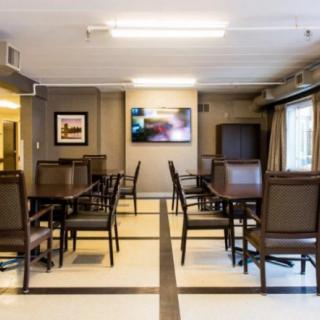
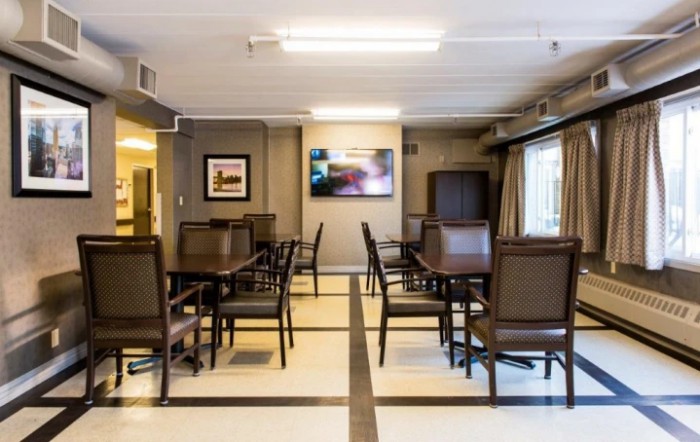
 Dining room
 Fitness room
 Fully furnished
 Gaming room
 Garden
 Housekeeping services
 Kitchenette
 Move-in coordination
 Outdoor space
 Private bathrooms
 Restaurant-style dining
 Small library
 Telephone
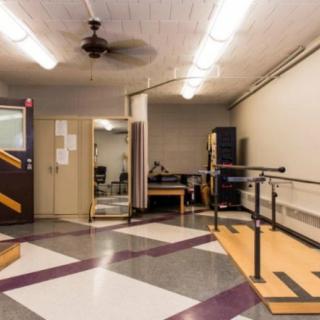
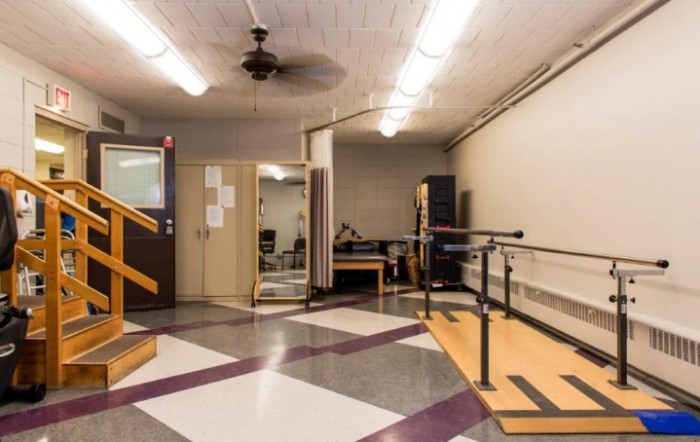
 Wellness center
 Wi-Fi/high-speed internet available
 Minneapolis-St Paul International (8 miles away)
 Community operated transportation
 12-16 hour nursing
 24-hour call system
 Activities of daily living assistance
 Assistance with bathing
 Assistance with dressing
 Assistance with transfers
 Diabetes diet
 Medication management
 Mental wellness program
 Special dietary restrictions
 Concierge services
 Planned day trips


 Supportive Employee Benefits That Help Caregivers Attain Better Work-Life Harmony
 Top Cars for Senior Drivers and Essential Safety Innovations
 A Closer Look at Private Pay Home Care