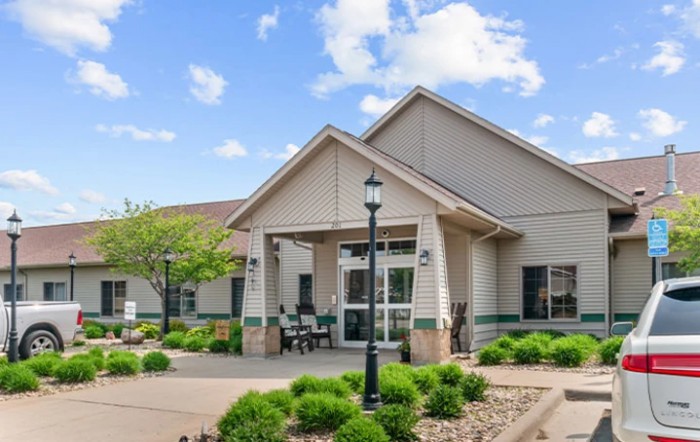
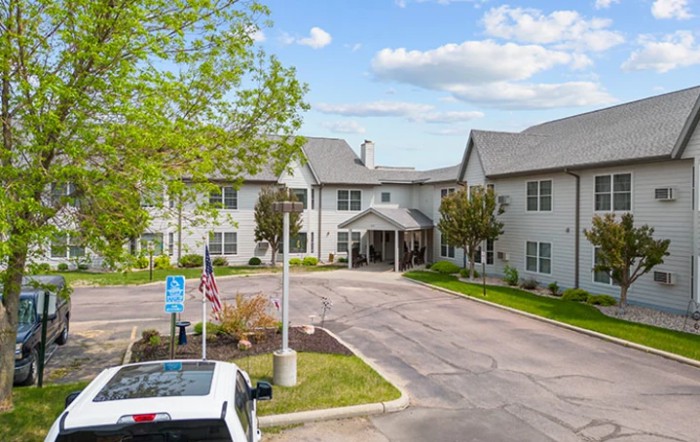

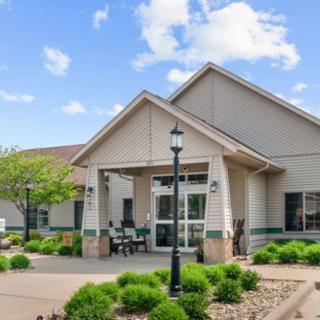

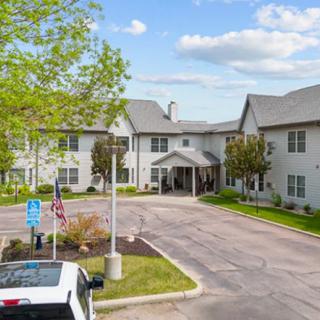


110 South Walnut Avenue, Luverne, MN 56156
For more information about senior living options: (866) 208-4318
Overall Review of Good Samaritan Society - Mary Jane Brown
Pros
 The facility is a great place for grandparents.
- The nurses and CNAs do a good job with the residents.
- The nursing home facility is great.
- Her grandmother is doing very well there.
Cons
 There is a shortage of staff and the food is cold most of the time.
- The facility discriminates in hiring, making it hard to get a job there.
Review
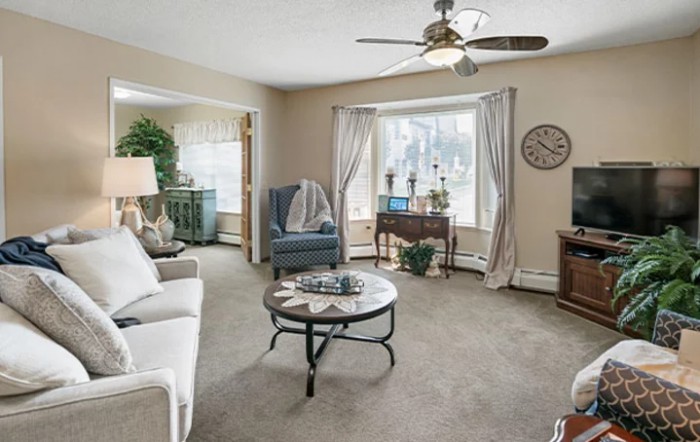
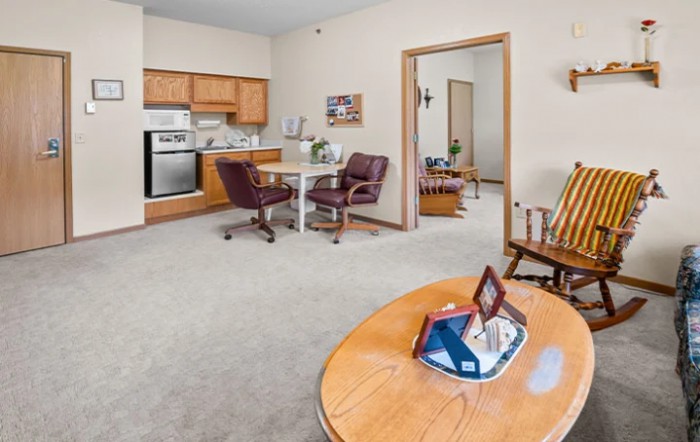
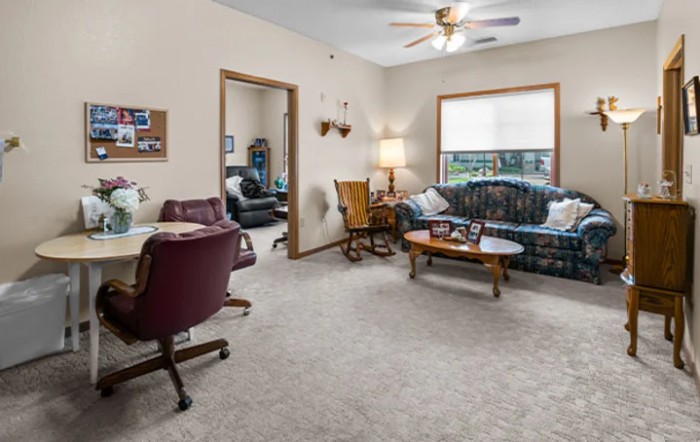
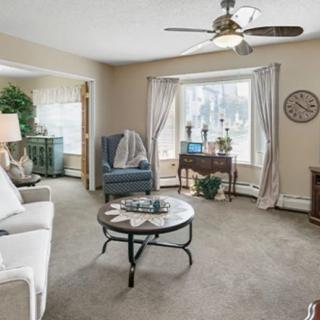
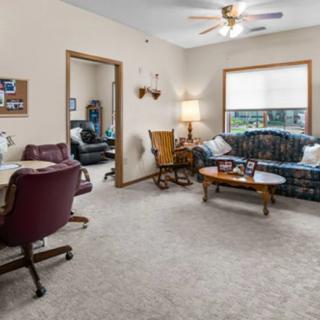
Good Samaritan Society - Mary Jane Brown in Luverne, MN is best suited for families that value direct, hands-on frontline care from nurses and CNAs and for residents who respond positively to attentive, visible caregiving in a small-town setting. When staffing is adequate, the care relationships are genuine and residents can thrive with steady daily support. The facility’s team tends to be more involved in day-to-day activities and monitoring, which supports residents who need regular assistance with activities of daily living and who benefit from frequent check-ins. For families seeking a welcoming, intimate atmosphere where caregivers interact with residents rather than merely ticking boxes, this community can deliver. It is a practical fit for those who prioritize personal contact on the floor and a sense of continuity in routine.
That said, there are clear reasons to consider alternatives. Families should be cautious if reliable, timely help is nonnegotiable or if a resident’s meals and dining experience are paramount. The most consistent caution from critics centers on staffing gaps that leave care requests unmet or delayed. Meal service is another recurring concern, with instances of food arriving cold or at least not meeting expectations. Additionally, a reported difficulty in hiring within the facility, described by some as discriminatory, can signal underlying morale and turnover issues that may ripple through the care team over time. For families who require a consistently high standard of both staffing stability and culinary quality, exploring other options is a prudent step.
The strongest positives at Mary Jane Brown lie with the frontline caregiving core. Reviews repeatedly highlight that nurses and CNAs do a commendable job with residents, and individual stories describe residents, like a grandmother, doing well under their care. The setting itself supports meaningful engagement; staff often appear dedicated to residents’ day-to-day well-being, and that level of attention can translate into better mood, participation in activities, and adherence to basic routines. When the care staff are present and responsive, families see real benefits: regular observation, timely assistance, and a sense that someone is watching over the resident’s comfort and safety. In practical terms, these strengths often justify choosing this community for residents who need steady, visible caregiver involvement.
Yet the main cons cannot be dismissed as minor nuisances. Staffing inconsistencies can translate into slower response times and occasional gaps in help, which frustrate residents and families who expect prompt attention. The dining experience, specifically, meals that arrive cold or not hot enough, undercuts overall satisfaction and can affect appetite and energy. The combination of staffing constraints and food service issues creates a tension: the care philosophy and bedside attentiveness can be excellent, but the day-to-day experience may feel uneven if shifts are under-resourced. For a resident who values prompt, predictable service and culinary quality, these are meaningful drawbacks that tilt the risk-benefit balance toward caution.
To offset these drawbacks, prospective families should probe during tours and conversations about staffing patterns, shift coverage, and the kitchen’s capacity to handle dietary restrictions and preferences. Ask for current nurse-to-resident and aide-to-resident ratios on different shifts, and request examples of how care plans are adjusted when staffing is stretched. Inquire about menu options, meal timing, and whether there is flexibility to accommodate preferences or special diets. It’s also wise to discuss the facility’s approach to morale and turnover, including how concerns about hiring practices are addressed and what steps are taken to sustain a consistent caregiving team. These questions help separate days when operation feels cohesively run from days when gaps emerge.
In the end, Mary Jane Brown serves as a practical option for families prioritizing hands-on caregiver relationships and visible resident progress within a home-like environment. It is a reasonable choice for residents who can tolerate occasional delays in assistance and variability in meal service, provided the frontline staff remains engaged and supportive. For families where consistent staffing, timely help, and consistently satisfying meals are nonnegotiables, it is essential to compare alternatives with careful attention to staffing stability, kitchen service, and the facility’s track record on morale and turnover. Schedule thorough visits, talk to current residents and families, and place emphasis on how care plans are executed in real-time. The right decision will hinge on whether the daily lived experience aligns with the resident’s needs and the family’s expectations for reliability and nourishment.
 51 resident community capacity
 Skilled Nursing Facility
 Air-conditioning
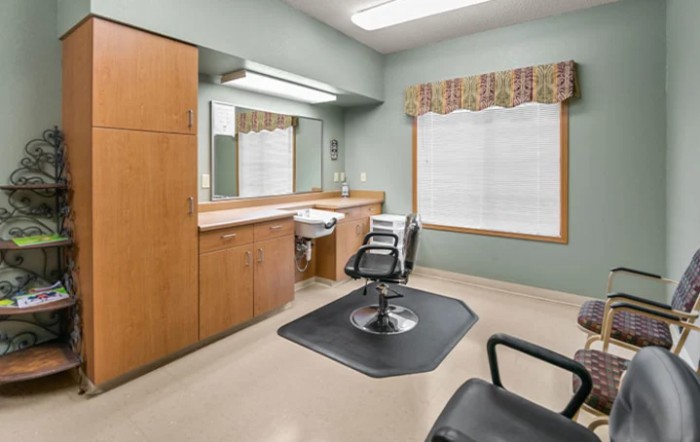
 Beauty salon
 Cable or satellite TV
 Computer center
 Dining room
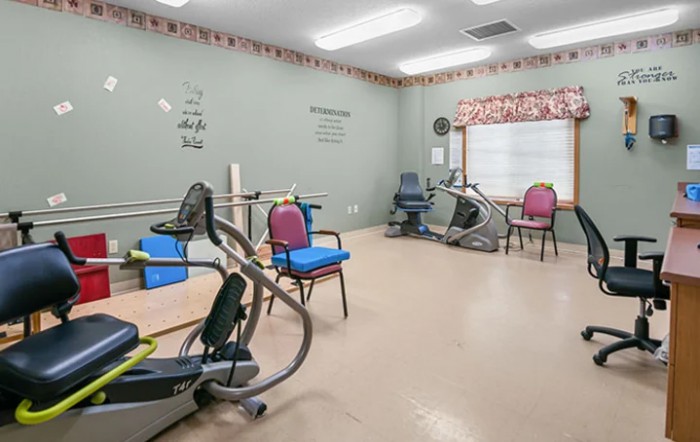
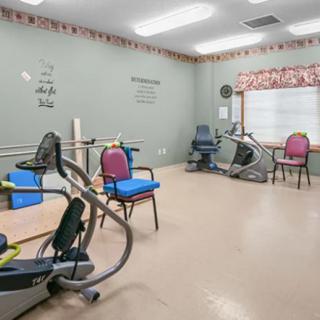
 Fitness room
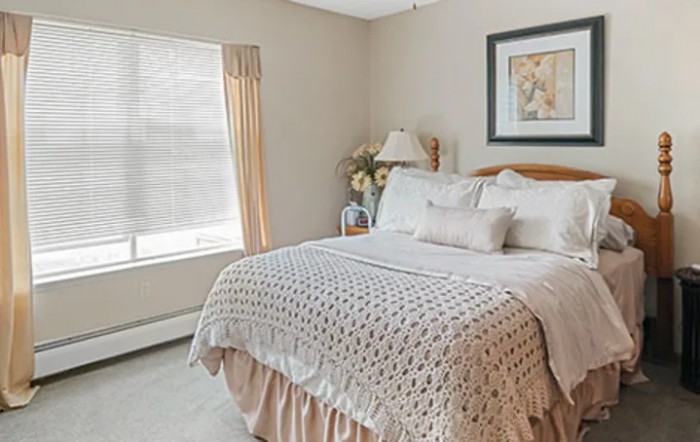
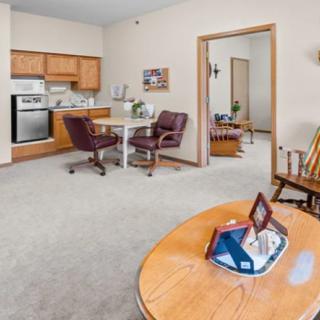
 Fully furnished
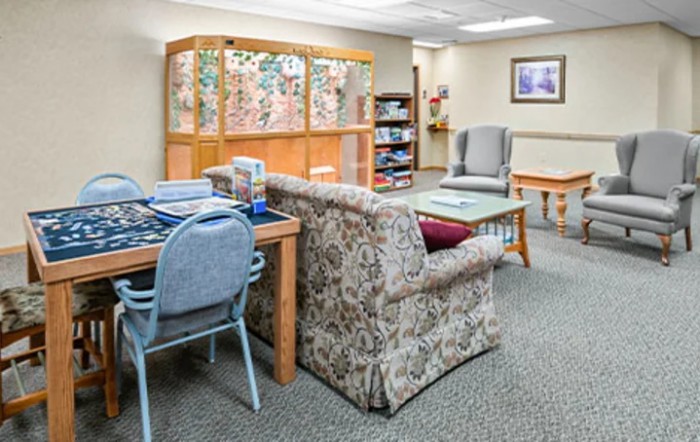
 Gaming room
 Garden
 Housekeeping services
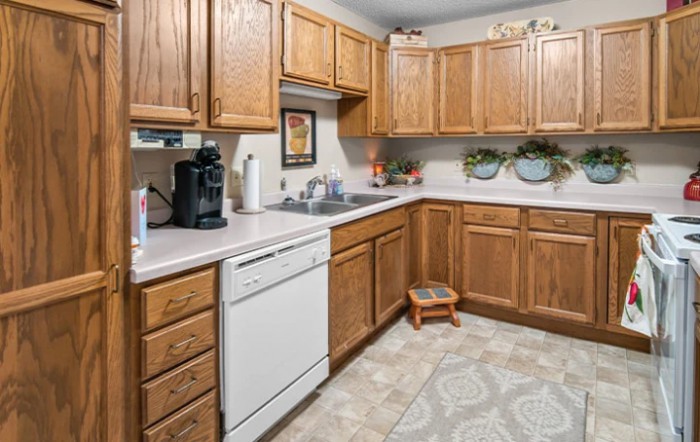
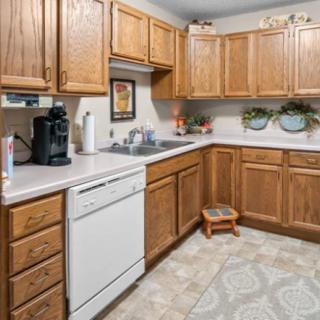
 Kitchenette
 Move-in coordination
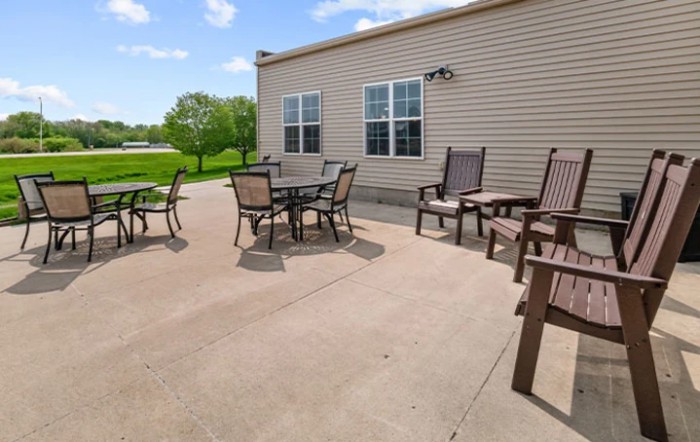
 Outdoor space
 Private bathrooms
 Restaurant-style dining
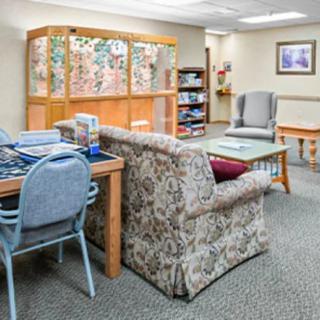
 Small library
 Telephone
 Wellness center
 Wi-Fi/high-speed internet available
 Community operated transportation
 12-16 hour nursing
 24-hour call system
 Activities of daily living assistance
 Assistance with bathing
 Assistance with dressing
 Assistance with transfers
 Diabetes diet
 Medication management
 Mental wellness program
 Special dietary restrictions
 Concierge services
 Planned day trips




 Comprehensive Insights and Practical Strategies to Help Older Adults Avoid Falls
 6 Crucial Ways an Elder Law Attorney Assists Families
 Navigating the Tax Landscape of Caregiving: Credits, Deductions, and Beyond