
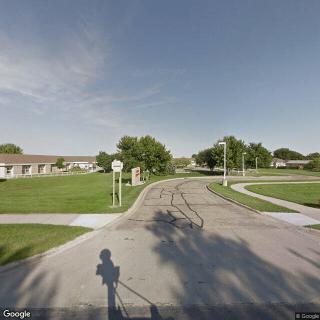
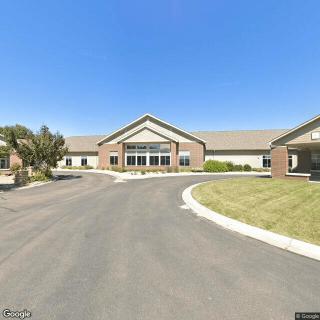
201 Oak Drive, Luverne, MN 56156
For more information about senior living options: (866) 208-4318
Overall Review of Poplar Creek Estates
Pros
 The Oaks in Luverne is a small, supportive community where staff help residents feel comfortable during the move.
- The staff are very caring, and some residents have been especially helpful.
- The Oaks reaches out to new residents to help them feel more comfortable.
- The location offers a nice small-town setting away from Minneapolis.
- The one-bedroom is spacious enough for comfortable living, with a walker in mind.
- The bathroom is large enough to maneuver with a walker.
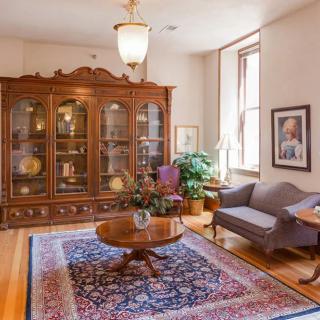
- The place has a very nice, spacious appearance.
- They would recommend The Oaks.
Review
Poplar Creek Estates in Luverne is best suited for seniors who prize an intimate, genuinely caring environment where staff are proactive about easing a move and helping a new resident feel at home. This community shape works exceptionally well for families who want to avoid the stress of a large, impersonal campus and prefer a small-town setting where staff and residents know one another by name. The Luverne location also appeals to those who want to minimize long drives for family visits and appreciate the comfort of a quieter, walkable area with familiar surroundings rather than a sprawling metro scene.
Those who should consider alternatives are residents who demand a broad menu of daily activities, robust on-site programming, or access to a wider array of medical specialists and services in-house. If a family needs significant hospital proximity, specialized therapy options, or a campus with a larger footprint and more extensive social calendars, a bigger facility may better satisfy those expectations. In short, Poplar Creek Estates will shine for residents who value connection, safety, and ease over the sheer breadth of amenities.
The strongest proline rests with the staff and the social fabric they cultivate. A small community like this tends to produce a warm, attentive atmosphere where caregivers are motivated to reach out and help a new resident settle in, an especially important dynamic during the transition from independent living. When a resident is greeted with personalized introductions, and staff members actively engage to make him or her feel comfortable, anxiety about moving is notably reduced. Add to that a layout that prioritizes safety and mobility, such as a one-bedroom floor plan with a bathroom designed to accommodate walkers, and the practical peace of mind becomes tangible. These elements collectively transform what could be a stressful relocation into a smoother, more confident start.
Peer relationships emerge as another meaningful strength. The experience described in these reviews highlights how fellow residents can help a newcomer feel accepted and engaged, providing day-to-day companionship that sustains morale and activity. In a small town setting, casual conversations, shared meals, and informal routines develop quickly, which accelerates social integration. For families, this translates into less worry about isolation or loneliness, and more trust that their loved one is within a network of peers who are genuinely invested in their well-being.
However, the compact scale that makes Poplar Creek Estates appealing also implies certain trade-offs. The most salient potential drawback is a comparatively limited menu of programs, outings, or specialized services that larger campuses routinely advertise. Families should weigh whether a busy daily calendar of activities and a broad spectrum of on-site therapies are non-negotiable. If a loved one requires frequent, advanced medical oversight or a wide variety of enrichment options on a daily basis, the smaller provider may feel constraining. The presence of a close-knit staff cannot fully substitute for the breadth of resources found in bigger communities.
For families evaluating this choice, a practical decision framework helps translate these insights into action. Begin with a candid assessment of priorities: is the primary goal daily companionship and a gentle pace, or is the emphasis on frequent, diverse activities and easy access to medical services? Observe conversations during visits, note how staff speak with residents, how quickly concerns are addressed, and whether neighbors appear truly connected. Inspect the layout for safety features, determine the availability of transportation to appointments, and ask about who handles care coordination and housekeeping tasks. Finally, partner with a trusted advisor to compare Poplar Creek Estates against other regional options that share a similar intimate feel but offer broader programming.
In sum, Poplar Creek Estates appears to be an excellent fit for seniors who want a warm, supportive, small-town environment where staff take proactive steps to help a newcomer settle in, and where residents’ families can feel confident in a caring network. The core advantages, personal attention, a social ecosystem that values newcomer integration, and practical, mobility-friendly design, can decisively offset the absence of vast amenities. For those whose vision of senior living includes expansive activity schedules or extensive on-site medical resources, it remains prudent to explore alternatives with larger campuses. The right choice will hinge on a clear alignment between the resident’s needs for connection and reassurance, and the family’s tolerance for a more intimate but narrower service spectrum.
 21 resident community capacity
 Assisted Living
 Beauty salon
 Cable or satellite TV
 Dining room
 Fully furnished
 Garden
 Housekeeping services
 Kitchenette
 Move-in coordination
 Outdoor space
 Telephone
 Wi-Fi/high-speed internet available
 24-hour call system
 Activities of daily living assistance
 Assistance with bathing
 Assistance with dressing
 Assistance with transfers
 Diabetes diet
 Meal preparation and service
 Medication management
 Mental wellness program
 Special dietary restrictions
 Transportation arrangement (medical)
 Transportation to doctors appointments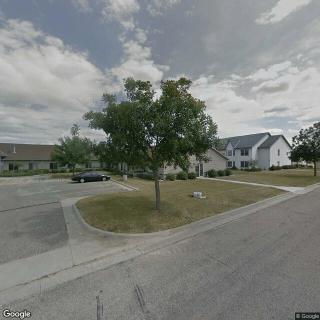



 Assisted Living and Memory Care: Understanding Their Core Differences
 Beyond the Bingo Hall: 50+ Enriching Activities for Seniors in Assisted Living
 Understanding the Distinctions: Assisted Living and Memory Care Explained