
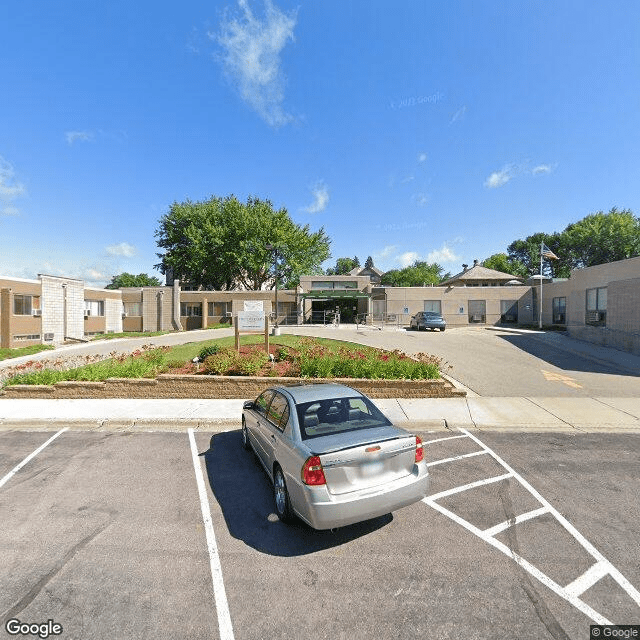
503 Division St E, Faribault, MN 55021
To contact a resident: (507) 332-5158
For more information about senior living options: (866) 208-4318
Overall Review of The Emeralds Faribault Asst Li
Pros
 The family felt blessed by the Emeralds staff’s care for their daughter, who passed peacefully there.
- The mother had a good experience on multiple visits and was well cared for by the staff.
- The aunt improved with rehab OT and PT care, and the staff were friendly, respectful, and easy to reach.
- The staff were described as wonderful, caring, and loving, delivering excellent OT and PT care.
- The attentiveness of the staff was appreciated by family members, who felt their loved ones received thoughtful, attentive care.
Cons
 The staff were seen sitting on the floor during a visit, which felt unsanitary.
 - There was a lack of communication about transfers and insurance, causing delays.
- The nurses were described as not knowing what they were doing and crabby.
- The facility is not maintained as well as it should be given the fees charged.
- The organization has deteriorated over the past couple of years.
- The staff are severely understaffed, especially with nurses, and wounds go unchecked for days.
- It represents elder abuse and a significant decline in care.
- Residents are left in soiled clothing or diapers for extended periods and do not get cleaned promptly.
- Call buttons go unanswered for long periods.
Review
This community is best suited for families that can stay actively involved and want a smaller, more intimate setting where rehabilitation and long-term care can unfold with hands-on oversight. The Emeralds Faribault is a practical fit for households that value personal connections and the possibility of meaningful progress through OT/PT when staff are present and engaged. It can work for post-acute or short-term rehab where family members can monitor progress and advocate for timely care, and for residents who benefit from a homier campus feel rather than a sprawling facility. In short, it rewards vigilance and involvement; it does not stand alone as a hands-off option.
Those who should consider alternatives are families seeking ironclad reliability in staffing and consistently high nurse coverage. The strongest red flags here are persistent understaffing, especially among nurses, and repeated reports of slow or absent response to call bells. Transfers and insurance hurdles further complicate planning, suggesting fragility in the system that can leave vulnerable residents underserved when family members cannot visit daily. For individuals with advanced medical needs, tight wound care requirements, or a history of dehydration and incontinence management, the risks implied by staffing gaps and inconsistent care become too significant to overlook. If a calm, consistently staffed environment is non-negotiable, other options deserve exploration.
From a practical standpoint, the positives center on the core caregiving instinct that shows up in many staff members. Several families report genuinely caring, attentive staff, and positive experiences with rehab-focused therapy teams. The rehab OT/PT experiences are described as valuable for residents who can participate, and social workers are frequently cited as accessible and responsive. The smaller campus size can foster friendlier interactions and easier navigation, allowing family members to form working relationships with caregivers and therapists. When engagement and regular visitation occur, certain residents experience notable improvements and a sense of personalized attention that larger facilities may struggle to deliver.
The most salient cons risk overwhelming any benefits. Understaffing translates into delays in basic care, missed wound checks, and residents remaining in soiled clothing or without adequate hydration for days.-thematic threads of neglect emerge in several accounts, including reports of call lights going unanswered for extended periods and instances where staff disrespect or poor communication undermined trust. Add to that persistent turnover, management questions, and a perception that operational decisions center on staffing constraints or investor considerations rather than resident welfare. Taken together, these factors create safety, dignity, and quality-of-life gaps that are difficult to bridge solely through good intentions at the bedside.
The pros can offset the cons only to a limited degree and primarily when families are able to provide consistent oversight and advocacy. A devoted family can push for timely wound care, adequate hydration, and prompt response to calls, and can partner effectively with the available rehab and social-work teams. However, the systemic issues, understaffing, inconsistent nurse coverage, and reports of poor management decisions, mean the positives do not reliably translate into predictable, high-quality daily care. For a resident who requires steady 24/7 nursing attention or who cannot be a constant presence at the facility, the risk calculus leans decisively toward alternatives. For others who can couple regular visits with clear care plans and strong resident-family coordination, there is potential for meaningful progress, but with clear caveats.
In practical terms, families evaluating this community should insist on concrete assurances before moving in. Request a current staffing schedule and nurse-to-resident ratios, and insist on visibility into wound-care protocols, hydration management, and daily hygiene routines. Ask for a candid plan addressing reported gaps in call-light response times and a clear path for escalation of concerns. Tour at different shifts, speak with multiple residents and families, and press for transparent communications with social workers and the director of nursing. Have alternative options in hand and compare them on staffing consistency, care continuity, and demonstrable rehab outcomes. If choosing this community, enter with specific expectations, regular check-ins, and the readiness to act quickly if care falls short.
 Skilled Nursing Facility
 Activities on-site
 Devotional services off-site
 Indoor common areas
 Ambulatory care
 Diabetic care
 Meals provided
 Comprehensive Insights and Practical Strategies to Help Older Adults Avoid Falls
 6 Crucial Ways an Elder Law Attorney Assists Families
 Navigating the Tax Landscape of Caregiving: Credits, Deductions, and Beyond