
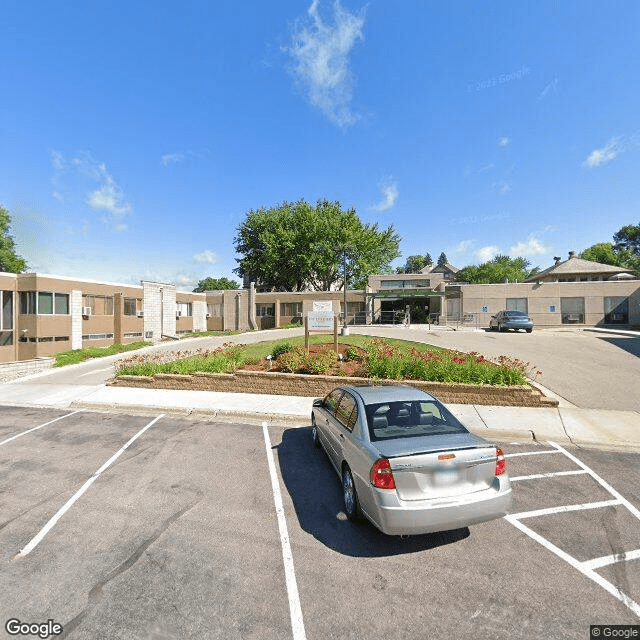
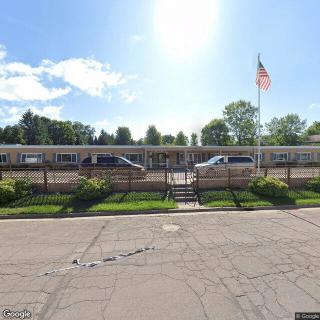
500 1st St SE, Faribault, MN 55021
To contact a resident: (507) 332-5100
For more information about senior living options: (866) 208-4318
Overall Review of St Lucas Care Ctr
Pros
 They have always been healthy and happy.
- They have had their hair done and received special treatment.
- There are no complaints about their care.
Cons
 Welcov is a horrible company to be a vendor for.
 - They warn to get paid before doing business with any of Welcov’s facilities and have sent vendors to collections.
- If they are this irresponsible about paying bills, one can only imagine what the care is like.
- The reviews allege the nurses gave horrible care, were rude to the grandmother, and treated her as too much trouble.
- The facility allegedly lied about the discharge plan and discharged the grandmother AMA without any medications.
- The reviewer warns, “DO NOT GO HERE” and says they wouldn’t send their worst enemy there.
- A grandfather was deemed a problem after a short stay, moved to long-term care, and later fell; staff asked family to sit with him all day to keep him busy.
- Staff reportedly treated the grandfather as a nuisance and suggested they remove themselves from his room to avoid interaction, raising further concerns about care.
Review
St Lucas Care Center in Faribault is best suited for families that can provide substantial in-person oversight and prioritize routine, familiar comforts over a highly coordinated medical environment. The facility appears most appropriate for residents with relatively modest medical needs who value daily living supports, personal touches, and a predictable routine more than intensive clinical oversight. In practice, this means that clear family involvement and proactive advocacy are essential for any resident to navigate care, discharge planning, and daily interactions.
Those considering alternatives should note that residents with high medical complexity, frequent medication needs, or cognitive or behavioral challenges requiring consistent, high-quality supervision may be better served elsewhere. Families unable to visit regularly or to monitor care closely should prepare for potential gaps in communication, timely medication handling, and discharge coordination. For anyone seeking robust, standardized clinical oversight, or specialized memory or rehab programming, other MN facilities with stronger track records in nursing care and risk management are worth evaluating first.
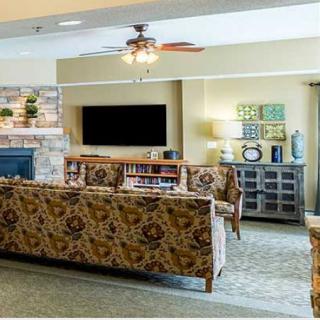
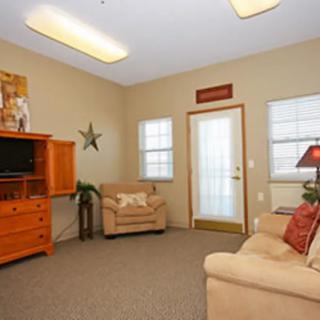
On the upside, a minority of residents appears to experience continuity, basic comfort, and some personalized touches that can make a stay feel more livable. Positive notes from some long-term residents and families point to routines, basic amenities, and occasional individualized attention, including services like hair appointments and a sense of familiarity that helps some residents settle in. These elements matter for quality-of-life during short-term stays or transitions, and they create a baseline of everyday practicality that families value when care needs are modest.
The most troubling themes emerge around care quality and safety. Several reviews describe rude or unresponsive staff, inadequate attention to medical needs, and miscommunications that escalate family concern. Discharge planning is repeatedly flagged as problematic, up to and including a discharge that allegedly bypassed medications and involved calls to family with false statements about patient wishes. A separate account details a rapid, troubling transition from short-term to long-term care without adequate supervision, culminating in a fall and a sense that staffing attention was insufficient for a recovering patient. Such patterns simultaneously erode trust and raise concrete safety questions for residents with real medical vulnerabilities.
Ultimately, the positives do not meaningfully offset the core risks identified. Reliable, respectful, medically attentive care is the expectation for anyone evaluating an assisted living or entry-level nursing setting, and the reports here emphasize inconsistency in those dimensions. For families where a resident’s health can be managed with strong family involvement and clear, assertive communication with staff, there may be a workable fit. For most others, especially those with recent surgery, fragile health, or a need for dependable medication administration and discharge discipline, more consistently rated facilities should be pursued first.
If choosing St Lucas, approach with a disciplined due diligence plan. Request a direct conversation with the nursing leadership to review staffing levels, response times, and how medication administration is tracked. Ask for recent state inspection reports, incident logs, and a concrete discharge-planning process that includes written plans, medication handoffs, and follow-up checks. Speak with multiple families or residents about their experiences across shifts, and tour the long-term care and short-term rehab areas with specific questions about fall prevention, laundry handling, and how concerns are escalated. In short, use a structured, evidence-based decision process to determine whether the current strengths align with a resident’s medical realities and family capacity to stay actively involved.
 Skilled Nursing Facility
 Understanding Home Health Care: A Comprehensive Guide
 Home Health Care Demystified: A Comprehensive Guide for Families and Caregivers
 Seniors and Modern Transportation: Exploring Uber, Lyft, and Other Ride-Hailing Options