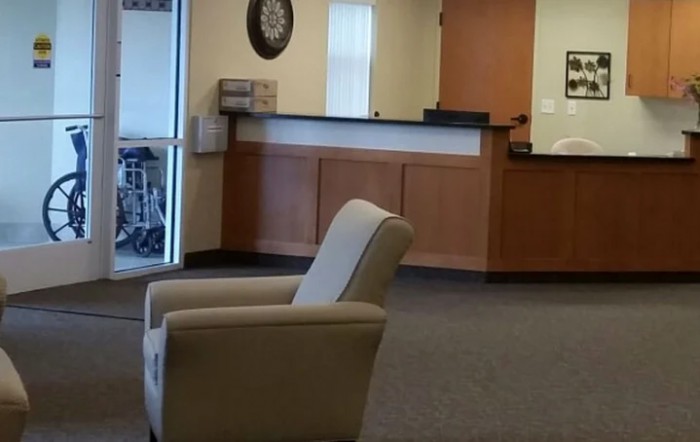
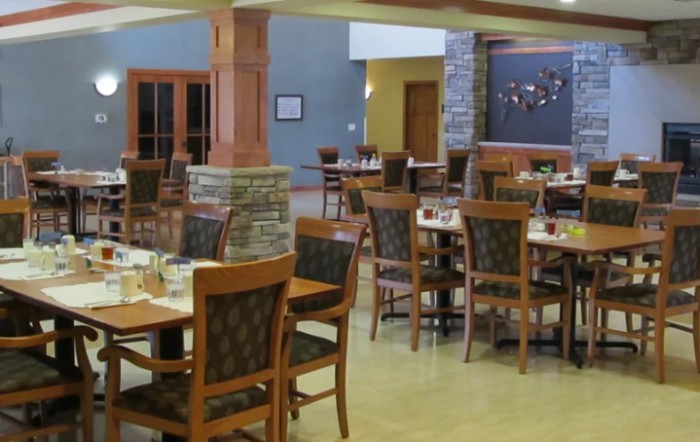
416 Seventh Street Northeast, Bagley, MN 56621
For more information about senior living options: (866) 208-4318
Overall Review of Cornerstone Nursing & Rehab Center
Pros
 It is the best place for family members.
- The Family Farm Day photos show a caring place for residents and loved ones.
- It is the best memory care.
- They were wonderful from start to finish.
- The staff are blessed.
Review
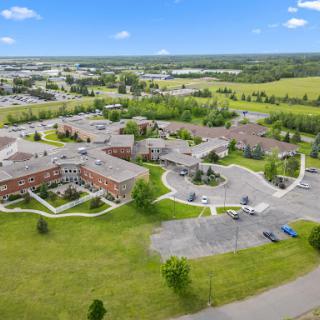
Cornerstone Nursing & Rehab Center in Bagley, Minnesota is best suited for families prioritizing memory-care support delivered with a warm, family-centered approach. The strongest signals from current impressions are emotional and relational: photos from events like a Family Farm Day and explicit statements that the place is “for loved ones” where care teams invest time and attention in residents. The memory-care focus is highlighted as a standout feature, with care teams described as patient and steady from admission onward. For families navigating memory impairment, this environment translates into predictable routines, ongoing engagement, and a sense that staff are partnering with relatives to maintain dignity, identity, and connection.
That said, Cornerstone may not be the first choice for every family. If the aim is a facility with a broad array of resort-like amenities, very high staffing ratios, or a hospital-adjacent footprint with extensive specialty services, other options could be worth evaluating. The rating history is modest in scale, 3.8 stars from four reviews, with a notable caveat: one reviewer gave a 1-star rating. That lone data point suggests room for diligence during tours and conversations with administrators and current families. For those who live far away or want a larger volume of independent opinions, comparing with facilities that have more extensive review data could yield additional confidence.
The main advantages are tangible and practical. The staff’s compassion and the sense of continuity, “from start to finish”, signal a care model built to support memory-care residents and their families over time. The positive remarks about memory care itself, emphasizing warmth, patience, and a collaborative approach with families, are not just sentiment; they translate to daily stability, meaningful activities, and timely responsiveness. The visible family involvement, including event programming and caregiver accessibility, provides a framework for relatives to stay engaged without feeling overwhelmed by the care process. In real-world terms, these elements can reduce family stress and improve resident well-being.
Nevertheless, the downsides must be weighed. The overall signal relies on a very small sample, including at least one unfavorable rating, which invites careful vetting. Memory care remains inherently challenging, and descriptions that it is “never easy” underscore the need for robust staff training, clear communication, and steady leadership. The rural Minnesota setting can affect access to certain services and make frequent visits more logistically demanding for some households. While these factors don’t negate the positives, they are critical considerations for families assessing whether the level of medical flexibility, emergency capacity, and transportation options aligns with their needs.
Despite the caveats, the positives align well with families seeking a dependable memory-care environment anchored in genuine care and active family participation. The combination of compassionate caregivers and a culture that welcomes relatives into the care plan can offset concerns about scale or location, especially for residents who thrive on routine, familiar faces, and regular family involvement. Cornerstone offers a practical, relationship-driven model that feels accountable and personal, which can be a decisive advantage for memory-care cases where emotional well-being and continuity matter as much as clinical needs.
For families moving forward, practical next steps are clear. Schedule a hands-on tour and request a candid run-through of the memory-care program: daily schedules, caregiver-to-resident ratios, dementia-care training, and the process for sharing updates with families. Meet the direct caregivers, review recent activity calendars, and probe safety measures, emergency plans, and how care plans evolve with resident needs. If a broader continuum of care or more expansive services is essential, identify alternative options with larger teams or closer hospital networks. If the priority is a trusted, family-oriented memory-care home, Cornerstone warrants serious consideration, provided tours confirm a culture of consistent, compassionate engagement and a workable fit with family expectations and logistics.
 47 resident community capacity
 Skilled Nursing Facility
 Beauty salon
 Cable or satellite TV
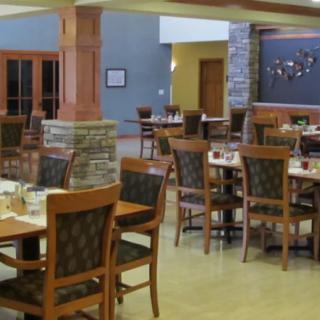
 Dining room
 Fully furnished
 Garden
 Housekeeping services
 Kitchenette
 Move-in coordination
 Outdoor space
 Restaurant-style dining
 Small library
 Telephone
 Wi-Fi/high-speed internet available
 Bemidji-Beltrami County (21 miles away)
 24-hour call system
 Activities of daily living assistance
 Assistance with bathing
 Assistance with dressing
 Assistance with transfers
 Diabetes diet
 Medication management
 Mental wellness program
 Special dietary restrictions

 Encouraging Participation in Adult Day Care: A Guide to Supporting a Hesitant Parent
 Comprehensive Exploration of Living Wills and Other Advance Directives
 A Detailed Exploration of Living Wills and Advance Directives