
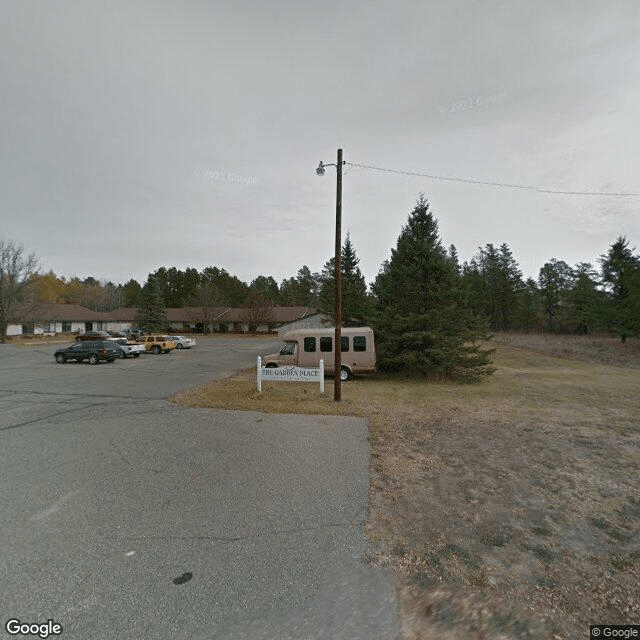
421 6th St NE, Bagley, MN 56621
To contact a resident: (218) 694-2378
For more information about senior living options: (866) 208-4318
Cornerstone Residence Sr Care Costs & Pricing
Cornerstone Residence Senior Care offers competitive pricing for its services compared to both Polk County and the broader Minnesota state averages. For a semi-private room, residents are charged $1,350 per month, which aligns with the county rate but stands in stark contrast to the state's average cost of $4,051. Similarly, studio apartments are priced at $1,450, matching the local county rate yet significantly lower than Minnesota's average of $3,617. This positioning not only underscores Cornerstone's commitment to affordability but also highlights its ability to provide quality senior care without the burden of excessive financial strain on families.
| Floor plans | Cornerstone Residence Sr Care | Polk County | Minnesota |
|---|---|---|---|
| Semi-Private | $1,350 | $1,350 | $4,051 |
| Studio | $1,450 | $1,450 | $3,617 |
Overall Review of Cornerstone Residence Sr Care
Cons
 They believed the facility deserved a low rating.
- The outside of the building needed attention.
- The canopy over the walkway was ripped and blowing in the wind.
- The entrance opened directly into the dining room.
- It needed paint and flooring.
- There was an odor present.
- The nurse on duty had only worked there a couple of weeks.
- There was no folder available to review services or pricing.
- In Memory Care, the door was unlocked and the urine odor was very offensive.
Review
Cornerstone Residence Sr Care in Bagley, MN appears best suited for families seeking a modest, budget-minded assisted living option in town, particularly when a small-community atmosphere and local familiarity matter more than upscale amenities. This community can work for residents with moderate care needs who can be comfortable with a simpler environment and where routines and personal attention may carry more weight than polished interiors. For families prioritizing cost, proximity, and a straightforward care path, Cornerstone can be a practical option. Those looking for highly polished facilities, meticulous upkeep, or extensive, clearly documented memory-care programming should consider alternatives.
From the critiques available, the strongest red flags center on upkeep, safety cues, and clarity around services. The exterior is described as neglected, canopies torn and allowed to flap in the wind, while the entry flows directly into the dining space, which can feel busy and awkward. The interior needs paint and flooring updates, signaling deferred maintenance that can affect daily comfort. More concerning is an unsettling odor reported in the memory care area, a condition that raises questions about cleanliness and odor control. Taken together, these issues suggest basic quality-of-life factors may suffer if not addressed promptly.
Additional fault lines emerge in logistics and staffing. A nurse on duty reportedly had only a few weeks on site, which can translate to limited familiarity with residents and established care routines. Administrative preparation also appears lacking, with a reviewer noting no folder detailing services or pricing to review, precisely the material families need to make informed decisions. The memory care space itself was described as accessible with an unlocked door, introducing safety questions that families rely on facilities to manage rigorously. While these observations are singular, they collectively undermine confidence in consistent, transparent operation.
On the upside, the ratings mix signals that experiences are not uniformly negative: a five-star review exists alongside the mixed two-review dataset. This suggests some residents or families do find value in Cornerstoneā€™s offerings, even if others encounter substantive drawbacks. In practical terms, this means Cornerstone may deliver acceptable, or even satisfactory, results for residents who can work within its current limitations and who prioritize local placement, staff continuity, or lower-cost care over pristine condition and exhaustive program details. The variance in impressions implies that outcomes can hinge on individual staff, room assignments, and daily routines.
The main trade-off hinges on maintenance, transparency, and memory-care reliability versus the potential benefits of a local, lower-cost option. If maintenance is actively addressed and staff become more seasoned with consistent care planning, some of the negative impressions could be mitigated and the community could meet the expectations of families who need a simple, neighborly setting. However, until such improvements are evident, these drawbacks tend to outweigh the advantages for families prioritizing safety, hygiene, and clearly outlined services. Prospective planners should not rely on impression alone but should demand a rigorous on-site tour focused on odor control, safety protocols, staff onboarding, and a complete, written services and pricing package.
For families evaluating Cornerstone, a disciplined, decision-focused approach is essential. Schedule a live tour with direct questions about maintenance schedules and recent updates, request a current services and pricing sheet, and benchmark against nearby options with stronger dementia-care infrastructure and transparent administration. Request references from current residents or families, and observe interactions between staff and residents to gauge responsiveness and warmth. If the facility can demonstrate tangible progress on housekeeping, safety, and clarity, Cornerstone becomes a reasonable local choice; if not, alternatives with proven upkeep and more robust care-management systems should take precedence.
 Assisted Living
 Memory Care
 Activities on-site
 Devotional services off-site
 Indoor common areas
 Bemidji-Beltrami County (21 miles away)
 Ambulatory care
 Diabetic care
 Meals provided
 Small, personalized memory care with 24/7 supervision and comprehensive supports.
 Assisted Living and Memory Care: Understanding Their Core Differences
 Choosing the Right Senior Care: A Detailed Exploration of Assisted Living and Nursing Homes
 Safeguarding Your Memory Through the Golden Years: Eight Ways to Preserve Cognitive Health