517 S Erie St, Three Rivers, MI 49093
To contact a resident: (616) 273-8661
For more information about senior living options: (866) 208-4318
Overall Review of Heartland Health Care Ctr
Pros
 The therapy was great and helped them move and go home sooner than expected.
- The staff were wonderful in caring for residents and made them feel part of a family.
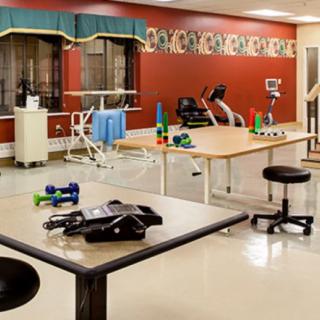
- The rehab department was great and helped residents reach their goals to return home sooner.
- The nurses are wonderful to all residents, and the nurse aides are among the best in patient care.
- The facility is very clean and well maintained.
- The activity staff engages residents, encouraging participation and offering many interesting things to do to promote sociability.
- The facility provides a high quality of life and is praised for its commitment and five-star rating.
- The facility comes highly recommended for both short-term rehab and long-term placement.
Cons
 The garbage bin used to collect bodily wastes was kept in the hallway outside residents' rooms, signaling a poor sanitary condition and an offensively strong odor.
- The supervisor claimed the bins should be kept in the shower room, but that only happened during an announced evaluation.
- The reviewer was unable to visit for most of the 10 months and was not notified when their relative died.
- The director and head nurse were not to be trusted.
- The facility allegedly overmedicated residents and falsified documents to keep a loved one.
- A resident waited over two hours for pain medication.
Review
Heartland Health Care Center in Three Rivers is best suited for seniors who need short- to mid-term rehabilitation and who prize a genuinely caring frontline staff and an active, sociable environment. The facility repeatedly earns praise for its therapy teams, with patients reporting meaningful progress and faster returns home after procedures such as foot surgery. For families seeking a community where nurses and aides seem dedicated to daily patient comfort, and where planned activities aim to keep residents engaged and socially connected, this center can deliver strong, tangible benefits in the rehab window.
Those weighing alternatives should be cautious if reliable governance, transparent medical decision-making, and consistent accountability are non-negotiable. A number of reviews raise red flags about administration and clinical oversight, including concerns that medical decisions were not fully collaborative with families, that medication practices were problematic, and that timely pain management and basic dignity in care could be compromised. For anyone who must protect autonomy, ensure clear, verifiable medical charts, or demand scrupulous oversight from leadership, these issues suggest looking at other options or maintaining a very active, involved presence when selecting Heartland.
The strongest positives – the rehab-focused therapy, the warmth and competence of frontline staff, and a clean, welcoming environment – create a powerful offset for families prioritizing recovery goals. The rehab department is described as proactive and goal-driven, with staff who genuinely seem to care and who work to align therapy plans with individual aims of returning home. The familiarity of two-person rooms and the ability for residents to control room temperature adds a small but meaningful layer of comfort and independence. In many cases, these elements translate into real progress and a sense of dignity during recovery.
However, the critical cons cannot be dismissed as minor or easily dismissed by emphasis on therapy alone. Sanitation lapses, such as a garbage bin used to collect bodily wastes stored in hallways, and odor concerns, raise questions about day-to-day hygiene and attention to basic cleanliness. More troubling are reports of delayed or compromised medical decision-making, including alleged changes to oxygen levels and sleep medications that seemed misaligned with physician orders, as well as attempts to pressure families to sign off on changes. The fear of misdocumentation or overmedication, coupled with reports of rude or untrustworthy administration, creates a safety and trust deficit that many families simply cannot ignore.
In practical terms, these gaps matter most when long oversight and consistent communication are essential. For a resident who requires steady medical governance, ongoing monitoring, or a predictable, fully transparent care plan, Heartland may feel unstable. The contrasting experiences, highly positive feedback from rehab-focused families and sharply negative accounts of administration and daily care, highlight a volatile dynamic: the facility may perform exceptionally well on therapy and basic daily life, yet falter when it comes to governance, documentation integrity, and timely clinical responsiveness. The net effect is a facility that can lift recovery outcomes dramatically for some, while posing real risk and stress for others, depending on shifts, staff available, and how closely families stay involved.
For families making a choice, a disciplined, proactive approach is essential. Schedule detailed meetings with the director and head nurse, request to review medical and medication records, and establish a clear care plan with defined milestones, escalation paths, and regular updates. Visit frequently, observe room and hallway conditions, and ask about how pain management, oxygen therapy, and changes in treatment are communicated and authorized. If choosing Heartland, orient plans toward short-term rehab with explicit exit criteria and a built-in review point to reassess continuation versus transition to long-term care or another facility. If these safeguards cannot be guaranteed, or if governance concerns persist, exploring alternatives with more transparent administration and consistent oversight is prudent. The facility can deliver outstanding rehab and compassionate daily care, but only when governance and accountability are equally strong.
 Skilled Nursing Facility
 Kalamazoo County (21 miles away)




 Fecal Incontinence in Older Adults: A Comprehensive Guide
 Recognizing the Journey: Understanding and Navigating Anticipatory Grief
 Encouraging Participation in Adult Day Care: A Guide to Supporting a Hesitant Parent