For more information about senior living options: (866) 208-4318
4.1 from 124 reviews
5 stars
81
4 stars
18
3 stars
3
2 stars
3
1 stars
19
ProMedica Sterling Heights Costs & Pricing
ProMedica Sterling Heights offers competitive pricing for its accommodations, making it an appealing option for those seeking care. The cost of a semi-private room is $1,695 per month, significantly lower than the average rates in Macomb County and across Michigan, which stand at $3,232 and $3,191 respectively. For individuals considering studio options, ProMedica's monthly fee of $2,495 is also notably more economical than the county's average of $3,840 and the state's average of $3,824. This strategic pricing reflects ProMedica Sterling Heights' commitment to providing quality care while ensuring affordability for residents and their families.
Floor plans
ProMedica Sterling Heights
Macomb County
Michigan
Semi-Private
$1,695
$3,232
$3,189
Studio
$2,495
$3,840
$3,824
Skilled Nursing Facilities with a similar price nearby
Residents frequently describe staff as caring, respectful, and attentive to needs.
Many reviews highlight staff members who treat residents with respect and compassion, and describe frequent encouragement and support during rehab. Families also mention specific people—like nurses, aides, and therapy staff—helping with comfort and daily needs. A smaller set of reviews, however, describe call-light delays or neglect of basic needs, which clashes with the more positive staff experiences.
differentiator34 reviews mention this
Therapy drives most progress
Physical, occupational, and related therapies are repeatedly described as helpful for recovery.
Therapy is a core focus across reviews, with residents and families describing PT/OT that supports regaining strength and mobility. Several reviewers say therapy staff teach useful techniques and push residents appropriately without feeling overbearing. Even in reviews that criticize other parts of the stay, therapy is often mentioned as a standout area.
caveat21 reviews mention this
Food quality is a recurring complaint
Food quality and portion size are often criticized in the reviews.
A recurring theme is dissatisfaction with meal size, taste, temperature, and consistency. Some reviews describe food as bland, cold, or not matching what was expected, including examples of very small portions. While a few residents say food is fair or even good, the volume of negative comments makes food one of the most likely day-to-day frustrations.
caveat15 reviews mention this
Call light response time varies
Some residents report slow or inadequate response to call lights.
Alongside positive experiences, multiple reviews describe delays when residents need help, including difficulty getting basic needs met. A number of accounts specifically call out call-button response problems, especially around nighttime or urgent requests. These reports are serious enough that they meaningfully temper the otherwise strong praise for care and therapy.
common7 reviews mention this
Concierge support improves the experience
Residents and families frequently mention concierge help from Keisha.
Several reviews single out concierge support—especially Keisha—for being helpful, responsive, and reassuring for families. A few accounts describe concierge check-ins that make it easier to get questions answered and help with coordination during the stay. This theme is tied more to the support experience and communication than to clinical outcomes.
common5 reviews mention this
Cleanliness gets mixed reactions
Reviews mention cleanliness as both a strength and an area to improve.
Some reviewers describe the facility as clean, with tidy rooms and housekeeping keeping spaces maintained. Others express concerns about cleanliness in common areas or describe the environment as dirty. Overall, cleanliness appears to be inconsistent across reviewers rather than universally praised.
How we summarize
Counts show how many written reviews mention each theme; a review can touch several themes, and only frequently mentioned themes are displayed.
Features
Types of Care
Skilled Nursing Facility
Care Services
High acuity care
Nearby Places of Interest
Sterling Heights, Michigan, offers a range of amenities and services in close proximity to potential senior living options. From restaurants like Great Baraboo Brewing Company and El Charro Mexican Restaurant to cafes such as Biggby Coffee and Starbucks, there are plenty of dining options to choose from. Nearby pharmacies like CVS Pharmacy and Rite Aid provide convenient access to medication and healthcare supplies. For outdoor recreation, residents can enjoy parks like Dodge Park and McKinley Park. Medical facilities like McLaren Macomb and St John Macomb Hospital ensure quality healthcare services are readily available. Additionally, there are places of worship such as Shelby Bible Church for spiritual support. With easy access to theaters like MJR Partridge Creek Digital Cinema 14, seniors have opportunities for entertainment and social engagement within the community.
Restaurants
Great Baraboo Brewing Company (1.5 miles)
Gator Jake's Bar & Grill (2.3 miles)
J. Baldwin's (2.5 miles)
McDonald's (2.6 miles)
McDonald's (2.6 miles)
Popeyes Louisiana Kitchen (2.7 miles)
El Charro Mexican Restaurant (3.1 miles)
Pharmacies
CVS Pharmacy (1.5 miles)
Rite Aid (1.9 miles)
Meijer Pharmacy (2 miles)
Meijer Pharmacy (2.1 miles)
Meijer Pharmacy (2.2 miles)
Rite Aid (2.4 miles)
Walgreens (2.7 miles)
Parks
Dodge Park (1.8 miles)
Clinton Township Parks & Recreation (3.2 miles)
McKinley Park (3.5 miles)
Whispering Woods Park (4.7 miles)
Wilson Park (5.1 miles)
Waldenburg Park (5.5 miles)
Cafes
Biggby Coffee (1.9 miles)
Panera Bread (3.7 miles)
Starbucks (4.1 miles)
Starbucks (4.6 miles)
Panera Bread (4.8 miles)
Starbucks (5.4 miles)
Starbucks (5.6 miles)
Physicians
Midwest Center For Dermatology (3.6 miles)
Henry Ford Macomb Family Medicine & Gynecology (3.6 miles)
Mmi Dr M Chen (3.7 miles)
Partridge Creek Center For Womens Health (4.4 miles)
McLaren Building (4.9 miles)
St John Ob/Gyn Associates (5.1 miles)
Sterling Physicians (5.3 miles)
Theaters
MJR Partridge Creek Digital Cinema 14 (4 miles)
AMC Star Gratiot 15 (4.6 miles)
AMC Forum 3 (4.9 miles)
Hospitals
McLaren Macomb - Emergency Department (4.7 miles)
St John Macomb Hospital (4.9 miles)
St John Macomb-Oakland Hospital Warren Emergency Care (4.9 miles)
ProMedica Sterling Heights offers competitive pricing for its accommodations, making it an appealing option for those seeking care. The cost of a semi-private room is $1,695 per month, significantly lower than the average rates in Macomb County and across Michigan, which stand at $3,232 and $3,191 respectively. For individuals considering studio options, ProMedica's monthly fee of $2,495 is also notably more economical than the county's average of $3,840 and the state's average of $3,824. This strategic pricing reflects ProMedica Sterling Heights' commitment to providing quality care while ensuring affordability for residents and their families.
Senior move management provides specialized support for older adults relocating by assisting with logistics, emotional challenges, and downsizing decisions to ensure a smooth transition to new living environments. These services address the unique needs of seniors and have become increasingly important as baby boomers retire and seek to downsize.
Weight training is vital for seniors to maintain muscle mass, bone density, and overall health, combating age-related declines through customized resistance exercises that enhance balance and well-being. Safe routines should start with realistic goals and proper form, while emphasizing gradual progress and consultations with healthcare providers to ensure safety and effectiveness.
The Sandwich Generation comprises adults managing the dual responsibilities of caring for aging parents and raising children, leading to significant emotional, logistical, and financial challenges. This situation is exacerbated by longer life expectancies and cultural expectations, necessitating effective coping strategies and support resources to alleviate caregiver stress and burnout.
Get PricingAsk A QuestionSchedule A TourContact Senior Advisor
By clicking submit, you agree to our Partner's Terms of Use. You
also consent to receive calls and texts, which may be autodialed, from our Partner. Your consent is not a condition to
using our Partner's service. Please visit our Partner's Privacy Policy for information about their privacy practices.

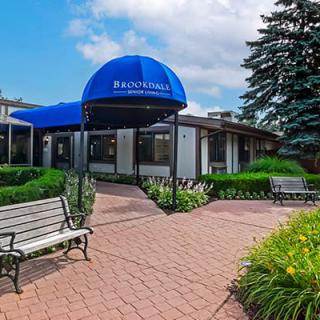
 Skilled Nursing Facility
 High acuity care
 Extensive amenities and transportation options.

 Senior Move Management: Understanding the Role, Value, and Associated Costs
 Weight Training for Seniors: Building Strength and Vitality
 Understanding the Sandwich Generation: Stress and Responsibilities for Multigenerational Caregivers