
50 North Perry Street, 1St Foor, Pontiac, MI 48342
For more information about senior living options: (866) 208-4318
Overall Review of Oakland Manor Nursing & Rehab Center
Pros
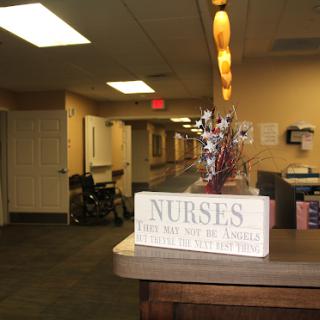
 The staff at Oakland Manor is great and takes great care of residents.
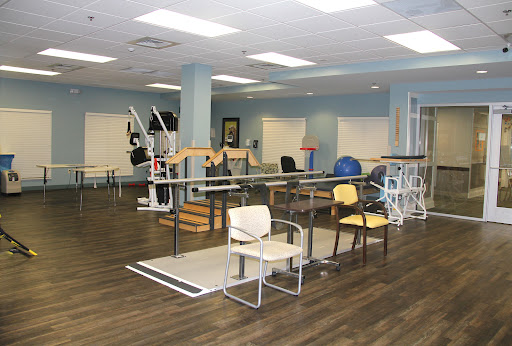
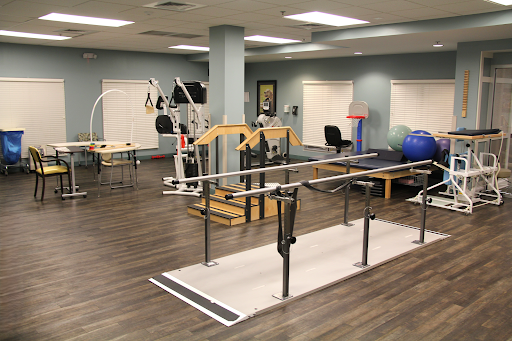
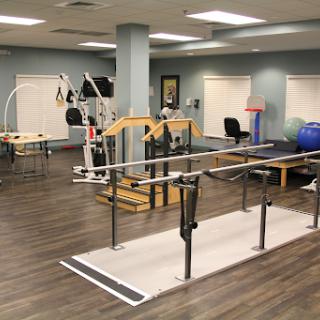
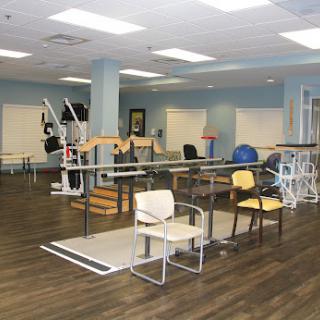
- The physical therapy and occupational therapy are excellent and effective.
- The care team provides excellent care and tirelessly advocates for residents.
- Residents regain balance and can stand and walk short distances thanks to therapy.
- The staff are attentive, compassionate, and readily available to answer questions.
- Tracey, the activity coordinator, is excellent and contributes to a positive environment.
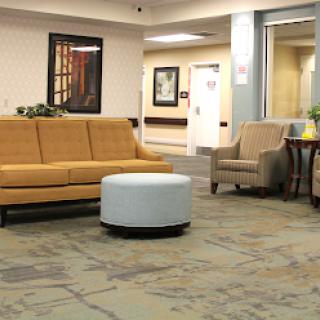
- The facility is clean, professional, and the staff are helpful and caring.
- The facility is highly recommended for therapy and rehabilitation.
Cons
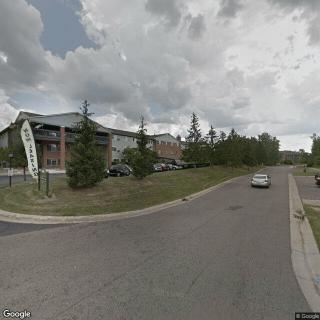
 The first impression was dirty, dingy, peeling wallpaper, and there was no parking.
- One reviewer would refuse care at this facility.
- The night and weekend staff were not as skilled and were often more careless.
- A reviewer claimed a loved one was mistreated, physically abused, and left alone for hours by the nursing staff and therapists.
- A doctor allegedly refused to provide written care and did not follow the surgeon’s instructions, leading to an early discharge.
- The facility lacked convenient services (such as a hair salon or laundry) and had parking issues.
- The staff were accused of pressuring families to assume financial responsibilities they were not legally obligated to pay.
Review
Oakland Manor Nursing & Rehab Center in Pontiac is best suited for families seeking short- to mid-term skilled nursing care with a robust rehabilitation program. It stands out for residents who are recovering from a stroke, major surgery, or a fall and need intensive physical and occupational therapy to regain mobility and safety. The facility’s placement next to McLaren Oakland hospital gives it an edge for smooth medical transitions and quick access to hospital services if complications arise, a practical advantage for families prioritizing continuity of care during a vulnerable recovery period.
For those who want a setting with abundant on-site amenities or a consistently quieter, more controlled daily rhythm, alternatives may be worth exploring. A few reviews flag rough first impressions, limited on-site services such as hair care or laundry, and parking challenges. More importantly, there are families who prize uniform 24/7 staffing quality and ironclad communications; the spectrum of experiences here includes reports of inconsistent night and weekend staffing and occasional disconnects between therapy plans and family updates. A single, highly concerning review alleging mistreatment also warrants careful scrutiny and due diligence before choosing this community.
The strongest case for Oakland Manor rests on its therapy-centered strengths. Multiple reviewers praise physical therapy and occupational therapy as excellent, with meaningful gains in balance and functional independence after a few weeks. The care team is repeatedly described as attentive, compassionate, and genuinely invested in patient well-being, with therapists, nurses, and aides who respond to questions and seek patient comfort. Administration and support staff, including activity coordinators and front-desk personnel, are cited as professional, accessible, and enthusiastic about residents’ recovery and daily needs. In short, for post-acute rehab goals, the pros align well with the core mission of helping residents regain independence.
Yet the facility is not without friction. Some comments point to environmental and logistical drawbacks that can color the experience. A handful of reviewers describe a dirty or dingy initial impression and note parking as a recurring hassle. The absence of certain conveniences (on-site salon, laundry) and occasional gaps in communication about therapy plans can leave families feeling out of the loop during critical phases of rehab. There are also practical cautions about staffing consistency; the best outcomes seem to occur when families stay engaged, ask detailed questions, and request regular updates to therapy goals and progress. And while most staffers are praised for kindness and competence, one extremely negative report raises red flags about elder mistreatment, underscoring the need for thorough, in-person evaluation and ongoing oversight.
Overall, the pros primarily offset many of the cons for the typical post-acute patient, but not for everyone. The bottom line is that Oakland Manor delivers the leverage of strong rehabilitation outcomes, verified by patient-to-family testimonials about improved mobility, better balance, and more secure independence. The hospital-adjacent location, paired with a supportive care team that advocates for patient needs and insurance coverage, creates a practical, confidence-building path to recovery. The concerns, environmental impressions, communication gaps, and staffing consistency, are real and significant, yet they can be mitigated with proactive family involvement, clear care-planning, and direct conversations with therapy leads and nursing leadership.
For families weighing this option, a disciplined due-diligence sequence is essential. Schedule a tour and observe therapy sessions, speak directly with the lead therapists about individualized plans and measurable goals, and request a written outline of daily schedules and visitation expectations. Probe the nursing staff rotation timing, especially evenings and weekends, and ask how updates are delivered to families, whether through daily calls, electronic portals, or family meetings. Review the facility’s process for handling grievances and incident reports, and ask about smell, cleanliness, and room upkeep as you would expect in a long-term residence. Finally, verify parking logistics, nearby amenities, and the availability of any services that matter most to you and your loved one.
In the end, Oakland Manor offers credible, practical value for families prioritizing a strong, therapy-forward rehabilitation trajectory and a staff culture that frequently earns praise for care, empathy, and effectiveness. It is a compelling choice for post-acute recovery, with the caveat that due diligence is essential to navigate environmental quirks, communication gaps, and the rare but serious concerns that appear in the broader feedback. When select families engage early and insist on aligned care plans, this community can be a turning point toward renewed independence and safer daily living.
 29 resident community capacity
 Skilled Nursing Facility
 Beauty salon
 Cable or satellite TV
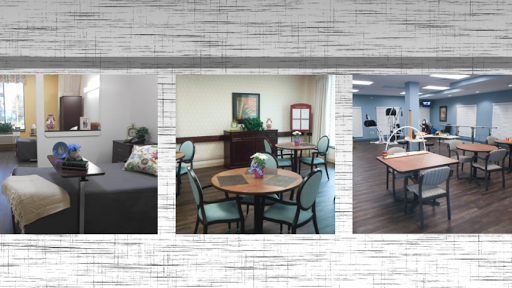
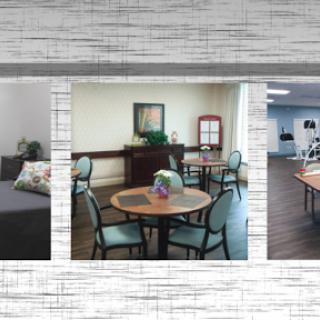
 Dining room
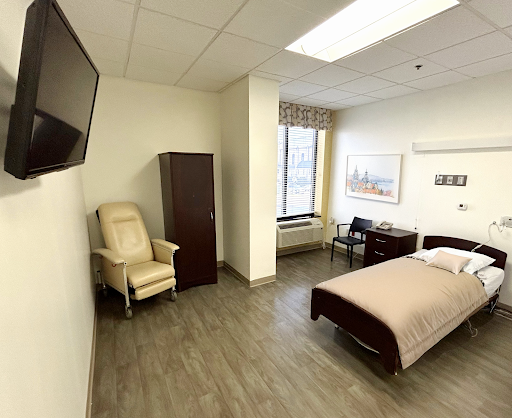
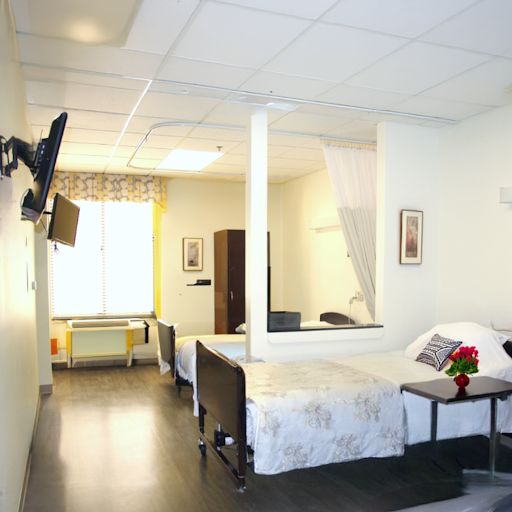
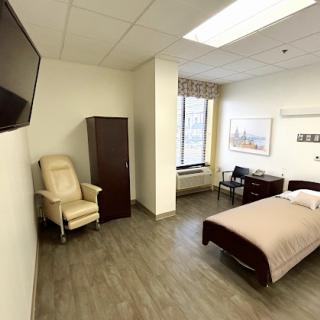
 Fully furnished
 Garden
 Housekeeping services
 Kitchenette
 Move-in coordination
 Outdoor space
 Restaurant-style dining
 Small library
 Telephone
 Wi-Fi/high-speed internet available
 24-hour call system
 Activities of daily living assistance
 Assistance with bathing
 Assistance with dressing
 Assistance with transfers
 Diabetes diet
 Medication management
 Mental wellness program
 Special dietary restrictions




 8 Essential Assistive Devices for Older Adults
 Navigating the Financial Road to Nursing Home Care: In-Depth Guidance and Resources
 Supportive Employee Benefits That Help Caregivers Attain Better Work-Life Harmony