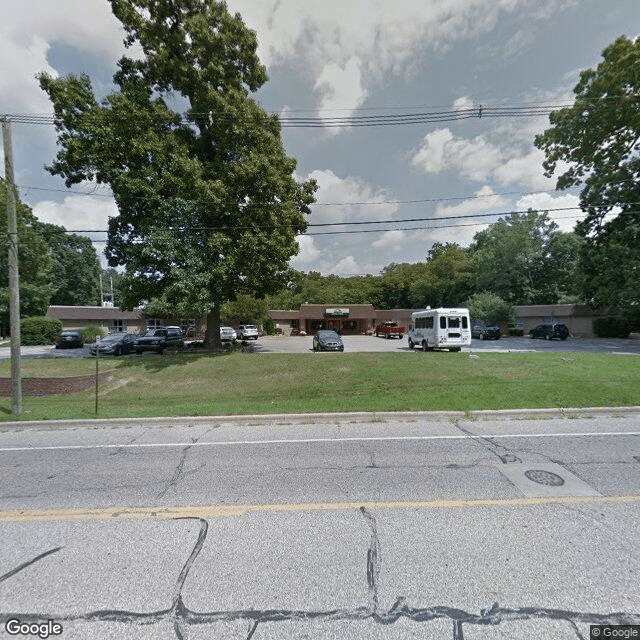
911 S 3rd St, Niles, MI 49120
To contact a resident: (616) 684-4320
For more information about senior living options: (866) 208-4318
Overall Review of Silverbrook Manor Inc
Pros
 The staff at Chalet of Niles are very caring.
- The administrator is highly regarded by residents and families.
- The food at Chalet of Niles is good.
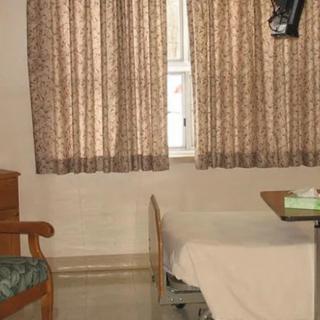
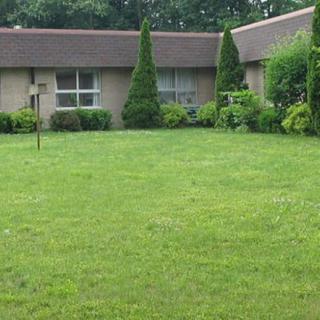
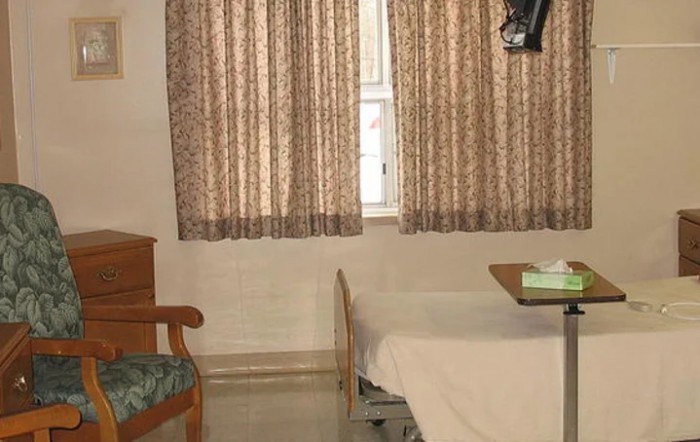
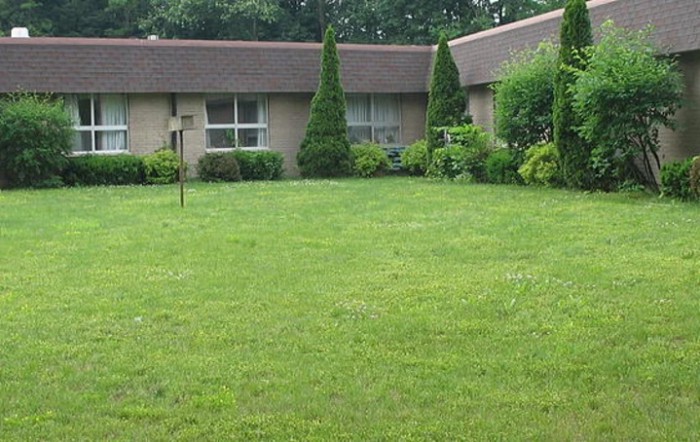
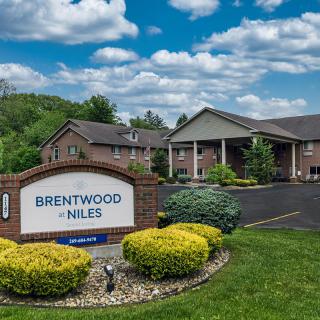
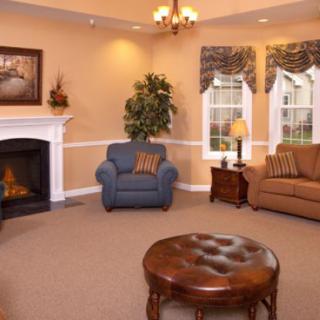
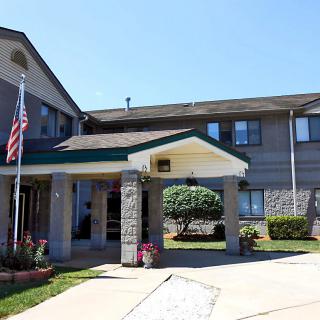
- The facility is well-maintained and the rooms are nice.
- The staff performed admirably during the pandemic.
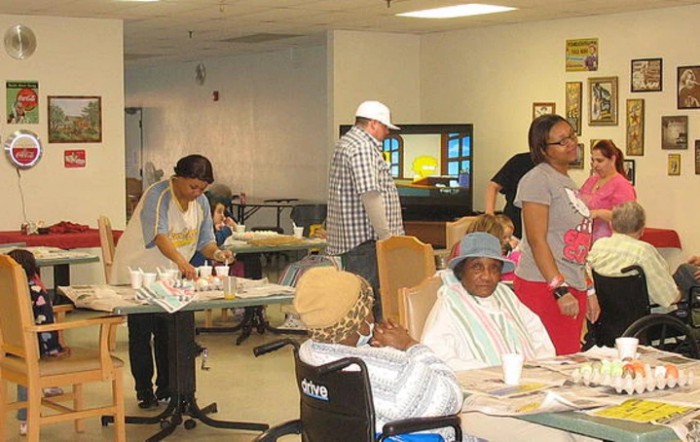
- Residents can participate in dining and activities, including bingo.
- The resident council president is engaged and valued.
- Chalet of Niles is professional, caring, and loving.
Cons
 They have been having problems with her healthcare.
- She has the propensity to bawl, and her needs have increased.
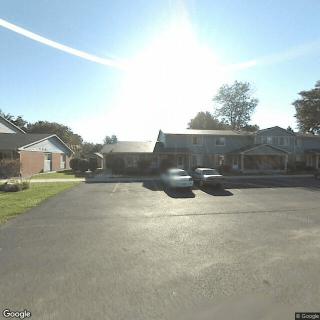
- The facility is older.
Review
Silverbrook Manor Inc in Niles, MI is best suited for families seeking a warm, person-centered environment where caregivers demonstrate genuine compassion, meals are consistently reliable, and residents can stay socially engaged through structured activities. The kind of experience that tends to resonate here is one where staff are attentive, leadership is approachable, and daily life centers on community connections rather than clinical distance. In practical terms, this means residents feel seen, families feel heard, and routines, meals, chats with staff, and familiar activities, remain a steady norm. The strongest signal for this profile comes from the nearby example of a similarly oriented setting, where care staff and administrators earned trust by delivering steady, everyday quality and by fostering meaningful resident engagement.
Those who may want to consider alternatives are families pursuing a more modern aesthetic or those prioritizing filled-to-the-brim amenities and advanced medical tech in a single campus. If a resident requires highly specialized, around-the-clock medical oversight, or if a brand-new facility with cutting-edge design and the latest accessibility features is nonnegotiable, it makes sense to weigh other options. Likewise, communities that promise glossy renovations, expansive common areas, or on-site medical suites as a primary selling point may better suit households that equate high-end surroundings with safety or convenience. Silverbrook’s value proposition does not hinge on showroom quality; it hinges on consistent, personable care delivered within an older, well-maintained framework.
The core advantages here are concrete and durable. First is the staff, an environment where caregiver warmth translates into calmer days for residents, more reliable communication for families, and a track record of handling increasing care needs with patience and professionalism. Second is the administrator’s visibility and approachability; when leadership is accessible and respected, families gain confidence that concerns will be heard and addressed promptly. Third is dining quality, which matters not only for nutrition but for daily enjoyment; dependable meals become a reassuring constant rather than a frequent source of compromise. Fourth is a robust activity program and resident involvement; even a facility with an older footprint can foster spirited engagement through events like bingo and other social opportunities, helping residents maintain purpose and connection.
The review also highlights that an older building, when well cared for, does not have to translate into a diminished experience. The positives, clean, comfortable rooms; attentiveness to residents’ preferences; and an atmosphere that supports autonomy and participation, alter the calculus: the main drawback becomes the potential for dated spaces or limited modern conveniences. This is not an indictment but a practical note. Families should verify room sizes and safety features, check on elevator access if applicable, and inquire about renovations or planned updates. The presence of active resident leadership, as described in the linked perspective, suggests a culture where residents can influence activities and routines, which often offsets some of the intangible frictions that come with older facilities.
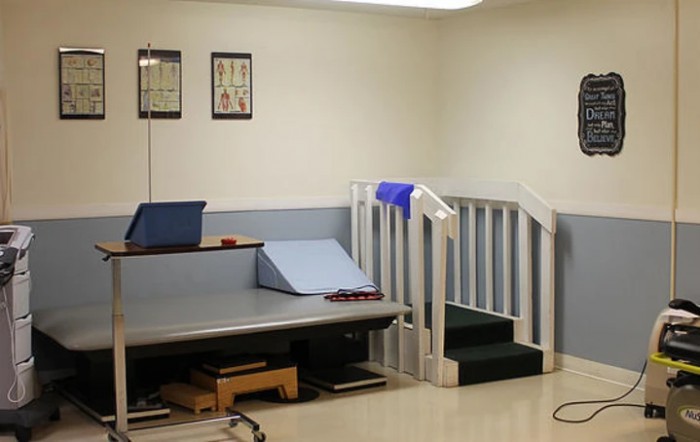
To make a well-founded decision, visit with a focused checklist. Observe care staff interactions, ask about staff-to-resident ratios on different shifts, and assess how quickly needs are acknowledged and acted upon. Probe the administrator’s accessibility, the transparency of billing and services, and the quality and variety of meals. Review the activity calendar, opportunities for resident governance, and transportation options for social outings. Inquire about safety features, updating plans, and the facility’s approach to mobility and independence. These questions illuminate whether the Silverbrook experience, interpreted through the best attributes illustrated by the reviewed setting, aligns with the resident’s priorities.
In the end, Silverbrook Manor appears especially well-suited for families prioritizing warmth, consistency, and a strong sense of community over showroom polish. It offers a reliable, compassionate caregiving culture, dependable dining, accessible leadership, and opportunities for meaningful resident involvement, elements that often yield a high quality of daily life. Those for whom modern amenities, cutting-edge medical facilities, or ultra-luxe surroundings are nonnegotiable should consider alternatives. For residents with evolving care needs who value relationship-driven care and a livable, older-but-well-kept environment, Silverbrook Manor represents a trustworthy, practical choice built on core human strengths.
 Skilled Nursing Facility
 South Bend Regional (8 miles away)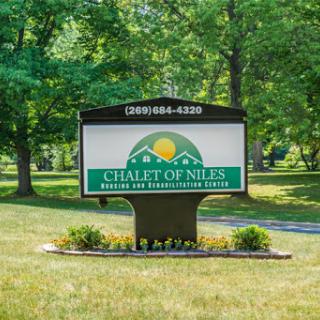

 6 Crucial Ways an Elder Law Attorney Assists Families
 Navigating the Tax Landscape of Caregiving: Credits, Deductions, and Beyond
 Highly Beneficial Low-Impact Exercises for Senior Living Residents