
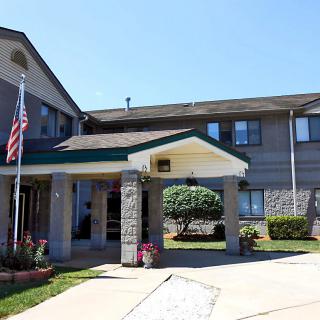
706 Hickory Street, Niles, MI 49120
For more information about senior living options: (866) 208-4318
Overall Review of Alex Adult Foster Care Home
Pros
 A young staff member helped residents with baths.
 - The reviewer was a Blessed Home resident for at least two years.
- The reviewer prays for guidance and intercession on behalf of the home’s residents.
- The reviewer remains hopeful and seeks blessings and guidance from God.
- The reviewer expresses care for the Blessed Home residents and asks for prayers.
Cons
 The place is described as nasty, resembling a prison dungeon, with no running water in the bathroom and residents forced to fill a bucket to wash up.
- There was feces on the wall near a resident’s face, and people would pee on the floor with no one cleaning it up.
- The staff are not nice, and the owner is described the same way; medications are mishandled, often doubled or tripled or given as other people’s meds.
- A roommate who had fallen was ignored and yelled at, while staff failed to assist properly.
- The phone system is unreliable: cords ripped out, calls to 911 blocked, and there is no one to contact when the owner is away.
- Eviction notices label residents as troublemakers and give them days to adjust; residents also refer to the place as a damn-to-hell home.
Review
This community is best suited for residents who have very limited options and whose families are prepared to provide constant, vigilant oversight. The setting is a small, home-like arrangement in which safety and care quality appear to rely heavily on who is present at any moment, not on consistent systems or reliable accountability. In practical terms, this option only makes sense for a situation where a family can closely monitor daily care, enforce basic safety standards, and step in quickly if problems arise. Without that level of scrutiny, the risks documented by multiple residents suggest that conditions will deteriorate quickly and that urgent interventions may be needed.
Anyone prioritizing safety, predictable medication management, and respectful treatment should consider alternatives. This is not a facility to rely on for dementia- or disability-specific supervision, complex medical needs, or regular, calm handling of personal care. Families should look for licensed, professionally managed settings with transparent staffing, clear policies, and a track record of responsive problem-solving. Prospective residents who require documented routines, consistent supervision, and a responsive owner or administrator will find better alignment elsewhere. In short, this option does not meet the needs of those who cannot advocate relentlessly for their own safety and dignity.
The few potential advantages of a compact, intimate setting do not meaningfully offset the core drawbacks. A smaller home can feel convenient or less clinical in theory, but the absence of disciplined oversight, clean and safe environments, and reliable medication practices negates any convenience. When the atmosphere is governed by unpredictable staff behavior, inconsistent med administration, and the sense that concerns are dismissed or dismissed as problems, the supposed benefits fade. In this case, the alleged intimate setting cannot compensate for chronic safety and quality issues.
The most troubling themes across the reported experiences are acute safety hazards and management failures. Instances of rooms and bathrooms lacking basic cleanliness, residents going without adequate hygiene, and even evidence of residents’ medications being mishandled or improperly matched are stark red flags. Reports of staff raising voices, responding with anger, or failing to intervene when a resident is distressed point to systemic problems in ethics, training, and supervisory oversight. The lack of reliable contact when the owner is away, leaving families with no trusted channel for urgent questions or complaints, further erodes trust and increases risk, especially for residents with higher care needs or cognitive challenges.
For families evaluating options, prioritize facilities with licensed administration, documented staff ratios, medication management protocols, and clear escalation procedures. Ask prospective providers about how they handle med reconciliations, how they respond to behavioral or safety incidents, and whether residents or families can reach a supervisor after hours. Verify licensing status and review any state or local complaint histories, along with tours that include conversations with current residents about daily routines, housekeeping, and emergency responsiveness. Seek operators who publish transparent policies, maintain clean, hazard-free environments, and demonstrate consistent, respectful communication with families and residents alike.
Bottom line: this particular community should not be your first choice for anyone requiring dependable safety, consistent medical oversight, or dignified daily living. Alternatives with proven staffing stability, cleaner facilities, and clear governance will almost certainly offer far stronger value and protection. If choosing a smaller, more personal setting, insist on verifiable proof of quality control, active administrator involvement, and a demonstrable commitment to residents’ well-being. Informed families will favor options that make safety plan, accountability, and respectful care non-negotiable, not optional add-ons.
 6 resident community capacity
 Assisted Living
 Cable or satellite TV
 Dining room
 Fully furnished
 Garden
 Housekeeping services
 Move-in coordination
 Outdoor space
 Telephone
 Wi-Fi/high-speed internet available
 South Bend Regional (9 miles away)
 24-hour supervision
 Activities of daily living assistance
 Assistance with bathing
 Assistance with dressing
 Assistance with transfers
 Diabetes diet
 Meal preparation and service
 Medication management
 Special dietary restrictions
 Transportation arrangement (medical)
 Transportation to doctors appointments




 Choosing the Right Senior Care: A Detailed Exploration of Assisted Living and Nursing Homes
 Understanding the True Cost of Assisted Living in 2025: A Comprehensive Guide
 Understanding Medicaid Coverage for Assisted Living: A Comprehensive Guide