
570 South Harvey Street, Muskegon, MI 49442
For more information about senior living options: (866) 208-4318
Overall Review of Sanctuary At The Park
Pros
 The staff at Sanctuary at the Park works hard to protect residents from COVID-19 and keeps families updated on changes.
- The nurses are caring and spend ample time with patients, with families able to have questions answered.
- The staff are extremely pleasant and kind, contributing to a friendly and relaxing environment.
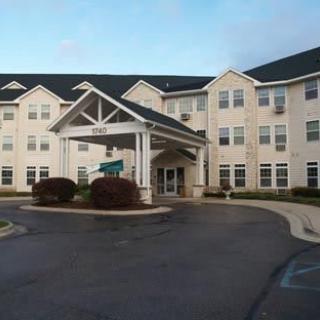
- The facility is clean and welcoming, with flexible dining options and generally good food.
- The campus features a bird sanctuary and a lively schedule of activities, such as sing-alongs, bingo, and outdoor events.
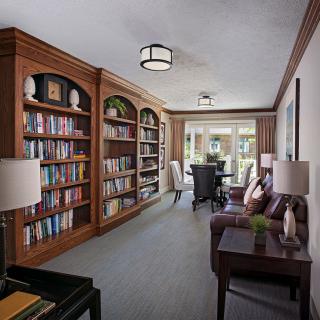
- The interior is beautiful, and residents may keep cats, which adds to the home-like atmosphere.
Cons
 The reviewer felt that the staff should have left her grandmother and herself alone during visits.
- The staff asked the reviewer a lot of questions that did not relate to her grandmother.
- When the grandmother became ill and needed hospital care, it took two days for the staff to arrange transportation to the hospital.
- The family was not notified for two days about the grandmother's hospitalization.
- The meals were not always to the reviewer’s liking.
Review
Sanctuary at the Park in Muskegon is best for seniors who want an active, caregiver-forward assisted-living experience where companionship and hands-on care are constant. It suits couples or roommates comfortable sharing a two-person room with a shared bathroom, delivering a homey, approachable setting rather than a hospital-like atmosphere. The environment emphasizes warmth and accessibility, not pristine perfection, yet remains clean and welcoming. A robust social calendar, bird sanctuary visits, sing-alongs, bingo, ice cream socials, Halloween hallway events, and outdoor barbecues, keeps residents engaged and connected to family life. The nursing and caregiving team is repeatedly praised for patience and availability, a decisive factor for families navigating transitions toward rehabilitation or more independent living.
But this community is not the best fit for every senior. Those prioritizing privacy or needing rapid, always-on medical escalation should look elsewhere. The room layout reinforces this: two residents share a single bathroom setup that serves four, with showers limited to twice weekly. For some, that arrangement feels restrictive, especially if daily routines, private downtime, or more frequent personal care are important. Menu satisfaction also varies, and while staff respond to questions, some visiting family members felt their inquiries were handled with more scrutiny than desired. Most serious concerns center on how medical needs are escalated and how families are notified; there are accounts of delays in hospital transfers and gaps in timely family outreach. Residents who prize private accommodations, more immediate clinical oversight, or tighter communication with loved ones may want to consider alternatives.
On the upside, the care culture remains consistently warm and attentive. Nurses invest meaningful time with residents and families, working to clarify care plans and respond to questions with patience. Rehab potential stands out, with stories of extended stays that yielded tangible progress, suggesting a useful environment for post-acute recovery or injury rehabilitation. The setting leans into social engagement rather than isolation, with a bird sanctuary, hands-on activities, and community events that foster a sense of belonging. Indoors, the space feels welcoming rather than stark, and the courtyard offers accessible walking or wheelchair-friendly strolling. For some residents, a cat-friendly arrangement is possible, reflecting a degree of resident-centered flexibility that can be meaningful for those who value pet companionship.
Those strengths do not erase the caveats. The most consequential friction points revolve around privacy, personal autonomy, and communications during health events. The shared-room model and limited bathroom access can dampen private routines, while dining, though flexible, may not always align with individual tastes. Perhaps more troubling are the inconsistent timelines around medical escalation and family notification, which can undermine confidence during a health downturn. These aren't universal flaws, but they are sufficiently documented to demand careful scrutiny for anyone evaluating this community for a parent or spouse with complex medical needs. The decision hinges on weighing the value of a lively, supportive environment against the desire for greater privacy and quicker clinical responsiveness.
Prospective families should come prepared with a practical checklist. Confirm exact room configurations and whether private options exist or can be added temporarily. Verify shower access frequency and whether private rooms are ever available for short or extended stays. Inquire about hospital transfer protocols, expected response times, and the cadence of family communications during health events. Observe operations during meals and activities to gauge whether staff responsiveness translates into real relief for residents and families. If privacy, private living space, and rapid medical escalation are non-negotiable, position Sanctuary at the Park alongside alternatives that offer private suites, higher staffing ratios, and clearer emergency-notification procedures.
In practical terms, Sanctuary at the Park represents a pragmatic choice for families prioritizing a warm, engaged caregiver ecosystem and a robust social life over private space. It is well-suited for residents who value daily interaction with staff, meaningful rehabilitation opportunities, and a welcoming, inclusive atmosphere where family participation is encouraged. For those who cannot compromise on privacy, private accommodations during visits, or timely medical escalation, other Muskegon options with private suites and more explicit emergency protocols should rank higher. The right fit rests on aligning personal priorities, privacy and immediacy of medical decisions versus social engagement and staff accessibility, with the community’s proven strengths.
 99 resident community capacity
 Skilled Nursing Facility
 Air-conditioning
 Beauty salon
 Cable or satellite TV
 Computer center
 Dining room
 Fitness room
 Fully furnished
 Gaming room
 Garden
 Housekeeping services
 Kitchenette
 Move-in coordination
 Outdoor space
 Private bathrooms
 Restaurant-style dining
 Small library
 Telephone
 Wellness center
 Wi-Fi/high-speed internet available
 Muskegon County (5 miles away)
 Community operated transportation
 12-16 hour nursing
 24-hour call system
 Activities of daily living assistance
 Assistance with bathing
 Assistance with dressing
 Assistance with transfers
 Diabetes diet
 Medication management
 Mental wellness program
 Special dietary restrictions
 Concierge services
 Planned day trips


 Comprehensive Insights into Palliative Home Care: What It Is and What to Expect
 Skilled Nursing Facilities vs. Nursing Homes: Making Sense of the Differences
 A Detailed Examination of Nursing Home Costs Across the U.S.