
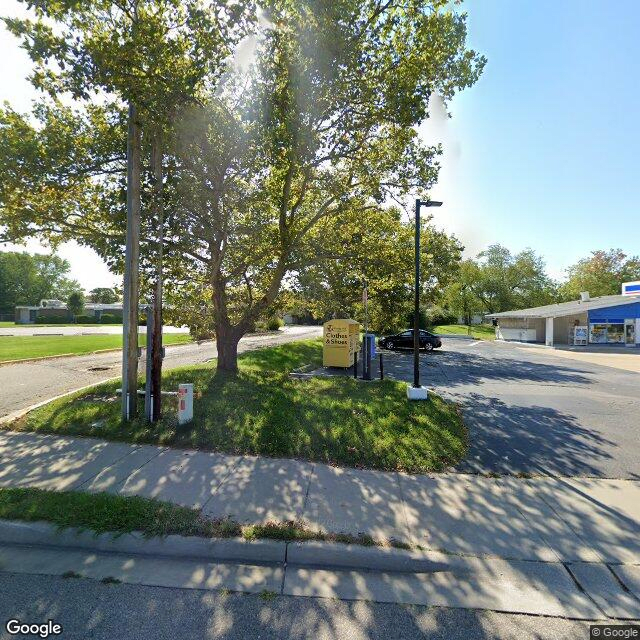
3625 W Michigan Ave, Kalamazoo, MI 49006
To contact a resident: (269) 375-4550
For more information about senior living options: (866) 208-4318
Overall Review of Hallmark
Pros
 The facility has come a long way and has a great future.
- Teamwork among aides ensures quality care and strong staff support.
- The staff is very nice and accommodating to residents.
- Rehab services were beneficial for residents.
- The facility is well-kept and reasonably priced.
- The facilities are clean, tidy, and run in an orderly and timely fashion.
- The nursing staff is vibrant and friendly.
Cons
 The resident found the place repulsive and the worst experience of their life, and would never refer their worst enemy there for care.
- They left their friend in his own filth for hours and disliked the staff's attitude toward the patients.
Review
This community is best suited for seniors who need skilled nursing or short-term rehab in a hospital-like setting and who value a clean, orderly environment with active daily routines. It works well for families that prioritize staffing responsiveness when care plans are in motion and who want a facility that coordinates therapy, meals, and activities in a structured, predictable way. Those who thrive in a larger campus atmosphere with defined wings for different levels of need will find Hallmark aligned with their expectations, especially when the emphasis is on teamwork among aides and a comprehensive rehab program. However, this is not the right choice for someone seeking consistently flawless care or a memory-care focus with relentless, highly personalized oversight.
Alternatives become worth considering for anyone who has seen or fears neglect, or who requires an ultra-consistent, caregiver-first culture. Several reviews flag serious lapses in daily care, including instances where residents were left unattended for long periods or treated with dismissive attitudes. Families confronting those concerns should strongly weigh other options, smaller homes with transparent staffing, facilities with dedicated memory-care units, or centers with demonstrably lower risk of neglect or staff disengagement. In short, Hallmark suits those who can tolerate potential variability and are prepared to monitor care closely.
On the positive side, the strongest pro is the visible commitment of staff when the team is functioning well. When aides work cohesively, care improves markedly, with residents receiving attentive support and a focus on rehabilitation goals. The facility has earned praise for its housekeeping standards, crisp routines, and the sense that operations run in a timely, orderly fashion. Residents benefit from active nursing engagement, a substantive rehab orientation, and programming that keeps people engaged, elements that translate into meaningful progress for short-term stays and a steadier quality of life for longer-term residents. The dining program, described as above-average with variety and fresh options, adds to the overall perception of livability.
Yet the cons call for a sober assessment. The most damaging themes across reviews center on neglectful or negative staff behavior and inconsistent care quality. Two stark reports describe residents left in unsanitary conditions or staff attitudes that undermine trust. This kind of variability is not minor, it changes the daily experience from comforting to concerning and raises questions about oversight, accountability, and staff training. The architectural and operational layout, a hospital-like campus with wings segregating residents by age or cognitive state, can help specialized care, but it can also magnify inconsistencies if not paired with steady leadership and robust staff supervision.
These pros and cons intersect in a way that benefits certain residents and flags risk for others. Where care teams are energized, with supportive aides and responsive nursing, the rehab focus, cleanliness, and activity programming can offset the inconvenience of a larger facility, delivering a respectable level of care at a reasonable price. When staffing is uneven or attitudes sour, those same strengths fail to compensate, and the risk of neglect or poor communication becomes the overriding factor guiding a decision. For families footing the bill, the value proposition holds if ongoing monitoring and clear escalation paths are in place.
In the end, decisive action hinges on an informed, hands-on evaluation. Prospective residents and families should insist on a direct, in-person tour during peak activity: observe how staff interact with residents, test response times at call bells, and ask to speak with current residents and families about day-to-day satisfaction. Clarify the facility’s memory-care capabilities and how transitions between wings are managed, then compare with smaller centers or specialized units that prioritize consistent caregiver-to-resident ratios. If choosing Hallmark, secure a written care plan with specific staffing commitments, daily schedules, and a plan for rapid escalation of concerns; if those assurances are missing or inconsistent, alternatives that emphasize intimate staff engagement and rigorous quality monitoring deserve the upper hand.
 Skilled Nursing Facility
 Kalamazoo County (5 miles away)


 Understanding Home Health Care: A Comprehensive Guide
 Home Health Care Demystified: A Comprehensive Guide for Families and Caregivers
 Seniors and Modern Transportation: Exploring Uber, Lyft, and Other Ride-Hailing Options