Beaumont Rehab & Skilled Nursing Center - Westboro in Westborough, MA

Save

  • Interior

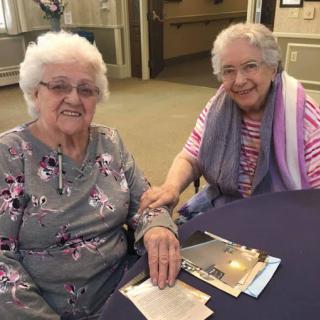
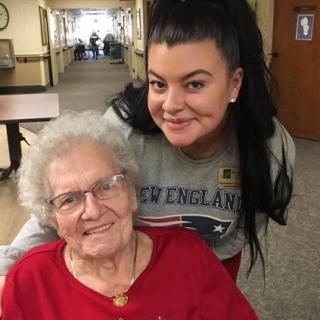
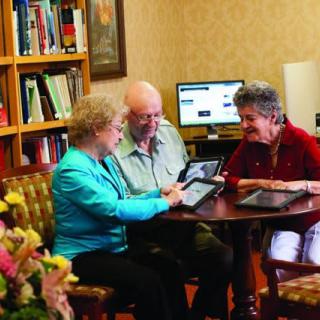
    Two elderly women enjoying each other's company in a care facility.
  • Outdoors

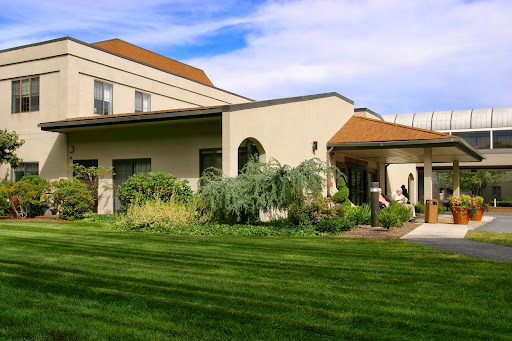
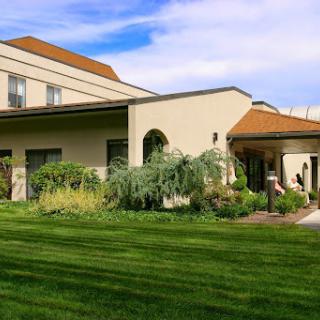
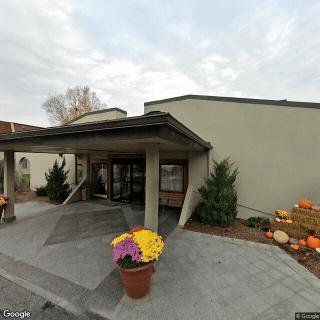
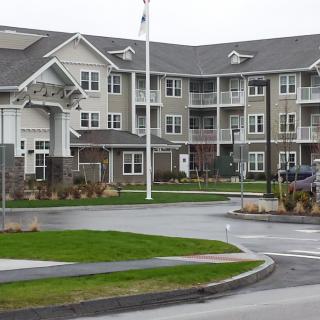
    A beautifully landscaped residential building surrounded by lush green grass.
  • Building

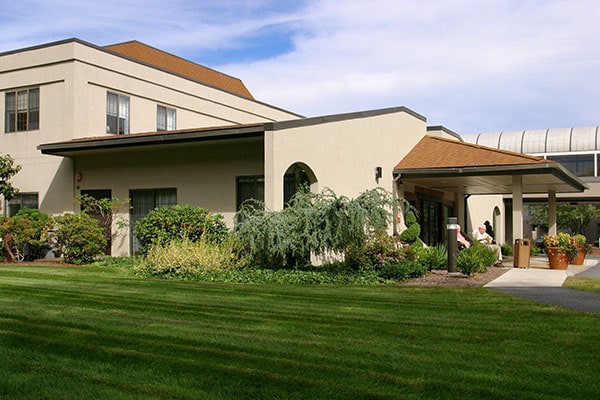
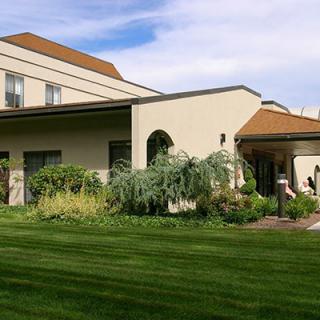
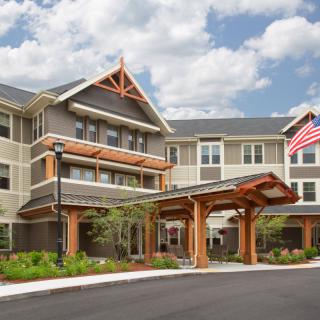
    A modern residential house with a well-maintained garden and lawn.
  • Architecture

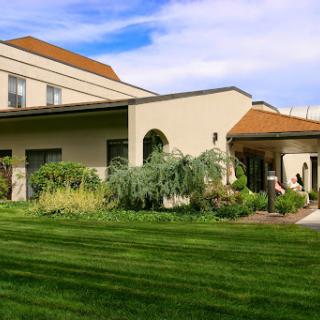
    A view of a residential house with a well-maintained lawn and garden under a blue sky.
  • Dining

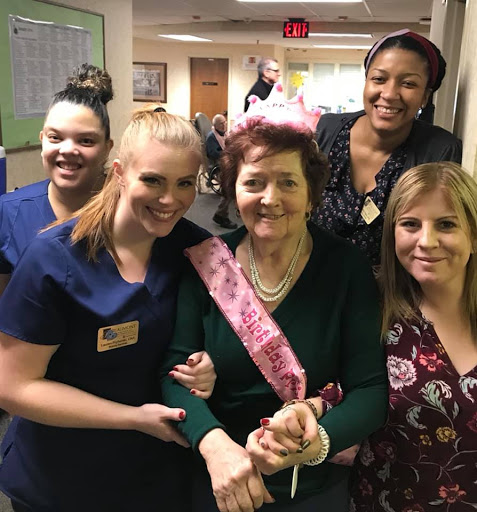
    A cheerful group of women enjoying a moment together at an event.
  • Landscaping

    A well-maintained building surrounded by lush greenery and a manicured lawn.
  • Healthcare

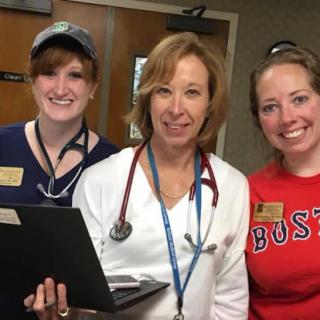
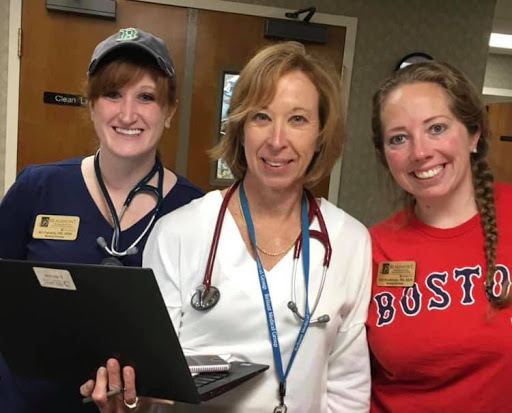
    A team of healthcare professionals posing together in a hospital setting.
  • Nursing Home

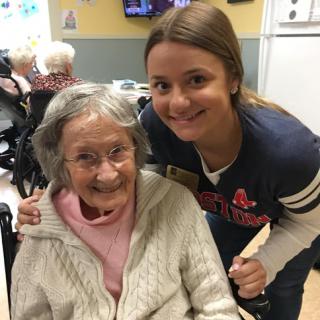
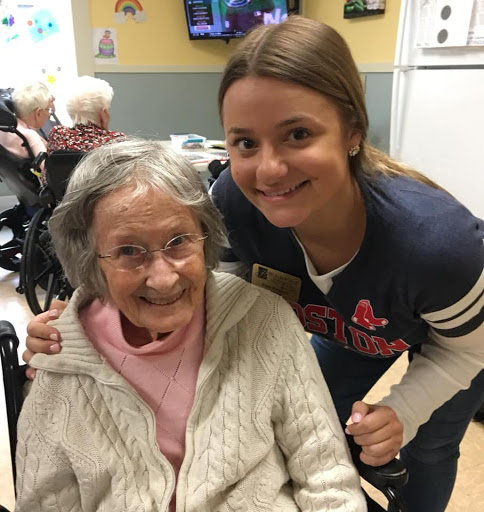
    A joyful moment shared between a caregiver and an elderly resident in a nursing home.
  • Caregiver

    A joyful moment shared between a young woman and an elderly lady in a cozy indoor setting.

Beaumont Rehab & Skilled Nursing Center - Westboro in Westborough, MA

Information last verified:

3 Lyman Street, Westborough, MA 01581

For more information about senior living options: (844) 490-3973

3.7 from 89 reviews
5 stars
48
4 stars
13
3 stars
3
2 stars
6
1 stars
19

Overall Review of Beaumont Rehab & Skilled Nursing Center - Westboro

Pros

  • pro The staff is very helpful and pleasant to work with.
  • pro The therapists are caring, diligent, and patient.
  • pro Florence is a wonderful asset who goes above and beyond for her patients.
  • pro The entire staff—from receptionists to aides to nurses—was outstanding, friendly, and attentive.
  • pro The care team is compassionate and respectful toward residents.
  • pro Beaumont Rehab is extremely clean and well maintained.
  • pro The food and services are outstanding and well balanced.
  • pro The front office staff and administrative team are professional and supportive.

Cons

  • pro The facility is chronically understaffed, and the nurses become visibly annoyed when patients complain about sitting in their own filth for hours.
  • pro Alerts are routinely ignored; pressing the Red button multiple times often yields no response for hours.
  • pro The care is described as horrible, with many reviewers saying they would not recommend the place.
  • pro Call lights go unanswered for long stretches, leaving residents waiting for basic assistance like bed changes or pain medication.
  • pro The environment is unclean and poorly maintained, with pills found at bedside and staff sometimes unfriendly or inattentive.
  • pro Belongings are frequently lost or stolen, and there are reports of mismanagement and high staff turnover impacting care.

Review

Beaumont Rehab & Skilled Nursing Center in Westborough is best suited for families seeking a rehab-forward stay where skilled physical and occupational therapy can drive meaningful recovery, and where the care plan hinges on an engaged therapy team and clear progress reporting. When staffing is stable and attentive, the center can deliver solid rehab outcomes and a generally clean, organized environment. The rehab leadership and therapists are repeatedly described as skilled, patient, and encouraging, capable of helping someone regain function after surgery, illness, or a setback. The facility itself can feel welcoming on days when operations run smoothly, with positive impressions of admissions staff and therapy teams. The bottom line is that success here is highly contingent on consistent staffing and floor leadership; without that, the experience can disappoint despite strong therapy credentials.

That said, alternatives should be on the radar for families who require unwavering, around-the-clock safety and reliability, or who need dementia- or memory-care services with dedicated staff on every shift. The Westborough campus has produced consistently troubling anecdotes about long delays for call lights, residents sitting in soiled conditions, and gaps in basic daily care. For families who cannot tolerate repeated lapses in attention, or who want a facility with a track record of steady, predictable care across all units, other SNFs or memory-care-focused communities may offer a safer, more consistent daily rhythm. In short, rehab potential is real here, but daily care quality varies enough to justify strong caution for those with high safety or monitoring needs.

On the positive side, rehabilitation-specific strengths stand out when they align with staffing on site. Therapists and aides described as kind, competent, and persistent help residents regain independence and function, often delivering tangible improvements. Specific individuals are repeatedly highlighted for exceptional impact: therapists who keep patients motivated, the overseeing clinician who orchestrates rehab goals, and admissions staff who set clear expectations and offer steady guidance through the process. Cleanliness and general courtesy in many encounters reinforce that, when the right people are in place, the environment supports recovery rather than undermines it. For families focusing on rehabilitation milestones, these elements can translate into real progression and a sense of progress that makes a stay worthwhile.

Yet the flip side cannot be ignored. A chorus of accounts points to chronic understaffing that translates into call lights left unanswered for long stretches, residents wandering without timely assistance, and pockets of forgetfulness around routine tasks like hygiene and medication. Instances of pills found at bedsides, mistakes in medication handling, and lost or stolen belongings recur in multiple stories, painting a picture of systems that can fray under pressure. Food quality, which some praise on certain floors, is criticized in others, and interactions with staff range from warmly responsive to disengaged and overwhelmed. Management and turnover emerge as recurring themes in several reviews, suggesting that the quality of daily life for residents largely tracks with who happens to be on shift and which unit is being observed.

In weighing pros against cons, the rehab strengths can be decisive for a clearly defined recovery plan, but the daily caregiving reality cannot be dismissed. For families prioritizing substantial, professional rehab, Beaumont Westborough can deliver noticeable gains when staff show up consistently and communicate well with families. However, those gains may be offset by pervasive staffing gaps, inconsistent practices across shifts, and reports of neglect or poor supervision on some days. The prudent path emphasizes due diligence: demand a frank meeting with the rehab director and assigned case manager; request current staffing metrics and a transparent care plan with concrete daily goals; and insist on direct, timely updates about progress. During visits, observe how promptly call lights are answered, verify medication routines, and probe into dining and hygiene practices on multiple floors. If possible, trial a short-term stay to assess whether therapy momentum can be sustained without sacrificing safety and comfort.

The final judgment centers on risk tolerance and care priorities. Beaumont Westborough can be a viable option for families who need strong, active rehabilitation and who are prepared to oversee care quality closely. It is less suitable for those who require relentlessly consistent, 24/7 attentiveness, flawless daily logistics, and uniformly high ratings across all shifts. Prospective families should approach with a concrete checklist: tour the rehab unit, speak with frontline staff and several recently discharged families, and request floor-by-floor data on staffing, call-light response times, and incident reports. Seek references reflecting both high and low experiences to gauge consistency. If the plan hinges on steady rehab progress guided by a trusted team, Beaumont Westborough can satisfy, provided the inevitable variability is acknowledged and actively managed. If reliability and flawless daily care are nonnegotiable, exploring other options in the region is a wise, disciplined move.

Features

Housing

  • 152 resident community capacity 152 resident community capacity

Types of Care

  • Continuing Care Retirement Community (CCRC) Continuing Care Retirement Community (CCRC)Continuing Care Retirement Communities (CCRCs) are important for seniors because they provide a range of housing options and care services all in one location. This allows seniors to age in place and receive the level of care they need as their health changes, without having to move to a new facility. CCRCs provide a sense of security and peace of mind for seniors and their families, knowing that they will be taken care of no matter what the future holds.
  • Skilled Nursing Facility Skilled Nursing FacilitySkilled Nursing Facilities are crucial for seniors as they provide round-the-clock medical care, rehabilitation services, and assistance with daily activities. These facilities ensure that seniors receive the specialized care they need to maintain their health and well-being as they age.

Amenities

  • Air-conditioning Air-conditioningAir conditioning is important for seniors as they are more vulnerable to heat-related illnesses and may have underlying health conditions that make it difficult for them to regulate their body temperature. It helps to keep them comfortable, safe, and healthy in hot weather.
  • Beauty salon Beauty salonBeauty salons are important for seniors because they provide a space for them to feel pampered, socialize, and maintain their personal grooming and hygiene. Regular visits to a beauty salon can help boost seniors' self-esteem and overall well-being.
  • Cable or satellite TV Cable or satellite TVCable or satellite TV is important for seniors because it provides entertainment, news, and companionship, helping to combat loneliness and boredom. It also offers a wide range of programming options tailored to different interests and preferences.
  • Computer center Computer centerA computer center is essential for seniors as it provides access to technology, communication tools, and resources that can enhance their daily lives. It allows them to stay connected with loved ones, engage in online activities, and learn new skills, ultimately promoting socialization and mental stimulation.
  • Dining room Dining roomDining rooms are important for seniors as they provide a space for socialization, connection, and nutritious meals. They offer opportunities for residents to bond over shared meals, foster a sense of community, and promote healthy eating habits. Dining rooms also ensure that seniors have access to well-balanced meals tailored to their dietary needs and preferences.
  • Fitness room Fitness roomHaving a fitness room in a senior living community is essential for seniors to stay active, maintain their physical health, and improve their overall well-being. Regular exercise can help prevent falls, reduce the risk of chronic diseases, and promote mental sharpness. It also provides social opportunities for residents to connect with others and enjoy a sense of community.
  • Fully furnished Fully furnishedFully furnished senior living communities are important for seniors because they provide convenience, comfort, and a hassle-free moving experience. Seniors can easily settle into their new living space without the stress of having to buy and move furniture. This allows them to focus on enjoying their new home and community.
  • Gaming room Gaming roomGaming rooms are important for seniors as they provide a fun and engaging environment for socializing, cognitive stimulation, and physical activity. Games can improve memory, problem-solving skills, and overall mental well-being while fostering friendships and reducing feelings of isolation.
  • Garden GardenGardens are important for seniors as they provide a peaceful and therapeutic environment for relaxation, physical activity, and socialization. Being in nature has been shown to reduce stress, improve mood, and promote overall well-being. Gardens also offer opportunities for seniors to engage in gardening activities, which can improve mobility, flexibility, and cognitive function. Additionally, gardens create a sense of community and connection with others who share a passion for plants and outdoor spaces.
  • Housekeeping services Housekeeping servicesHousekeeping services are important for seniors because they help maintain a clean and safe living environment, promote independence, and reduce the risk of accidents or illnesses. Additionally, having assistance with household chores can alleviate physical strain and allow seniors to focus on other aspects of their well-being.
  • Kitchenette KitchenetteKitchenettes are important for seniors living in senior living communities because they provide the convenience and independence of being able to prepare simple meals and snacks in the comfort of their own living space. This can help promote a sense of autonomy and well-being for seniors, allowing them to maintain some level of control over their dietary choices and daily routines.
  • Move-in coordination Move-in coordinationMove-in coordination is important for seniors because it helps ease the transition into their new living environment. It ensures that all logistics, such as packing, organizing movers, and setting up utilities are taken care of, allowing seniors to focus on settling in and adjusting to their new home. Having a smooth move-in process can alleviate stress and anxiety, making the transition smoother and more enjoyable for seniors.
  • Outdoor space Outdoor spaceOutdoor spaces are important for seniors as they provide opportunities for physical activity, social interaction, exposure to natural light and fresh air, and a sense of connection to nature. Having access to outdoor spaces can improve overall well-being and quality of life for older adults living in senior communities.
  • Private bathrooms Private bathroomsPrivate bathrooms are important for seniors in senior living communities because they provide independence, dignity, and comfort. Having a private bathroom allows seniors to maintain their personal hygiene routines without the need for assistance, promoting a sense of autonomy and privacy. Additionally, private bathrooms help prevent the spread of infections and provide a safe and clean environment for seniors to navigate safely.
  • Restaurant-style dining Restaurant-style diningRestaurant-style dining is important for seniors because it allows them to enjoy delicious, nutritious meals in a social and upscale setting. This enhances their dining experience, promotes healthy eating habits, and fosters socialization with fellow residents, ultimately contributing to their overall well-being and quality of life.
  • Small library Small librarySmall libraries are important for seniors as they provide access to a variety of reading materials, including books, newspapers, and magazines. This can help stimulate their minds, keep them engaged, and provide a sense of community through book clubs and other social activities. Additionally, reading has been shown to improve cognitive function and overall mental well-being in older adults.
  • Telephone TelephoneTelephones are important for seniors as they provide a lifeline for communication with loved ones, emergency services, and healthcare providers. They offer a sense of security and independence, enabling seniors to stay connected and access assistance when needed.
  • Wellness center Wellness centerWellness centers are important for seniors because they offer a variety of programs and services that promote physical, mental, and emotional well-being. These centers provide opportunities for exercise, socialization, education, and relaxation, helping seniors maintain their overall health and quality of life.
  • Wi-Fi/high-speed internet available Wi-Fi/high-speed internet availableWi-Fi/high-speed internet is important for seniors to stay connected with loved ones, access online resources, and participate in virtual activities to combat feelings of loneliness and isolation. It also allows them to easily manage healthcare needs, access entertainment, and engage in lifelong learning opportunities.

Transportation

  • Worcester Regional (14 miles away) Worcester Regional (14 miles away)
  • Community operated transportation Community operated transportationCommunity operated transportation is crucial for seniors as it provides them with the means to access essential services, social activities, and medical appointments. It allows seniors to maintain their independence and quality of life by ensuring they can participate in activities outside of their homes. Additionally, community-operated transportation services offer a safe and reliable way for seniors to travel without having to rely on family or friends for assistance.
  • Transportation arrangement Transportation arrangementTransportation arrangements are crucial for seniors as they may face challenges with driving, mobility, or access to public transportation. Having reliable transportation services ensures that seniors can easily attend appointments, social activities, and maintain their independence and quality of life.
  • Transportation arrangement (non-medical) Transportation arrangement (non-medical)Transportation arrangements are essential for seniors as they provide access to essential services, activities, and social interactions outside the home. This service helps maintain independence, mobility, and overall well-being for seniors who may have limited transportation options.
  • Transportation to doctors appointments Transportation to doctors appointmentsTransportation to doctors appointments is crucial for seniors as it ensures they have access to necessary medical care and support, promoting their health and well-being. It allows them to receive timely treatment, monitor existing conditions, and address any new health concerns efficiently. Additionally, transportation services can help seniors maintain their independence and quality of life by enabling them to stay connected with their healthcare providers.

Care Services

  • 12-16 hour nursing 12-16 hour nursing12-16 hour nursing care is crucial for seniors in order to ensure around-the-clock monitoring, timely medication administration, and prompt response to any health concerns or emergencies. This level of care helps to promote the overall well-being and safety of seniors living in senior living communities.
  • 24-hour call system 24-hour call system24-hour call systems are important for seniors because they provide peace of mind and immediate assistance in case of emergencies. This technology ensures that help is always available, promoting safety and security for elderly individuals living alone or in assisted living facilities.
  • 24-hour supervision 24-hour supervision24-hour supervision is important for seniors to ensure their safety, well-being, and access to immediate assistance in case of emergencies or health issues. This constant support provides peace of mind for both seniors and their loved ones, allowing them to age in place with dignity and security.
  • Activities of daily living assistance Activities of daily living assistanceActivities of daily living assistance are important for seniors because they provide essential support with tasks such as eating, bathing, dressing, and mobility. This assistance helps seniors maintain their independence, dignity, and overall quality of life as they age.
  • Assistance with bathing Assistance with bathingAssistance with bathing is crucial for seniors as it helps maintain personal hygiene, prevents infections, and ensures their overall well-being and comfort. It also provides a sense of dignity and independence for seniors who may struggle with this task on their own.
  • Assistance with dressing Assistance with dressingAssistance with dressing is important for seniors because it helps maintain their independence, promotes personal hygiene, prevents accidents and injuries, and improves overall quality of life. This service ensures that seniors can continue to dress comfortably and confidently, despite any physical limitations they may have.
  • Assistance with transfers Assistance with transfersAssistance with transfers is crucial for seniors as it helps prevent falls and injuries, maintains their independence, and ensures they can safely navigate their living environment. It also provides peace of mind for both seniors and their loved ones.
  • Diabetes diet Diabetes dietA diabetes diet is crucial for seniors as it helps manage blood sugar levels, reduce risks of complications, and improve overall health and well-being. By following a balanced and nutritious diet tailored to their specific needs, seniors can better control their diabetes and enhance their quality of life.
  • Meal preparation and service Meal preparation and serviceMeal preparation and service are crucial for seniors as they may have limited mobility or energy to cook nutritious meals. Having access to healthy and convenient food options can ensure they are getting the proper nutrition needed to maintain their overall health and well-being.
  • Medication management Medication managementMedication management is crucial for seniors to ensure they are taking the right medications at the correct dosages and times. This helps prevent adverse drug interactions, reduces the risk of medication errors, and promotes overall health and well-being. Proactive management also allows for adjustments as needed based on changing health conditions or new prescriptions.
  • Mental wellness program Mental wellness programMental wellness programs are essential for seniors as they promote cognitive stimulation, emotional support, and social engagement. These programs help prevent isolation, depression, and cognitive decline, ultimately enhancing the overall quality of life for older adults.
  • Special dietary restrictions Special dietary restrictionsSpecial dietary restrictions are important for seniors because age-related changes in metabolism and health conditions can make it difficult for their bodies to process certain foods. By following a diet tailored to their specific needs, seniors can maintain their overall health and well-being, manage chronic conditions, and reduce the risk of complications such as malnutrition or food interactions with medications.

Dining

  • Diabetes diet Diabetes dietA diabetes diet is crucial for seniors as it helps manage blood sugar levels, reduce risks of complications, and improve overall health and well-being. By following a balanced and nutritious diet tailored to their specific needs, seniors can better control their diabetes and enhance their quality of life.
  • Special dietary restrictions Special dietary restrictionsSpecial dietary restrictions are important for seniors because age-related changes in metabolism and health conditions can make it difficult for their bodies to process certain foods. By following a diet tailored to their specific needs, seniors can maintain their overall health and well-being, manage chronic conditions, and reduce the risk of complications such as malnutrition or food interactions with medications.

Activities

  • Community-sponsored activities Community-sponsored activitiesCommunity-sponsored activities are important for seniors as they provide opportunities for social interaction, mental stimulation, and physical activity. These activities can help improve overall well-being, combat loneliness and isolation, and promote a sense of belonging and purpose among older adults.
  • Concierge services Concierge servicesConcierge services are essential for seniors as they provide assistance with daily tasks and errands, enhance their quality of life by offering convenience and personalized care, and promote a sense of safety and security.
  • Fitness programs Fitness programsFitness programs are crucial for seniors as they help improve strength, flexibility, balance, and overall well-being. Staying active can reduce the risk of chronic diseases, improve mental health, and enhance quality of life in older adults.
  • Planned day trips Planned day tripsPlanned day trips are important for seniors because they offer opportunities for socialization, mental stimulation, and physical activity. They provide a change of scenery and help seniors stay engaged and connected to their community, promoting overall well-being and quality of life.
  • Resident-run activities Resident-run activitiesResident-run activities are important for seniors as they encourage social interaction, creativity, and a sense of autonomy. These activities empower seniors to stay engaged and active in their community while fostering meaningful connections with their peers.
  • Scheduled daily activities Scheduled daily activitiesScheduled daily activities are important for seniors because they provide structure, socialization, mental stimulation, and physical activity. Engaging in regular activities can improve overall well-being and quality of life for seniors living in a community setting.

Description

Located in Westborough, Massachusetts, Beaumont Rehab & Skilled Nursing Center - Westboro offers a comprehensive range of care services in a comfortable and welcoming environment. As a skilled nursing facility, the center provides specialized care for individuals with complex medical needs.

Residents at Beaumont Rehab & Skilled Nursing Center are treated to an array of amenities designed to enhance their quality of life. These amenities include a beauty salon, cable or satellite TV, community-operated transportation for outings and appointments, a computer center, and a fully furnished living space. The center also features a fitness room, gaming room, garden, and outdoor space where residents can relax and enjoy the fresh air.

The dining experience at Beaumont is exceptional, with restaurant-style dining provided in the center's spacious dining room. Special dietary restrictions are catered to ensure that residents receive meals that meet their individual needs. Additionally, the small library offers opportunities for intellectual stimulation and relaxation.

The dedicated staff at Beaumont Rehab & Skilled Nursing Center provide 24-hour call system assistance and supervision to ensure that residents are well cared-for around the clock. Personal care services such as assistance with bathing, dressing, transfers, and medication management are available to support residents' daily activities.

To foster mental wellness and engagement among residents, a mental wellness program is implemented alongside various planned daily activities. Fitness programs and resident-run activities contribute to maintaining an active lifestyle within the community. Planned day trips enable residents to explore nearby attractions while concierge services assist them in arranging any additional personal needs or activities.

Beaumont Rehab & Skilled Nursing Center boasts easy access to numerous nearby amenities conveniently located in close proximity to the community. With three cafes, three parks, six pharmacies nine physicians' offices nearby,and various restaurants within walking distance,maintaining an active social life is easily achievable for residents who wish to venture out into the local area.

Overall,Efficiently providing personalized assistance in a comfortable environment,Baumont Rehab & Skilled Nursing Center - Westboro prioritizes residents' well-being and aims to create an enjoyable and engaging assisted living community.

Nearby Places of Interest

Physicians

  • Keamy Cosmetic Centre (0.2 miles)
  • Vein Clinic Of New England (0.2 miles)
  • Westborough Family Medicine (0.2 miles)
  • Muppidi, Daniel Dr - Metrowest Allergy Associates, PC (0.2 miles)
  • Quality Medical Evaluations (0.2 miles)
  • Umass Medical Group Westboro (0.3 miles)
  • Daniel J. Muppidi, MD (3.1 miles)

Pharmacies

  • Active Rx Westborough Active (0.2 miles)
  • Walmart Pharmacy (2.6 miles)
  • RXI Pharmaceuticals C (3.2 miles)
  • Pharma Models (3.3 miles)
  • CVS Pharmacy (3.3 miles)
  • CVS Pharmacy (4.7 miles)
  • Walgreens (5.1 miles)

Restaurants

  • Chipotle Mexican Grill (0.4 miles)
  • McDonald's (0.5 miles)
  • Uhlman's Ice Cream (1.4 miles)
  • Civic Kitchen & Drink (1.5 miles)
  • Chet's Diner (3.2 miles)
  • Hillside Grill (3.4 miles)
  • IHOP (3.5 miles)

Cafes

  • Panera Bread (0.7 miles)
  • Starbucks (3.3 miles)
  • Starbucks (4.1 miles)
  • Starbucks (6.9 miles)
  • The Bagel Table (7.2 miles)
  • Starbucks (7.2 miles)
  • New City Microcre (7.8 miles)

Hospitals

  • Whittier Rehabilitation Hospital (1.9 miles)
  • U Mass Hospital (7.9 miles)
  • UMass ACC (8.1 miles)
  • Worcester Recovery Center And Hospital (8.4 miles)

Parks

  • Minuteman Park (2.7 miles)
  • Whitehall State Park (3.2 miles)
  • Hopkinton State Park (4.3 miles)
  • Lake Park (7.9 miles)
  • Cushing Memorial Park (8.6 miles)

Places of Worship

  • St Rose of Lima Parish (3.3 miles)
  • St Bridget's Church & School (9 miles)

Theaters

  • Regal Solomon Pond (5.2 miles)

Frequently Asked Questions

Where is Beaumont Rehab & Skilled Nursing Center - Westboro?
What photos are available for Beaumont Rehab & Skilled Nursing Center - Westboro in Westborough, Massachusetts?

Nearby Communities

  • Beaumont Rehabilitation -Westborough

    Beaumont Rehabilitation -Westborough

    Westborough, MA

    3.9 from 71 reviews
     

    pro Family involvement driving care improvements.
  • Whitney Suites At Westborough

    Whitney Suites At Westborough

    Westborough, MA

    4.4 from 24 reviews
     

    pro Diabetic care and on-site activities with easy access to nearby healthcare and amenities.

  • Whitney Place at Westborough

    Whitney Place at Westborough

    Westborough, MA

    4.3 from 57 reviews
    $4,770 to $7,400 / month

    pro Compassionate, dedicated staff; clean, well-maintained facility; engaging activities and strong family communication.

  • Willows at Westborough

    Willows at Westborough

    Westborough, MA

    4.6 from 91 reviews
    $2,996 to $3,614 / month

    pro Caring staff, clean and well-kept environment, and independence with on-site services.

  • Right At Home

    Right At Home

    Westborough, MA

    4.8 from 9 reviews
     

    pro Friendly, professional caregivers who were reliable and met care needs.

  • The Highlands Gracious Retirement Living

    The Highlands Gracious Retirement Living

    Westborough, MA

    4.2 from 21 reviews
     

    pro Luxurious, fully furnished apartments with 24/7 care and extensive on-site amenities (dining, housekeeping, wellness, activities, and transportation).

  • The Highlands

    The Highlands

    Westborough, MA

    4.2 from 57 reviews
    $2,955 to $5,035 / month

    pro Friendly staff in a clean, engaging community with good dining.

  • The Residence at Orchard Grove

    The Residence at Orchard Grove

    Shrewsbury, MA

    4.9 from 160 reviews
    $4,600 to $8,300 / month

    pro Warm, well-maintained community with attentive staff, engaging activities, and excellent dining.

  • Golden Pond

    Golden Pond

    Hopkinton, MA

    3.4 from 35 reviews
    $4,500 to $6,500 / month

    pro Engaging daily activities and compassionate, personalized care.

Related Resources

  • how much does 24/7 in home care cost per monthUnderstanding the Full Cost of 24/7 In-Home Care: A Detailed Overview

    The guide outlines the rising costs of 24/7 in-home care, ranging from $10,000 to over $20,000 monthly, driven by factors such as location and caregiver qualifications. It discusses the limited coverage by Medicare and private insurance, potential Medicaid support, and the emotional and living condition considerations influencing families' decisions on care arrangements.

  • home health nurseExploring the World of Home Health Nurses: Qualifications, Roles, and Hiring Tips

    Home health nursing is an expanding field where licensed professionals provide specialized medical care in patients' homes, addressing the needs of an aging population through personalized services like assessments and medication management. Effective collaboration with healthcare teams, cultural sensitivity, and quality assurance measures are essential for fostering trust and ensuring positive patient outcomes.

  • does medicare cover home health careNavigating Medicare Coverage for In-Home Care Services
    Medicare covers in-home health care services, which are medical and provided by licensed professionals under a physician's supervision, whereas non-medical personal assistance is generally not covered unless part of a broader skilled care plan. Eligibility for benefits depends on being homebound and needing intermittent skilled services from a Medicare-certified agency, with specific coverage limitations and additional resources available for navigating options.