For more information about senior living options: (866) 208-4318
3.7 from 73 reviews
5 stars
45
4 stars
2
3 stars
3
2 stars
4
1 stars
19
Overall Review of Southbridge Rehabilitation & Health Care Center
differentiator10 reviews mention this
Ambassadors feel like a lifeline
Residents and families repeatedly point to ambassadors as key support inside the facility.
Many reviewers describe strong help from the ambassador team, including checking in, assisting with questions, and stepping in to address issues as they come up. Several people specifically thank Jessica (or other ambassador staff) for making them feel welcome and for following through on practical concerns. This focus on support aligns with the facility’s offered concierge and move-in coordination services, which are geared toward reducing day-to-day friction.
common24 reviews mention this
Staff care is a major strength
Across many reviews, staff is described as caring, communicative, and responsive.
A large share of reviewers highlight staff warmth and dedication, often naming nurses, CNAs, therapists, social services, and other team members. Families also describe frequent communication and a sense that concerns were taken seriously. This pattern matches the community’s emphasis on daily assistance, medication management, and structured programming that supports recovery and wellness.
common3 reviews mention this
Meal quality includes diabetes-focused options
Food is mentioned often, with both positive impressions and specific dietary complaints.
Some residents describe the food positively, including saying meals were excellent and that they gained weight while being cared for there. Others mention problems with meals connected to diabetic or low-carbohydrate diets, including dissatisfaction with what was served. The community offers restaurant-style dining and also lists meal planning for diabetes and special dietary restrictions, which helps explain why dining experiences can vary.
caveat5 reviews mention this
Cleanliness issues come up sharply
Several reviews describe serious hygiene and cleanliness problems.
Some reviewers report strong odor and dirty conditions, including references to floors, rooms, and bathrooms not being cleaned to their expectations. Others mention issues like lack of disinfecting and pests, and one review describes a bed that was not properly cleaned from the prior person. These concerns also show up alongside complaints about neglect of basic needs, making hygiene a recurring theme for dissatisfied families.
common4 reviews mention this
Therapy and activities support recovery
Reviews point to therapy and resident activities as part of daily life.
Some reviewers describe physical therapy helping them reach their baseline, along with nurses and therapy staff working closely with residents. Others mention the activities department and groups, including arts and crafts and feeling encouraged even when someone is shy. There are also a few remarks that the facility needs more activities, which lines up with the mixed feedback on programming space and staffing.
common2 reviews mention this
Doctor-visit transportation is mentioned
Families sometimes mention help coordinating medical visits and transportation.
One family reviewer specifically thanks the facility for managing trips to doctor appointments and for helping with medical information during those visits. The facility also lists transportation arrangement services for non-medical needs and transportation to doctors appointments, which supports why this could come up during longer rehab stays.
How we summarize
Counts show how many written reviews mention each theme; a review can touch several themes, and only frequently mentioned themes are displayed.
Features
Housing
144 resident community capacity
Types of Care
Skilled Nursing Facility
Amenities
Air-conditioning
Beauty salon
Cable or satellite TV
Computer center
Dining room
Fitness room
Fully furnished
Gaming room
Garden
Housekeeping services
Kitchenette
Move-in coordination
Outdoor space
Private bathrooms
Restaurant-style dining
Small library
Telephone
Wellness center
Wi-Fi/high-speed internet available
Transportation
Worcester Regional (16 miles away)
Community operated transportation
Transportation arrangement
Transportation arrangement (non-medical)
Transportation to doctors appointments
Care Services
12-16 hour nursing
24-hour call system
24-hour supervision
Activities of daily living assistance
Assistance with bathing
Assistance with dressing
Assistance with transfers
Diabetes diet
Meal preparation and service
Medication management
Mental wellness program
Special dietary restrictions
Dining
Diabetes diet
Special dietary restrictions
Activities
Community-sponsored activities
Concierge services
Fitness programs
Planned day trips
Resident-run activities
Scheduled daily activities
Nearby Places of Interest
Pharmacies
CVS Pharmacy (0.2 miles)
CVS Pharmacy (3.8 miles)
Walmart Pharmacy (3.9 miles)
CVS Pharmacy (6 miles)
Rite Aid (8.7 miles)
Walgreens (8.8 miles)
CVS Pharmacy (8.8 miles)
Physicians
Anu Pathak, MD (0.3 miles)
Young-ho Oh (0.4 miles)
Dr Lavoie (0.4 miles)
Plastikka (2.6 miles)
Charlton Family Practice (3.1 miles)
Harrington Health Care at Route 169 (5.2 miles)
Harrington Health Care (6.9 miles)
Places of Worship
Notre Dame Church (0.3 miles)
St Patrick Parish St Anne Shrine Gift Shop (5 miles)
Charlton Federated Church (5.3 miles)
St Anthonys Church (6.4 miles)
St Joseph R C Church (9.5 miles)
Quaboag Seventh-Day Adventist (9.8 miles)
High Pointe Church (10.6 miles)
Hospitals
Harrington HealthCare System (0.4 miles)
Harrington Cancer Center (0.4 miles)
Womens Center at Harrington Hospital (0.4 miles)
Rehabilitation Services at Harrington Memorial Hospital (0.4 miles)
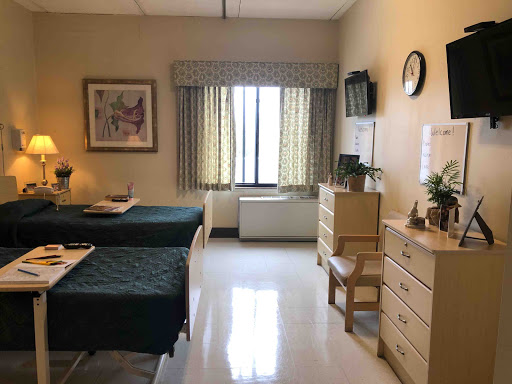
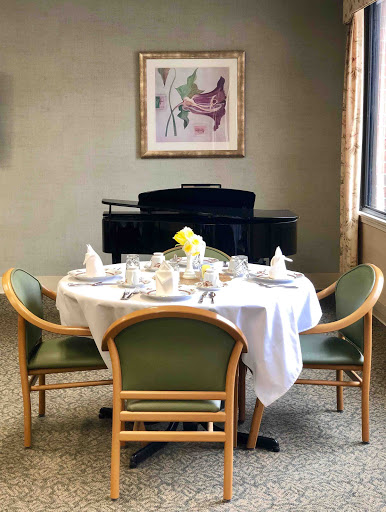
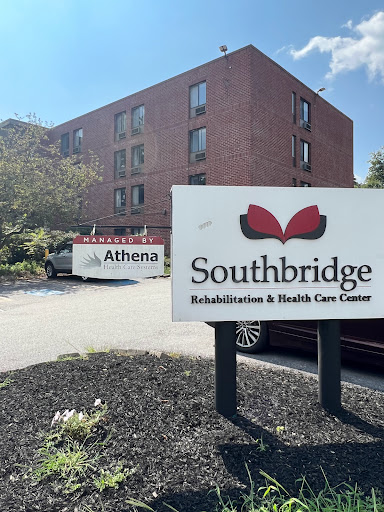
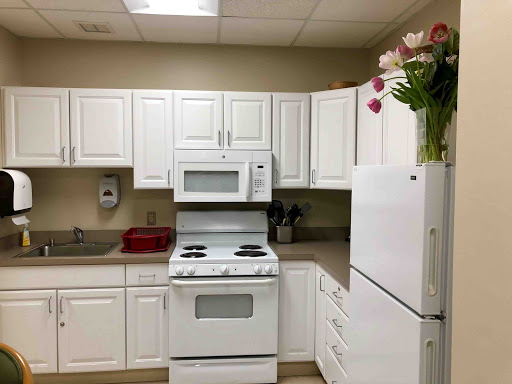
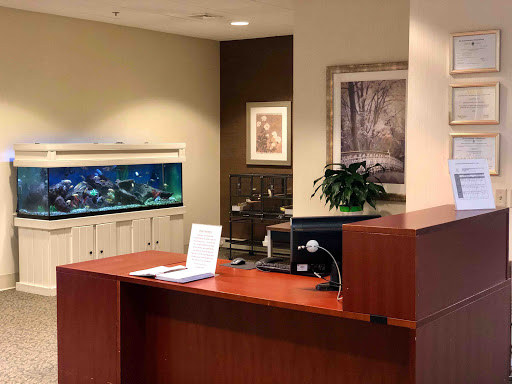
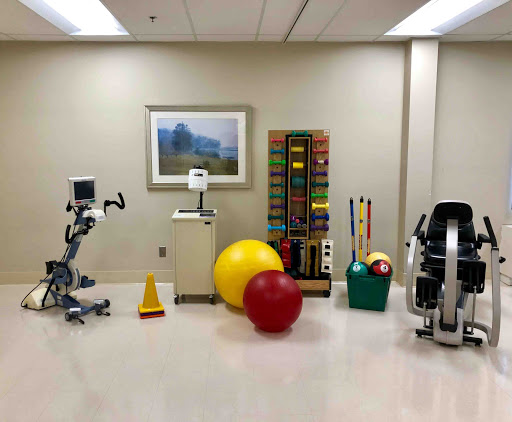
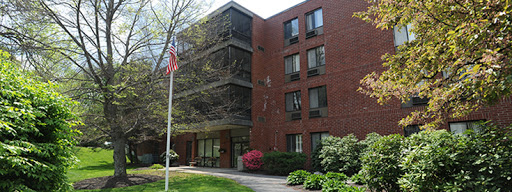
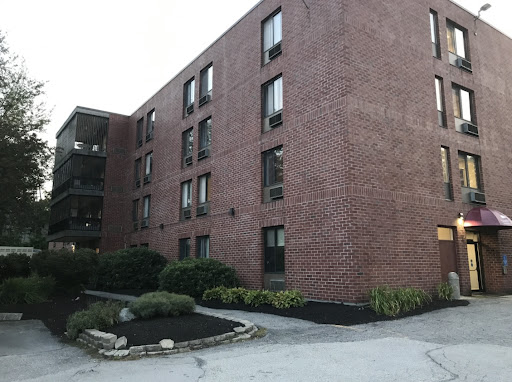
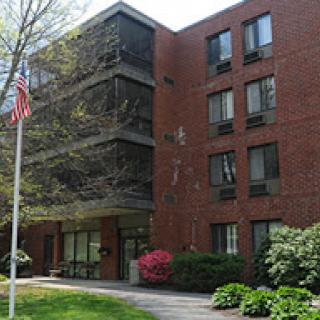
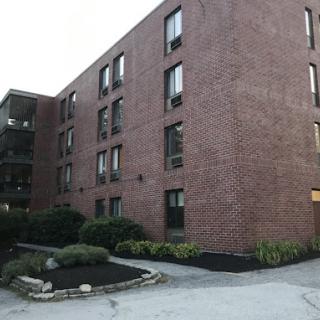
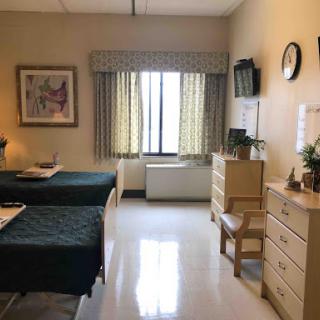
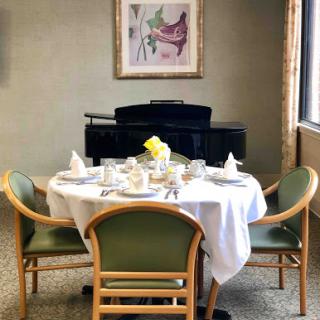
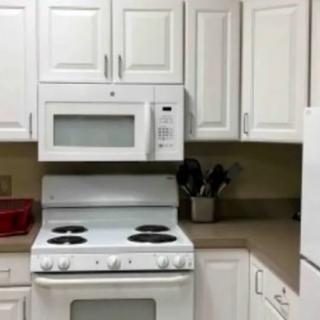
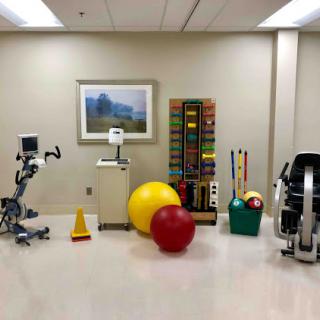
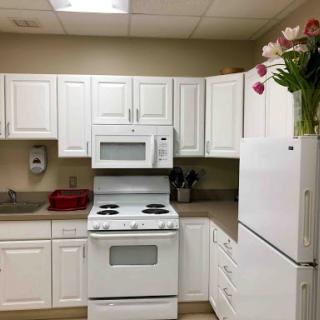
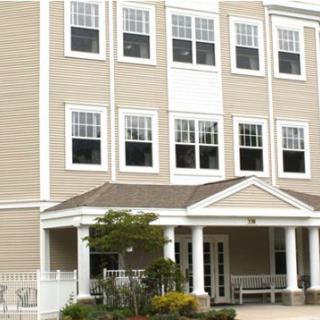
Southbridge Rehabilitation & Health Care Center on seniors.fyi includes 14 photos including images showing building, dining, flag, artwork, rehabilitation, office, kitchen, architecture, and more.
Nearby Communities
The Overlook In Charlton
Charlton, MA
$3,400 to $4,100 / month
Wide range of care options with competitive pricing.
The Overlook Life Community
Charlton, MA
4.5 from 64 reviews
$6,750 / month
Modern, well-kept spaces with spacious apartments and an active, caring staff.
Fieldstone At The Overlook
Blackstone, MA
4.4 from 32 reviews
Continuum of care (assisted living to skilled nursing) in a small, intimate setting with comprehensive services and daily activities.
Tri State Home Care LLC
Dudley, MA
Convenient access to nearby amenities and healthcare (cafes, parks, pharmacies, physicians, restaurants, places of worship, and hospitals).
Charlton Manor Rest Home
Charlton, MA
4.6 from 28 reviews
Peaceful setting with convenient access to parks, pharmacies, a physician's office, restaurants, places of worship, and a nearby hospital.
Golden Life Home Care
Webster, MA
$3,600 to $4,000 / month
More affordable private/semi-private rooms; diabetic care available
Christopher Heights of Webster
Webster, MA
4.3 from 42 reviews
$5,550 to $6,550 / month
Immaculate, homelike environment with attentive staff and engaging activities.
Life Care Center of Auburn
Auburn, MA
4.8 from 122 reviews
Compassionate staff in a clean, home-like setting with active rehab programs.
Lodge at Eddy Pond
Auburn, MA
4.7 from 10 reviews
$2,150 to $3,500 / month
Staff are caring and treat residents like family, with 24/7 responsiveness and a warm, clean atmosphere.
Living wills and advance directives are crucial legal documents that outline an individual's healthcare preferences when they cannot make decisions themselves, enhancing patient autonomy and alleviating family stress during medical crises. The article emphasizes the need for these documents to be personalized, legally valid, and regularly updated, while also encouraging communication about end-of-life wishes among family members and healthcare providers.
The article examines living wills and advance directives, highlighting their significance in expressing healthcare preferences for those unable to communicate due to illness or incapacity. It discusses their historical development, legal components, limitations, practical drafting advice, and the importance of clear communication among families and healthcare professionals regarding end-of-life decisions.
Hospice care focuses on providing comfort and support for individuals nearing the end of life, with Medicare Part A covering services like nursing care and counseling for patients with a terminal illness and a life expectancy of six months or less. While most hospice services are low-cost for eligible patients, families should be aware that certain expenses, such as room and board, may not be covered.
Southbridge Rehabilitation & Health Care Center photos
×
Outdoors
Decor
Building
Architecture
Bedroom
Dining
Kitchen
Artwork
Outdoor
Exterior
Exercise Equipment
Refrigerator
Healthcare
Decor, Television, Indoor Plants, and Reception Desk
Bedroom
Dining
Landscaping, Architecture, and Brick
Windows
Building
Trees and Outdoors
Kitchen and Stove
Artwork
Outdoor
Exercise Equipment, Physical Therapy, and Exercise
Exterior
Appliances and Oven
Flag
Healthcare and Facility
Piano
Office
Plant, Waiting Area, Reception, and Aquarium
Rehabilitation
Refrigerator
Urban
Get PricingAsk A QuestionSchedule A TourContact Senior Advisor
By clicking submit, you agree to our Partner's Terms of Use. You
also consent to receive calls and texts, which may be autodialed, from our Partner. Your consent is not a condition to
using our Partner's service. Please visit our Partner's Privacy Policy for information about their privacy practices.











 144 resident community capacity
 Skilled Nursing Facility
 Air-conditioning
 Beauty salon
 Cable or satellite TV
 Computer center
 Dining room
 Fitness room
 Fully furnished
 Gaming room
 Garden
 Housekeeping services
 Kitchenette
 Move-in coordination
 Outdoor space
 Private bathrooms
 Restaurant-style dining
 Small library
 Telephone
 Wellness center
 Wi-Fi/high-speed internet available
 Worcester Regional (16 miles away)
 Community operated transportation
 12-16 hour nursing
 24-hour call system
 Activities of daily living assistance
 Assistance with bathing
 Assistance with dressing
 Assistance with transfers
 Diabetes diet
 Medication management
 Mental wellness program
 Special dietary restrictions
 Concierge services
 Planned day trips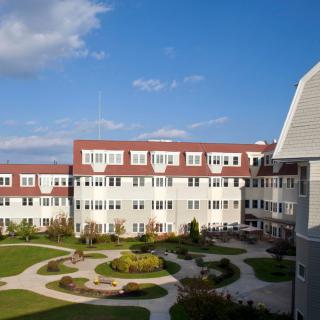
 Wide range of care options with competitive pricing.



 Comprehensive Exploration of Living Wills and Other Advance Directives
 A Detailed Exploration of Living Wills and Advance Directives
 Comprehensive Guide to Medicare Coverage for Hospice Care