Residents describe very slow responses to call bells at times, including delays of hours.
Some residents and families say help from the call bell was delayed for hours, with complaints that staff did not answer promptly—especially at night or on certain shifts. Others describe falling risks and medications being handled late or not at all until help arrived. A smaller set of reviews still praise the nursing and day-to-day communication, but the negative experiences focus on times when alarms and requests were not addressed quickly.
caveat24 reviews mention this
Cleanliness and odor concerns
Several reviews report ongoing cleanliness and odor problems in rooms and common areas.
A number of reviews describe rooms and hallways smelling strongly of urine and mention visible dirt or unhygienic conditions. Multiple reviewers also mention issues like dirty bathrooms, floors, and refuse left in place, with some describing persistent smells across repeat visits. While a few reviews say the facility was very clean and that staff were constantly cleaning, the more consistent recurring complaints center on hygiene and odor.
caveat14 reviews mention this
Food quality and temperature
Dining quality comes up often, with repeated comments about food being cold or not filling.
Several reviews say the food was unappetizing, not filling, or served cold, sometimes to the point that families ordered restaurant food or brought alternatives. Others also mention dietary needs not being handled well, including concerns about special restrictions. On the positive side, some residents praise the food and describe better dining over time, but the most frequent dining complaints focus on temperature and overall appeal.
common9 reviews mention this
Activities keep residents busy
Residents describe regular activities and engagement during the day.
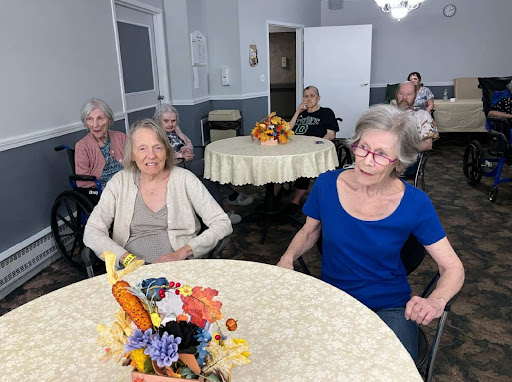
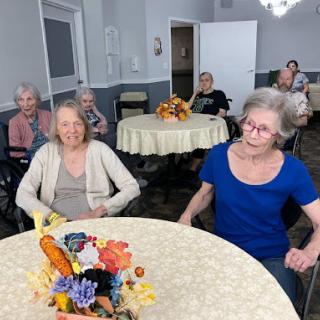
Across multiple reviews, families and residents mention daily activities and an active recreation program, including scheduled programming and resident interaction. Some visitors say they could see activity going on during their visit, while others specifically describe the benefits of the activity team and day-to-day engagement. A few reviews still say there could be more entertainment, but overall the community’s activities are a recurring point in feedback.
common26 reviews mention this
Warm, caring staff moments
Many reviews highlight friendly, attentive staff and a caring approach.
Numerous reviewers praise staff warmth, attentiveness, and the feeling that caregivers treat residents with compassion. Families describe administrators and nursing staff as approachable and helpful when concerns arise, and some say communication and support made a stressful transition easier. At the same time, several negative reviews focus on problems with responsiveness and care consistency, so the experience appears to depend heavily on staffing and timing.
differentiator10 reviews mention this
Nursing care and supervision
Residents mention nursing support and supervision as a key part of care experiences.
Some reviews emphasize nursing staff and supervision as helpful for medical needs, safety, and day-to-day support, including descriptions of staff ensuring residents were safe. Other reviews raise serious concerns about medical handling, citing missed or delayed care and problems that led to urgent outcomes. The community offers skilled nursing and a range of care support services, and residents’ feedback reflects both strong support moments and major concerns in others.
How we summarize
Counts show how many written reviews mention each theme; a review can touch several themes, and only frequently mentioned themes are displayed.
Features
Housing
124 resident community capacity
Types of Care
Skilled Nursing Facility
Amenities
Air-conditioning
Beauty salon
Cable or satellite TV
Computer center
Dining room
Fitness room
Fully furnished
Gaming room
Garden
Housekeeping services
Kitchenette
Move-in coordination
Outdoor space
Private bathrooms
Restaurant-style dining
Small library
Telephone
Wellness center
Wi-Fi/high-speed internet available
Transportation
Gen Edw L Logan International (16 miles away)
Community operated transportation
Transportation arrangement
Transportation arrangement (non-medical)
Transportation to doctors appointments
Care Services
12-16 hour nursing
24-hour call system
24-hour supervision
Activities of daily living assistance
Assistance with bathing
Assistance with dressing
Assistance with transfers
Diabetes diet
Meal preparation and service
Medication management
Mental wellness program
Special dietary restrictions
Dining
Diabetes diet
Special dietary restrictions
Activities
Community-sponsored activities
Concierge services
Fitness programs
Planned day trips
Resident-run activities
Scheduled daily activities
Nearby Places of Interest
Physicians
Guild Medical Center (0.7 miles)
Dedham Medical Associates (1.3 miles)
Pediatric Associates of Wellesley (3.8 miles)
Dedham Medical (5.7 miles)
The Foxboro Center For Women's & Family Health (5.9 miles)
Brigham & Womens Mass General Healthcare Center (6.8 miles)
Signature Healthcare Pediatrics (9 miles)
Cafes
Brookside Cafe (0.8 miles)
Starbucks (1.4 miles)
Panera Bread (2.2 miles)
Starbucks (3 miles)
Dunkin' Brands (4.7 miles)
Starbucks (5.5 miles)
French Press Bakery & Cafe (6.8 miles)
Places of Worship
Saint Catherine of Siena Parish (1.1 miles)
First Baptist Church (8.6 miles)
Saint Joseph's Parish Center (10.1 miles)
Pharmacies
CVS Pharmacy (1.1 miles)
Walgreens (1.3 miles)
CVS Pharmacy (3.1 miles)
Wegmans (3.5 miles)
CVS Pharmacy (3.8 miles)
Walgreens (4.2 miles)
CVS Pharmacy (4.6 miles)
Restaurants
Castle Island Brewing (1.6 miles)
Wendy's (1.7 miles)
Yard House (3.8 miles)
Rico's Pizzeria (4.1 miles)
C.F. McCarthy’s (4.1 miles)
Eggs & Thai Cafe (4.9 miles)
Crescent Ridge Dairy (5.3 miles)
Parks
Francis William Bird Park (1.9 miles)
Hinckley Playground (4.6 miles)
Houghton's Pond (6.4 miles)
Cutler Park (7 miles)
Almont Park (8.7 miles)
Pagel Playground (8.8 miles)
Borderland State Park (8.8 miles)
Transportation
Canton Junction Station (3.5 miles)
Route 128 station (4 miles)
Readville (5.6 miles)
MBTA Commuter Rail (6.5 miles)
Norfolk Transfer Station (7.4 miles)
Hospitals
New England Baptist Outpatient Care Center (3.6 miles)
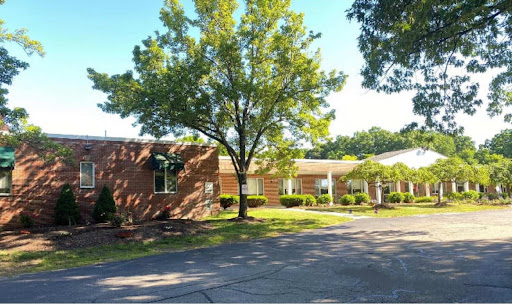
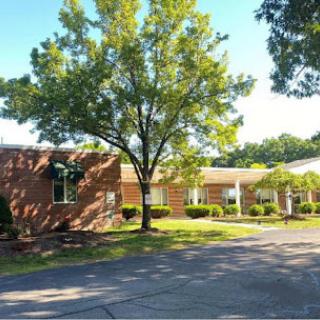
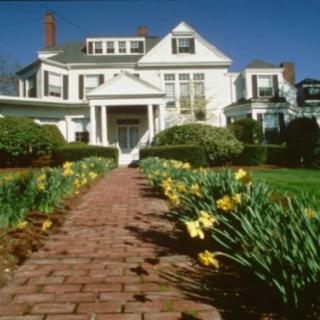
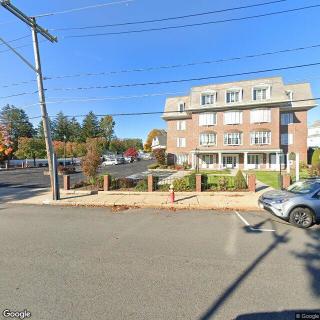
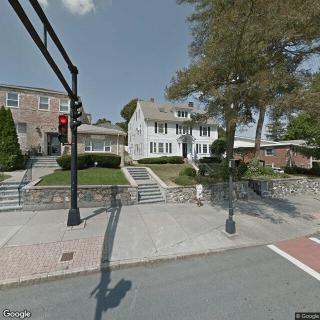
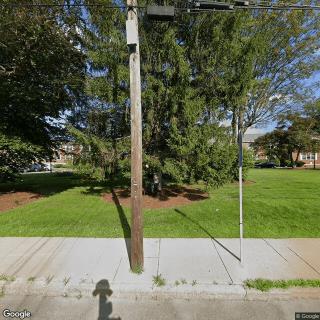
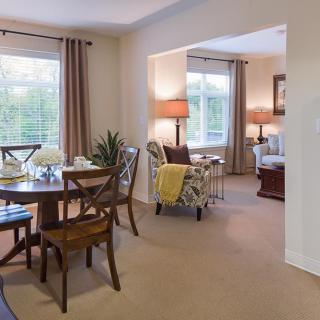
Charlwell House on seniors.fyi includes 9 photos including images showing decor, interior, tree, landscaping, exterior, urban, flag, indoor plants, and more.
Nearby Communities
Sunrise of Norwood
Norwood, MA
4.3 from 67 reviews
$3,660 to $6,600 / month
Friendly, caring staff in a home-like setting with engaging activities and strong dining options.
Home Helpers & Direct Link - Franklin, MA
Norwood, MA
Vibrant assisted living with convenient access to healthcare and local amenities.
Victoria Haven Nursing Facility
Norwood, MA
3.3 from 4 reviews
Friendly staff in a home-like setting with engaging activities.
Norwood Health & Rehabilation
Norwood, MA
1.6 from 24 reviews
Strong access to nearby healthcare and amenities
ComforCare Senior Services
Norwood, MA
Excellent access to nearby amenities and healthcare options.
New Pond Village
Walpole, MA
4.5 from 95 reviews
$3,800 to $6,500 / month
Warm, friendly staff with attractive common spaces, good dining, and flexible care options.
Norwood Healthcare
Norwood, MA
1.7 from 25 reviews
$7,080 to $7,590 / month
Convenient location for visits; friendly staff.
The Ellis Nursing and Rehab Center
Norwood, MA
3.1 from 44 reviews
Strong nearby amenities and healthcare access.
Benchmark Senior Living on Clapboardtree
Norwood, MA
4.7 from 66 reviews
$6,600 to $7,800 / month
Engaged staff with active resident programs and a clean, welcoming environment.
Senior move management provides specialized support for older adults relocating by assisting with logistics, emotional challenges, and downsizing decisions to ensure a smooth transition to new living environments. These services address the unique needs of seniors and have become increasingly important as baby boomers retire and seek to downsize.
Weight training is vital for seniors to maintain muscle mass, bone density, and overall health, combating age-related declines through customized resistance exercises that enhance balance and well-being. Safe routines should start with realistic goals and proper form, while emphasizing gradual progress and consultations with healthcare providers to ensure safety and effectiveness.
The Sandwich Generation comprises adults managing the dual responsibilities of caring for aging parents and raising children, leading to significant emotional, logistical, and financial challenges. This situation is exacerbated by longer life expectancies and cultural expectations, necessitating effective coping strategies and support resources to alleviate caregiver stress and burnout.
Get PricingAsk A QuestionSchedule A TourContact Senior Advisor
By clicking submit, you agree to our Partner's Terms of Use. You
also consent to receive calls and texts, which may be autodialed, from our Partner. Your consent is not a condition to
using our Partner's service. Please visit our Partner's Privacy Policy for information about their privacy practices.








 124 resident community capacity
 Skilled Nursing Facility
 Air-conditioning
 Beauty salon
 Cable or satellite TV
 Computer center
 Dining room
 Fitness room
 Fully furnished
 Gaming room
 Garden
 Housekeeping services
 Kitchenette
 Move-in coordination
 Outdoor space
 Private bathrooms
 Restaurant-style dining
 Small library
 Telephone
 Wellness center
 Wi-Fi/high-speed internet available
 Gen Edw L Logan International (16 miles away)
 Community operated transportation
 12-16 hour nursing
 24-hour call system
 Activities of daily living assistance
 Assistance with bathing
 Assistance with dressing
 Assistance with transfers
 Diabetes diet
 Medication management
 Mental wellness program
 Special dietary restrictions
 Concierge services
 Planned day trips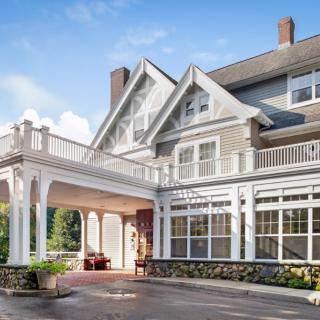
 Friendly, caring staff in a home-like setting with engaging activities and strong dining options.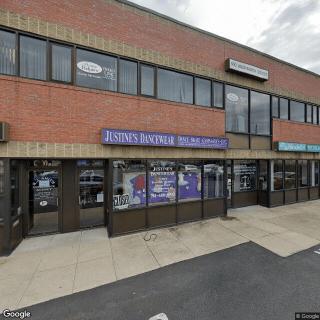


 Senior Move Management: Understanding the Role, Value, and Associated Costs
 Weight Training for Seniors: Building Strength and Vitality
 Understanding the Sandwich Generation: Stress and Responsibilities for Multigenerational Caregivers