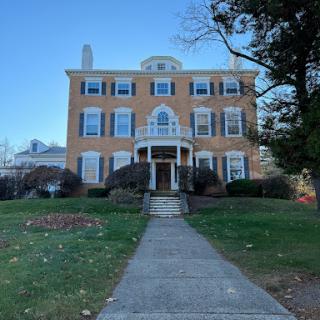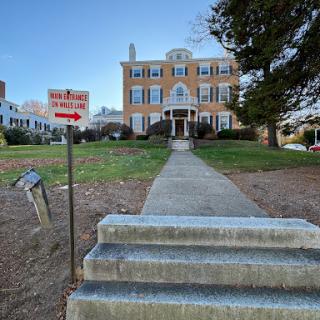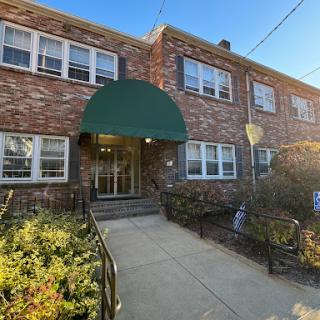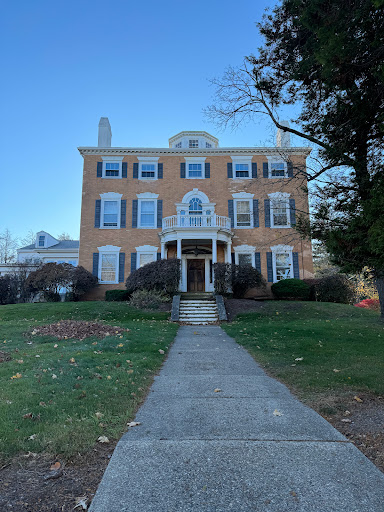
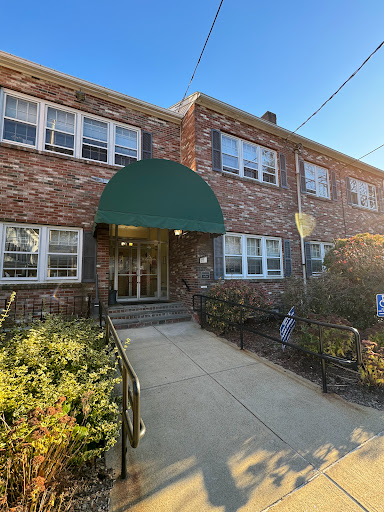
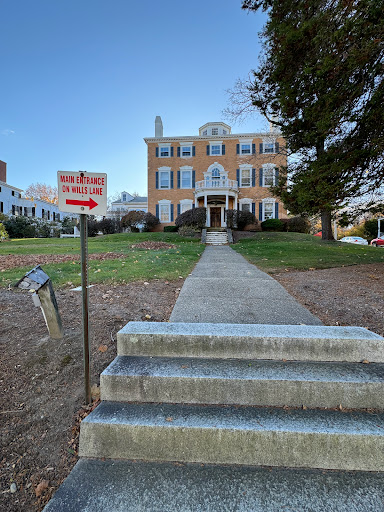
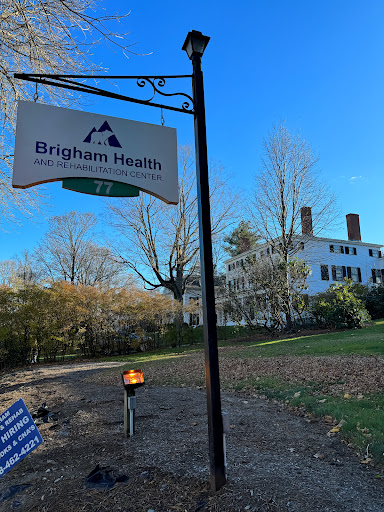
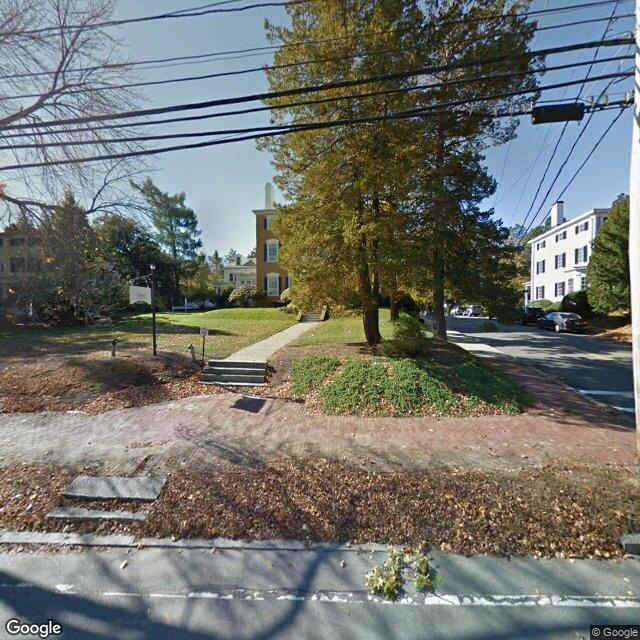
77 High Street, Newburyport, MA 01950
For more information about senior living options: (866) 208-4318
Brigham Health And Rehabilitation Center Costs & Pricing
At Brigham Health and Rehabilitation Center, the monthly costs for care reflect the unique offerings and quality of services provided. For a semi-private room, residents can expect to pay $6,900, which is notably higher than both the Essex County average of $5,800 and the state average of $5,805. In contrast, the cost for a private room at Brigham Health stands at $7,140, surpassing Essex County's average of $6,771 and Massachusetts' statewide average of $6,090. These figures indicate that while Brigham Health may come at a premium relative to local competitors and broader state averages, this investment often correlates with superior levels of care and amenities available to residents.
| Floor plans | Brigham Health And Rehabilitation Center | Essex County | Massachusetts |
|---|---|---|---|
| Semi-Private | $6,900 | $5,800 | $5,805 |
| Private | $7,140 | $6,771 | $6,090 |
Skilled Nursing Facilities with a similar price nearby
-
About the same
Den-Mar Health And Rehabilitation Center
$6,900 to $7,200 / month17.2 miles away -
About the same
Windham Terrace
$6,990 to $9,850 / month21.6 miles away -
from +$877 / mo
Broadway Care and Rehabilitation Center
$7,777 to $8,296 / month16.9 miles away -
About the same
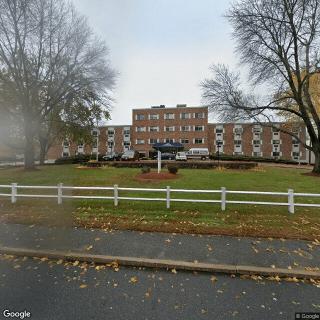
Country Center For Health & Rehabilitation
$6,840 to $7,590 / month1.4 miles away -
from +$1260 / mo
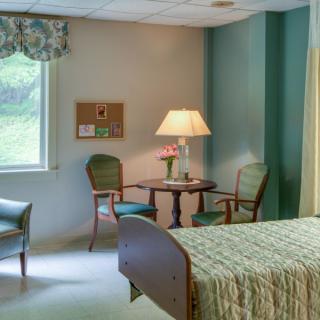
Academy Manor
$8,160 to $9,390 / month16.7 miles away
Overall Review of Brigham Health And Rehabilitation Center
Pros
 The staff were superb and the audience was awesome for the Musical Ventriloquist Comedy performance.
 - Stacy in Activities was specially thanked for her help.
- David volunteered to be the human dummy and wore the ventriloquist mask, adding to the show.
- Brigham Manor is a wonderful, caring, and kind environment where everyone is genuinely supportive of patients and residents.
- The operations and social worker staff are outstanding and serve as an important partner to families navigating bureaucracy.
- Brigham Manor feels vibrant and homey, with warm, nurturing, and skilled care.
Cons
 They were horrified by how dilapidated the facility was and how severely understaffed it was.
- The rooms were in disrepair after years of neglect.
- They would never place a loved one there.
- There was a total lack of compassion from staff when their mom died, with no apology offered.
- There was abuse by staff, including bruising on wrists from being grabbed, and a resident left to fend for herself during meals.
- A resident was found in a urine-soaked bed that smelled of old urine, and infections occurred in the common bathroom.
- The dining/common areas were crowded and cluttered, with residents shuffling around or staring at walls and no suitable space for families to meet.
Review
Brigham Health and Rehabilitation Center in Newburyport is best suited for families seeking a warm, community-oriented setting where daily life centers on interaction, activity, and a personal touch from staff. It can work well for long-term residents who value a lively, people-focused environment and for short-term rehab where encouragement and social engagement matter. However, serious caveats apply: the facility shows notable gaps in maintenance, staffing consistency, and safety oversight that can materially affect experience, especially for residents needing steady overnight supervision or highly regulated care. Those factors mean alternatives deserve serious consideration for anyone prioritizing predictable safety and pristine conditions.
Pros are real and tangible for the right resident. Several reviews praise a friendly daytime staff and a robust activities program, with residents kept engaged and treated with respect. The emphasis on social offerings and meaningful interaction repeatedly stands out, helping residents feel part of a community rather than merely cared for. The presence of a proactive social work and administrative team is noted as a meaningful advantage for families navigating care logistics and transitions. For families prioritizing connection, personal attention, and a lively, home-like atmosphere, these positives can create a strong, positive daily cadence.
Yet the negatives carry significant weight. Night staffing is frequently described as insufficient, which raises legitimate concerns about timely assistance, safety, and supervision during vulnerable hours. The physical environment is sometimes portrayed as dilapidated or cluttered, with reports of rooms and common areas not reflecting a truly polished, home-like setting. There are troubling anecdotes about gaps in clinical communication and end-of-life handling, along with concerns about infections, neglect indicators, and a lack of private, comfortable spaces for families to meet. Taken together, these issues point to a facility that can be adequate in warmth and activity but fall short on oversight and environment in ways that deeply affect resident well-being.
These pros and cons intersect in a way that defines who should consider Brigham as a viable choice. For residents who thrive on interaction, enjoy structured programming, and can tolerate variability in overnight supervision, the facility’s strengths may compensate for many flaws. The social atmosphere and daily attention from daytime staff can deliver meaningful quality of life, particularly for rehab stays or memory-care-adjacent needs where engagement matters. Conversely, for families whose priority is unwavering safety, pristine upkeep, consistent 24/7 staffing, and a consistently calm, well-monitored environment, the drawbacks are not easily dismissed and may justify exploring other options.
Given the mixed track record, it is prudent to have a plan for alternatives. If the goal is a consistently spotless environment with rigorous safety and dementia-specific routines, other facilities with stronger maintenance records and more predictable night coverage deserve serious consideration. The mixed feedback around care quality and environment suggests the need for thorough, hands-on evaluation, visits across different days and times, conversations with the administrator, and a careful review of incident history and staffing patterns. Brigham can be a good fit for the right person, but it requires a clear understanding of what may fail to meet expectations in moments of heightened need.
Decision-making should hinge on a disciplined checklist before committing. Practical steps include touring at various hours to gauge night coverage, inspecting rooms and bathrooms for cleanliness and safety, and asking for current staff-to-resident ratios on each shift. Families should request recent care plans, talk with front-line caregivers about daily routines, and verify how problems are escalated and resolved. It is essential to assess whether the resident’s personality and needs align with a community that thrives on social vitality and personal attention, while simultaneously weighing the realistic likelihood of maintaining high safety and maintenance standards. The right choice will balance the appeal of a welcoming, lively culture with the non-negotiables of reliable care, safety, and a well-kept physical environment.
 64 resident community capacity
 Skilled Nursing Facility
 Air-conditioning
 Beauty salon
 Cable or satellite TV
 Computer center
 Dining room
 Fitness room
 Fully furnished
 Gaming room
 Garden
 Housekeeping services
 Kitchenette
 Move-in coordination
 Outdoor space
 Private
 Private bathrooms
 Restaurant-style dining
 Small library
 Telephone
 Wellness center
 Wi-Fi/high-speed internet available
 Community operated transportation
 12-16 hour nursing
 24-hour call system
 Activities of daily living assistance
 Assistance with bathing
 Assistance with dressing
 Assistance with transfers
 Diabetes diet
 Medication management
 Mental wellness program
 Special dietary restrictions
 Concierge services
 Planned day trips



 Understanding Home Health Care: A Comprehensive Guide
 Home Health Care Demystified: A Comprehensive Guide for Families and Caregivers
 Seniors and Modern Transportation: Exploring Uber, Lyft, and Other Ride-Hailing Options