Briarwood Rehabilitation and Healthcare Center Costs & Pricing
Briarwood Rehabilitation and Healthcare Center offers a competitive pricing structure for its services, especially when compared to the broader market in Norfolk County and throughout Massachusetts. The monthly cost for a studio room at Briarwood is set at $2,895, which significantly undercuts the median prices in both Norfolk County ($5,282) and the state average ($5,312), making it an appealing option for those seeking affordability without compromising on quality care. In terms of private rooms, however, Briarwood's rate of $6,095 aligns closely with the state average of $6,090 while being slightly higher than the Norfolk County median of $5,047. This nuanced pricing reflects Briarwood's commitment to providing a supportive rehabilitation environment that caters to diverse needs whilst remaining mindful of budget considerations.
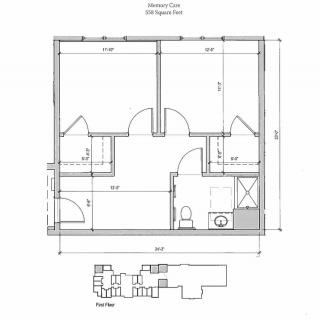
Floor plans
Briarwood Rehabilitation and Healthcare Center
Norfolk County
Massachusetts
Studio
$2,895
$5,282
$5,312
Private
$6,095
$5,047
$6,090
Overall Review of Briarwood Rehabilitation and Healthcare Center
common22 reviews mention this
Compassionate care stands out
Residents and families frequently describe staff as compassionate and caring.
Across many reviews, people say the nursing team and direct-care staff treat residents with kindness, compassion, and professionalism. Several caregivers specifically mention nurses and aides being attentive to day-to-day needs and supportive during rehab and recovery. Even when reviews include other problems, they often single out the staff as a reason they felt safer or more comfortable.
common18 reviews mention this
Cleanliness and renovations show up
Reviews repeatedly mention the building is kept clean, even during renovations.
Many reviews highlight cleanliness and a lack of unpleasant odors, with visitors describing the facility as clean and well kept. A number of comments also mention renovations in progress, including improvements to rooms and shared areas. Some reviewers still describe the overall building as older or dated, but the cleanliness theme stays consistent.
common10 reviews mention this
Therapy and rehab support improvement
Several residents describe effective therapy and steady rehab progress.
Multiple reviews credit physical and occupational therapy with helping residents regain strength and mobility. Some families also mention care plans being coordinated with case managers and therapists communicating about progress and discharge. That said, a few reviews report limited therapy time or missed rehab support, so experiences aren’t uniform.
caveat7 reviews mention this
Communication can be inconsistent
Some families report difficulty getting timely updates.
A recurring complaint is that families struggle to get information about a resident’s program, progress, or services. Several reviews describe waiting for responses by phone or receiving updates only after repeated follow-ups. Others also mention that communication with social workers or the care team could be clearer, even when overall care was otherwise viewed positively.
common9 reviews mention this
Activities keep residents engaged
Reviews describe recreation and events that help residents stay engaged.
Many reviews mention planned daily activities, entertainment, and events that residents can participate in. Recreation staff are named in a few comments, including praise for upbeat programming and special events that keep nursing-patient schedules from feeling empty. Reviews also describe the broader goal of keeping residents involved, including for dementia units.
caveat8 reviews mention this
Dining is a mixed experience
Dining quality and how meals are handled receive mixed feedback.
Some reviews describe the meals as acceptable or something residents will eat, and a few mention options for substitutions or dining-room choices. Other reviews criticize food quality and meal service in sharper terms, including complaints about food being low quality, not tailored, or handling in dining areas. The split shows up most in how consistent residents and families feel about meal quality and support.
How we summarize
Counts show how many written reviews mention each theme; a review can touch several themes, and only frequently mentioned themes are displayed.
Features
Housing
120 resident community capacity
Types of Care
Skilled Nursing Facility
Amenities
Activities off-site
Activities on-site
Air-conditioning
Beautician on-site
Beauty salon
Cable or satellite TV
Computer center
Dining room
Fitness room
Fully furnished
Gaming room
Garden
Housekeeping services
Indoor common areas
Kitchenette
Move-in coordination
Outdoor common areas
Outdoor space
Private bathrooms
Respite or short term stays offered
Restaurant-style dining
Small library
Telephone
Wellness center
Wi-Fi/high-speed internet available
Transportation
Gen Edw L Logan International (13 miles away)
Community operated transportation
Transportation arrangement
Transportation arrangement (non-medical)
Transportation to doctors appointments
Care Services
12-16 hour nursing
24-hour call system
24-hour supervision
Activities of daily living assistance
Assistance with bathing
Assistance with dressing
Assistance with transfers
Diabetes diet
High acuity care
Meal preparation and service
Medication management
Mental wellness program
Special dietary restrictions
Dining
Diabetes diet
Meals provided
Special dietary restrictions
Activities
Activities off-site
Activities on-site
Community-sponsored activities
Concierge services
Fitness programs
Planned day trips
Resident-run activities
Scheduled daily activities
Videos
Nearby Places of Interest
This part of Needham, Massachusetts offers a convenient and diverse range of amenities for senior living. There are multiple pharmacies within a few miles radius, making it easy to access necessary medications. In addition, there are various cafes and restaurants nearby for dining options. For healthcare needs, there are reputable physician offices and hospitals close by. Transportation options include several MBTA stations and the Framingham Logan Express for easy travel. Seniors can also enjoy recreational activities at nearby parks or catch a movie at one of the theaters in the area. Places of worship are also easily accessible for spiritual needs. Overall, this neighborhood provides a comfortable and well-rounded environment for senior residents to consider for their next home.
Pharmacies
Walgreens (0.5 miles)
CVS Pharmacy (3.3 miles)
CVS Pharmacy (3.4 miles)
CVS Pharmacy (3.8 miles)
Walgreens (4 miles)
CVS Pharmacy (4 miles)
CVS Pharmacy (4.1 miles)
Cafes
French Press Bakery & Cafe (0.5 miles)
Starbucks (3.7 miles)
Blue Bottle Coffee (4.8 miles)
Starbucks (5.2 miles)
Mike's Donuts (6.8 miles)
Starbucks (7.1 miles)
Brookside Cafe (7.1 miles)
Physicians
Dedham Medical (1.6 miles)
Guild Medical Center (6.1 miles)
Pediatric Associates of Wellesley (6.2 miles)
Dedham Medical Associates (7.3 miles)
Mersi (7.3 miles)
Mass. Eye and Ear (7.7 miles)
Bidmc Lowry Building (7.8 miles)
Parks
Cutler Park (2 miles)
Newton Highlands Playground (3.3 miles)
Natick Common (5.7 miles)
Larz Anderson Park (5.8 miles)
Pagel Playground (6.1 miles)
Hinckley Playground (6.6 miles)
Jamaica Pond (6.7 miles)
Restaurants
Echo Bridge Restaurant (2.7 miles)
McDonald's (3 miles)
Truly Yogurt (3.2 miles)
Chick-Fil-A (3.6 miles)
Eggs & Thai Cafe (3.6 miles)
Corrib Pub & Restaurant (4 miles)
Yard House (4.4 miles)
Hospitals
West Roxbury VA Hospital (3.3 miles)
Newton-Wellesley Hospital (3.9 miles)
New England Baptist Outpatient Care Center (4.8 miles)
Briarwood Rehabilitation and Healthcare Center offers a competitive pricing structure for its services, especially when compared to the broader market in Norfolk County and throughout Massachusetts. The monthly cost for a studio room at Briarwood is set at $2,895, which significantly undercuts the median prices in both Norfolk County ($5,282) and the state average ($5,312), making it an appealing option for those seeking affordability without compromising on quality care. In terms of private rooms, however, Briarwood's rate of $6,095 aligns closely with the state average of $6,090 while being slightly higher than the Norfolk County median of $5,047. This nuanced pricing reflects Briarwood's commitment to providing a supportive rehabilitation environment that caters to diverse needs whilst remaining mindful of budget considerations.
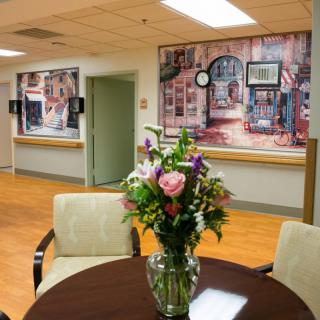
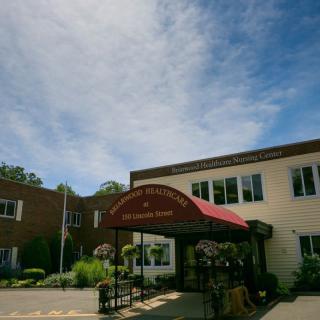
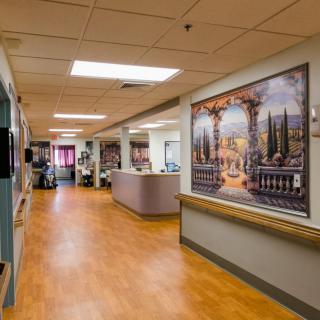
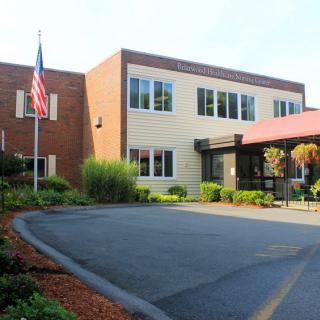
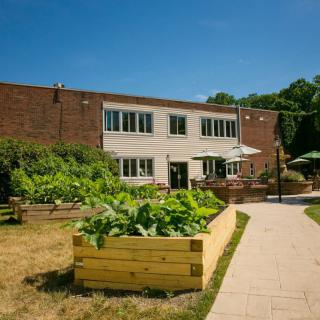
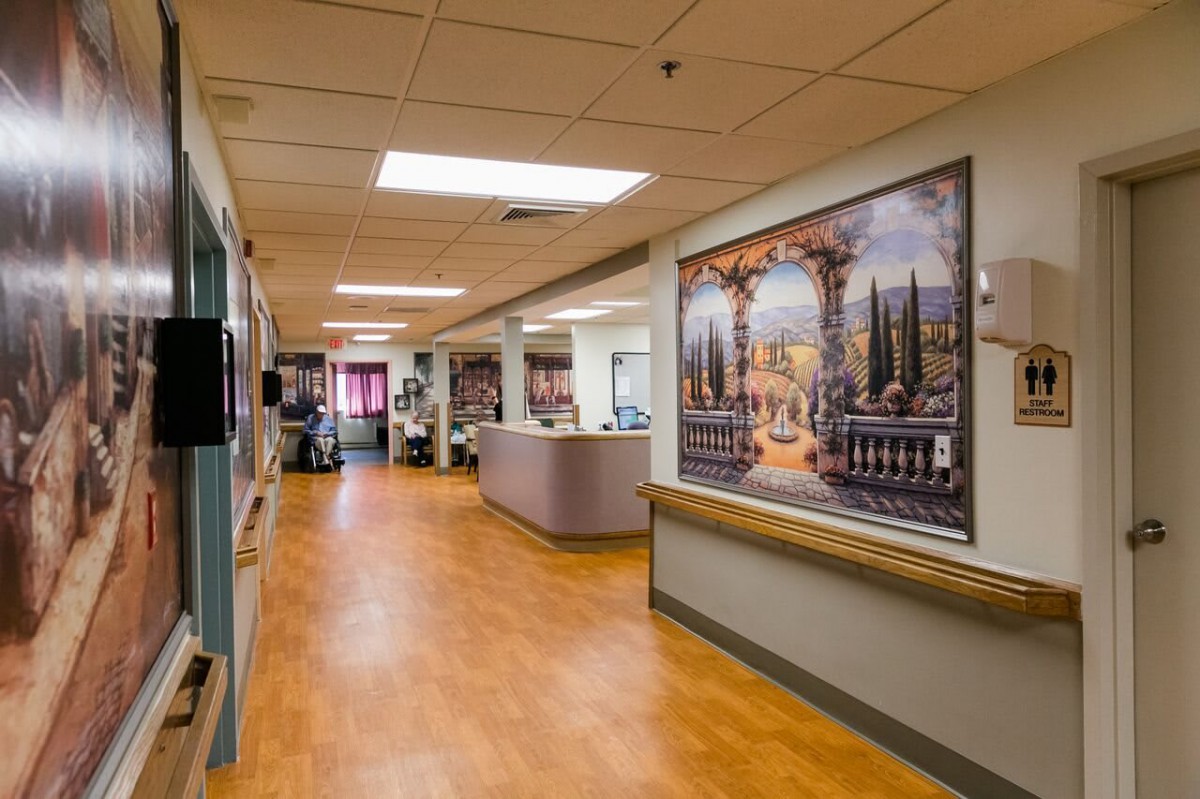
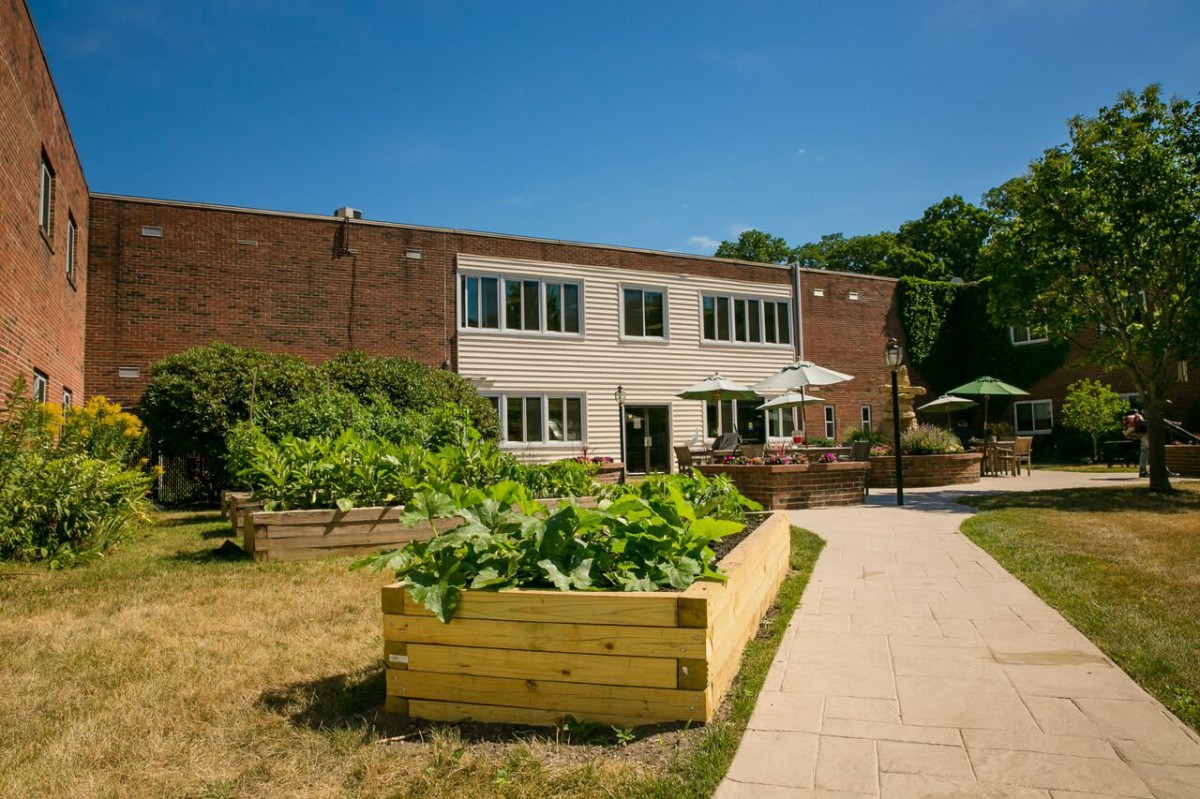
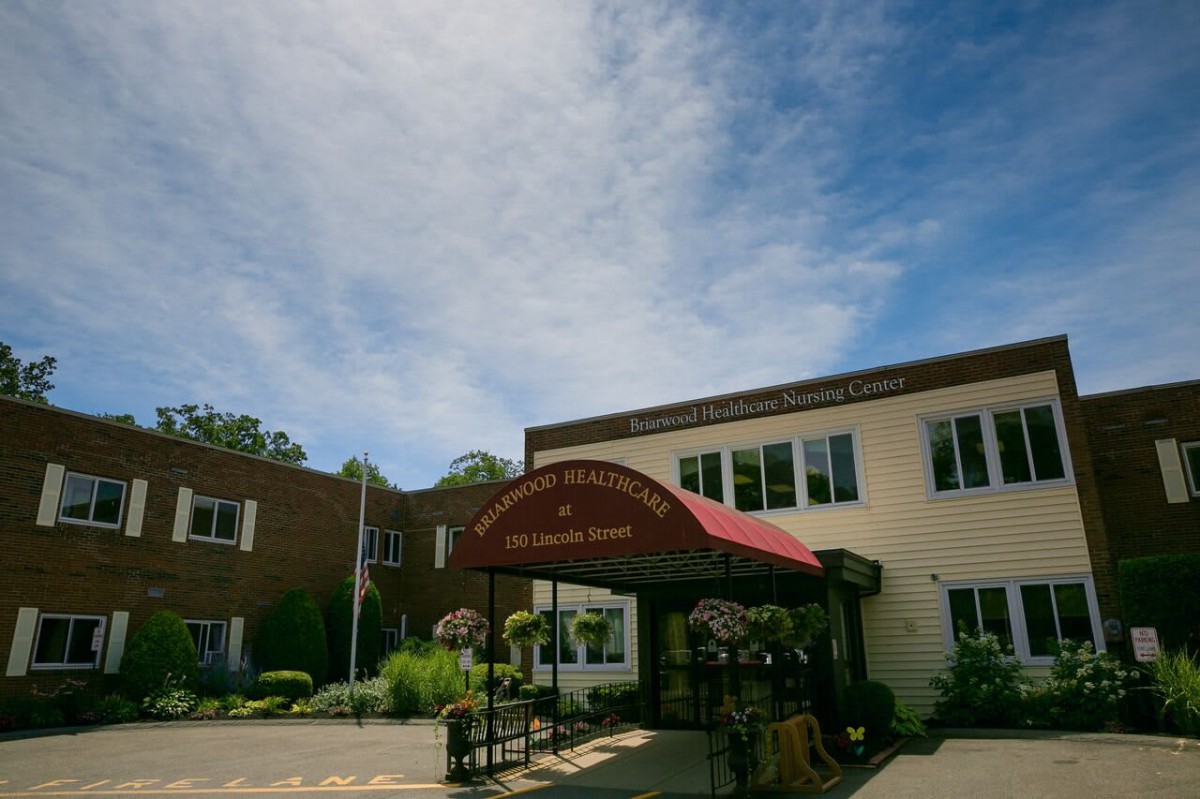
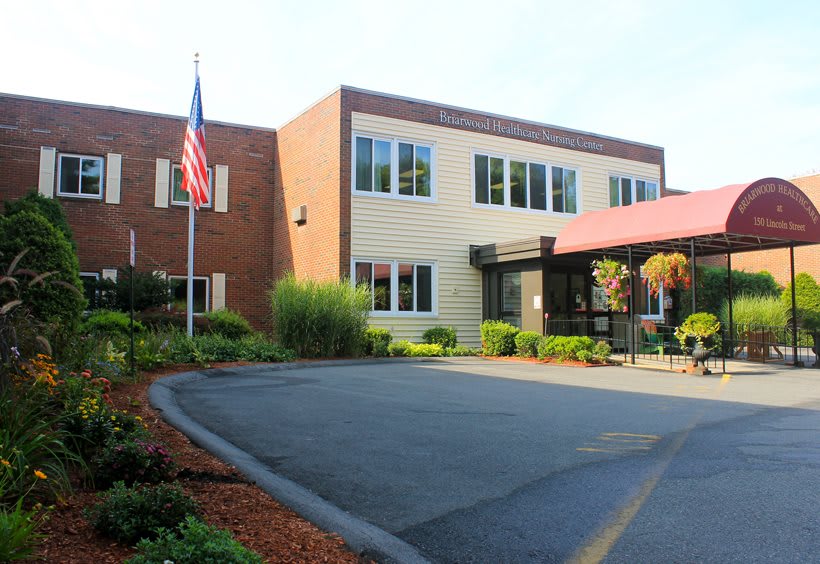
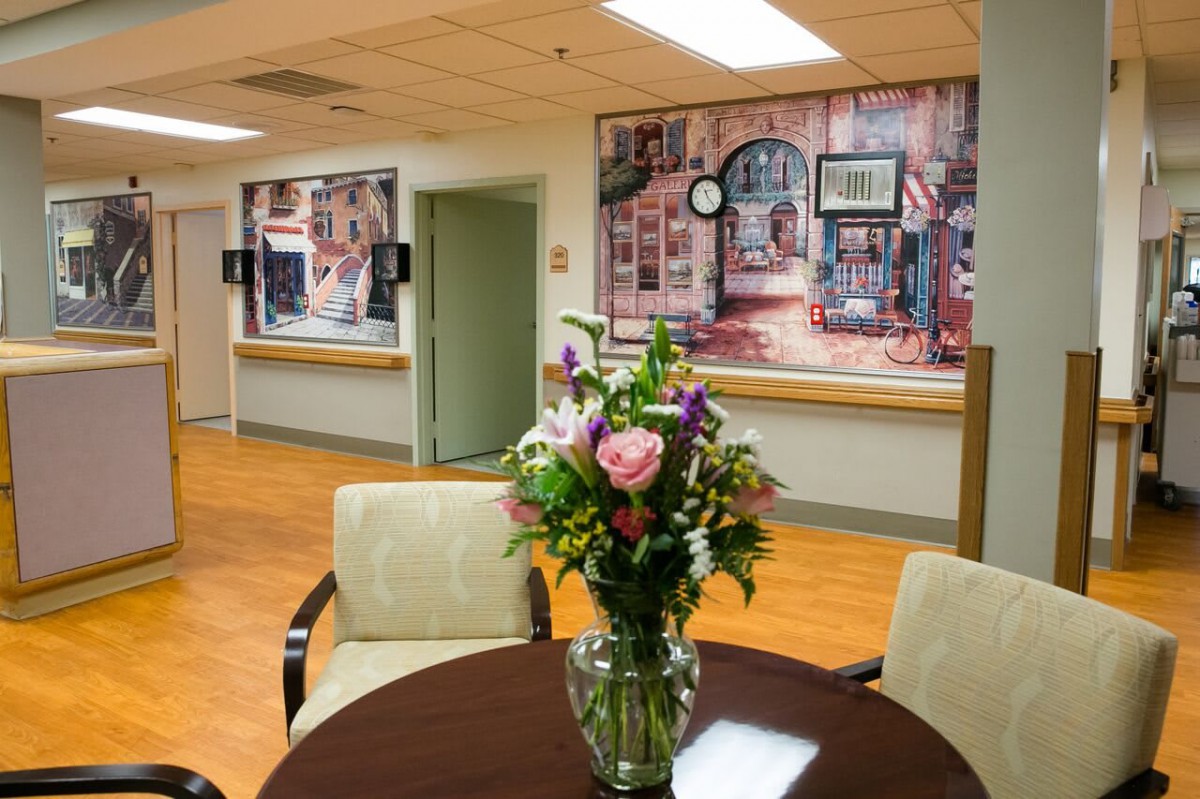
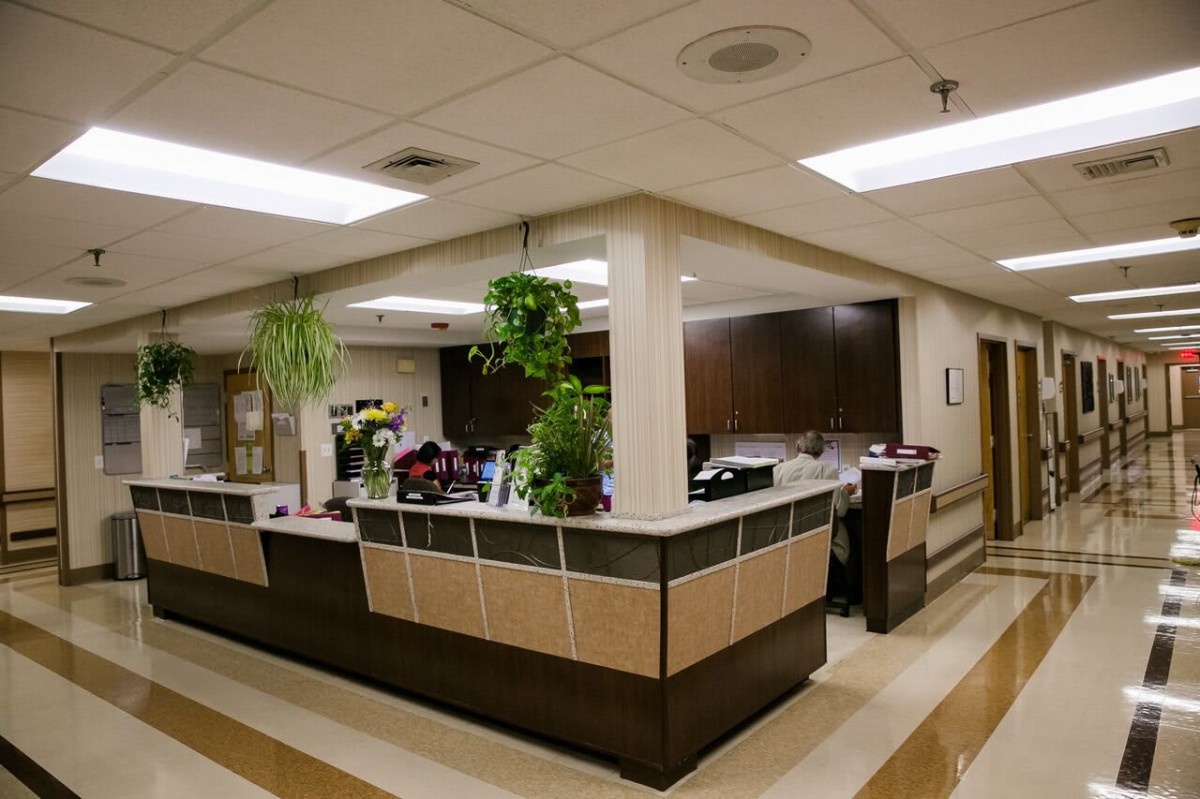
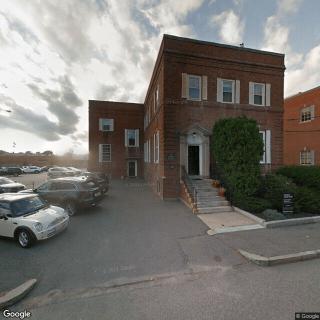
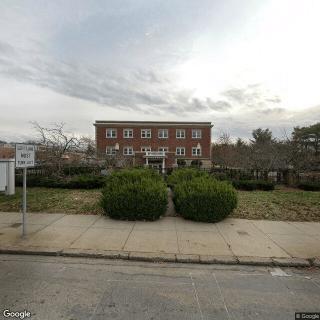
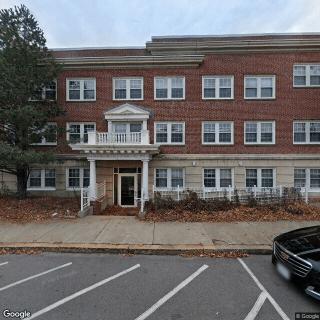
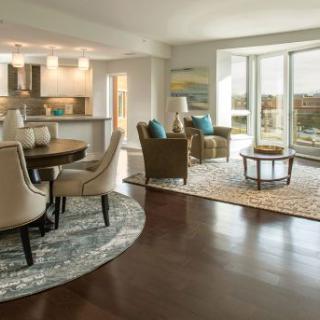
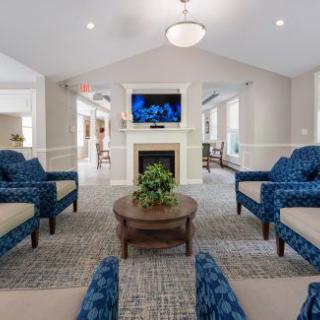
Briarwood Rehabilitation and Healthcare Center on seniors.fyi includes 7 photos including images showing building, interior, garden, entrance, trees, flag, landscaping, lobby, and more.
Nearby Communities
Beth Israel Deaconess Hospital
Needham, MA
2.7 from 117 reviews
Close to healthcare, dining, parks, and cultural amenities.
Chestnut Hollow Apartments
Needham, MA
4.7 from 3 reviews
$1,700 to $1,950 / month
Affordable rents for Needham with convenient access to cafes, parks, pharmacies, restaurants, transit, and healthcare.
Commonwealth Caregivers
Needham, MA
4.8 from 12 reviews
$4,600 / month
Friendly staff with 24/7 availability and affordable private?room pricing.
Avery Manor
Needham, MA
3.2 from 6 reviews
Initial phase satisfactory with rehab opportunities during transition.
Kindred Living at Needham Heights
Needham, MA
4.6 from 9 reviews
$3,300 to $6,500 / month
Caring staff and clean, spacious apartments with engaging activities.
North Hill
Needham, MA
4.3 from 44 reviews
Close-knit community with top-notch dining and extensive amenities.
Avita of Needham
Needham, MA
4.8 from 53 reviews
$6,775 to $9,995 / month
Friendly, attentive staff with strong rapport; engaging activities; clean, bright spaces; intimate memory care setting that enables personalized attention.
Wingate Residences at Needham
Needham Heights, MA
4.5 from 57 reviews
$5,660 to $10,000 / month
Luxurious amenities with attentive staff and robust dining/activities.
NewBridge on the Charles
Dedham, MA
4.8 from 24 reviews
$10,063 to $16,760 / month
Attentive staff with engaging memory-care programs and strong safety practices.
Home health care aides provide vital medical and non-medical support to individuals at home, assisting with daily living activities and promoting emotional well-being, while the demand for these services increases due to an aging population. Families benefit from in-home care's flexibility and cost-effectiveness but face challenges like scheduling consistency and caregiver turnover.
Older adults with urinary tract infections (UTIs) often present atypical symptoms, complicating diagnosis due to factors like incomplete bladder emptying and chronic health conditions that increase their susceptibility. Effective management involves prompt treatment with antibiotics, hydration, and preventive strategies while minimizing antibiotic resistance and focusing on holistic care approaches.
California's Form 602A is a vital tool for evaluating the health needs of seniors seeking residential care, detailing their medical conditions and daily living requirements to ensure proper service alignment. This standardized form enhances communication among physicians, families, and facilities, serving as a regulatory measure for admissions and ongoing care while adapting to changing healthcare practices.
Briarwood Rehabilitation and Healthcare Center photos
×
Interior
Outdoors
Decor
Building
Trees
Interior
Decor, Healthcare, Painting, and Hallway
Landscaping and Flag
Building
Trees
Garden, Outdoor, and Pathway
Artwork, Lobby, and Waiting Area
Entrance
Outdoors and Awning
Additional Photos
Get PricingAsk A QuestionSchedule A TourContact Senior Advisor
By clicking submit, you agree to our Partner's Terms of Use. You
also consent to receive calls and texts, which may be autodialed, from our Partner. Your consent is not a condition to
using our Partner's service. Please visit our Partner's Privacy Policy for information about their privacy practices.


 120 resident community capacity
 Skilled Nursing Facility
 Activities off-site
 Air-conditioning
 Beautician on-site
 Cable or satellite TV
 Computer center
 Dining room
 Fitness room
 Fully furnished
 Gaming room
 Garden
 Housekeeping services
 Indoor common areas
 Kitchenette
 Move-in coordination
 Outdoor common areas
 Private bathrooms
 Respite or short term stays offered
 Restaurant-style dining
 Small library
 Telephone
 Wellness center
 Wi-Fi/high-speed internet available
 Gen Edw L Logan International (13 miles away)
 Community operated transportation
 12-16 hour nursing
 24-hour call system
 Assistance with bathing
 Assistance with dressing
 Assistance with transfers
 Diabetes diet
 High acuity care
 Medication management
 Mental wellness program
 Special dietary restrictions
 Concierge services
 Planned day trips
 Close to healthcare, dining, parks, and cultural amenities.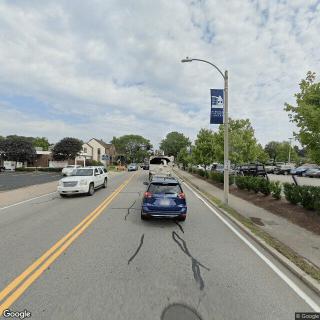

 Home Health Care Aides: Understanding Their Role and Supporting Your Family
 Urinary Tract Infections in Older Adults: Comprehensive Insights on Symptoms, Treatment, and Prevention
 California's Form 602A: An In-Depth Examination of Senior Care Assessment