
111 Headwaters Drive, Harwich, MA 02645
For more information about senior living options: (866) 208-4318
Overall Review of Wingate At Harwich
Pros
 The nurses and aides were very professional, vigilant, caring, respectful, and empathetic.
- The food was tasty and nutritious.
- The rooms were very clean.
- The admin staff and social services staff were in regular communication.
- The memory care unit staff are very special and care about their patients.
- The rehab team was exceptional in helping the patient regain ADLs and return home safely.
- Amanda always greeted visitors with a smile.
- The staff were wonderful to the patient and to the family during a difficult time.
Cons
 They called and left a message but never received a callback.
- The call button was broken the entire time, preventing them from calling for help.
- They were told there was a nurse-to-patient ratio of one nurse and two CNAs to 32 patients, leaving little time for individual care.
- They were kept behind a closed door, which made them feel isolated.
- A tube was caught in the lift and ripped out, causing severe pain and an emergency surgery.
- They waited almost two days to see a doctor, and a nurse told them to call an ambulance.
- Clothes disappeared after family members brought them in, with staff saying they'd check with laundry.
Review
Wingate At Harwich is best suited for seniors who need post-acute rehabilitation and can benefit from a structured therapy plan, with families ready to stay actively involved to monitor day-to-day care. The core value proposition here is a rehab-forward environment where progress hinges on intensive therapy and discharge planning. For residents with a clear goal of regaining independence and returning home, the program can deliver tangible gains when oversight by family or a trusted advocate is present to ensure the care plan stays on track. This is not a facility that thrives on hands-off management; it rewards families willing to press for clear communication and timely attention to evolving needs.
Those who should consider alternatives are families seeking consistently reliable, high-touch daily care with prompt response to calls, steady front-line communication, and a consistently clean, safe living environment. The reviews paint a pattern of uneven responsiveness and gaps in basic safety routines, including call buttons that donā€™t stay within reach and delays in medical evaluation. Several accounts point to staffing strain and limited bedside attention, which translates into frustration for residents and anxiety for families. When predictable, around-the-clock attentiveness is non-negotiable, a facility with a stronger daily-care culture may be a more suitable fit.
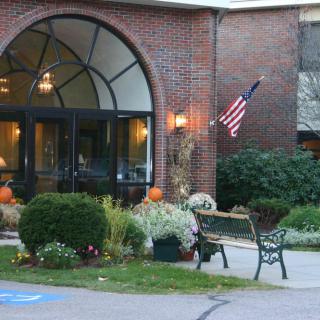
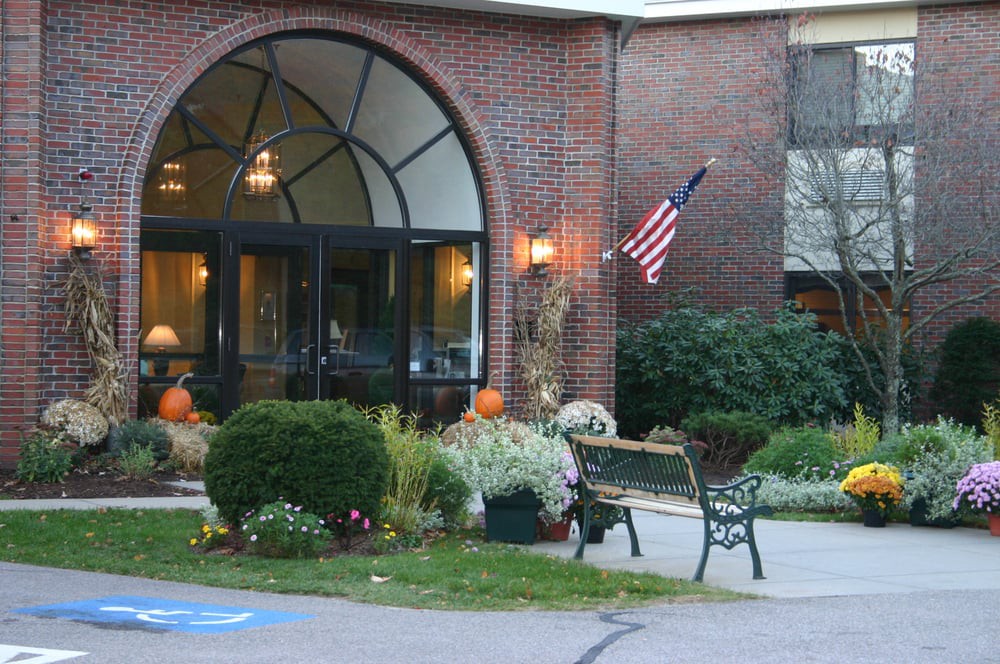
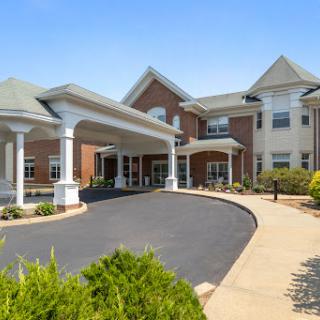
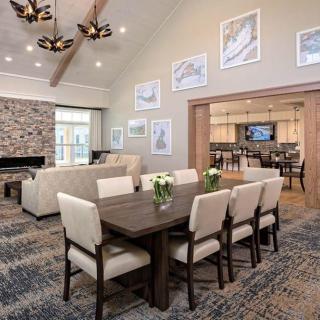
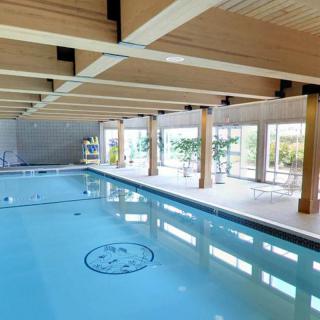
The strongest upside centers on the rehab capability. When therapy teams are engaged and present, residents make observable strides in function and activity tolerance, with discharge planning that often emphasizes returning home or to a familiar setting. Some reviewers credit therapists and rehab staff with professionalism, knowledge, and a cadence of progress that provides real value in post-acute recovery. Cleanliness and a welcoming public-facing environment are mentioned in some accounts as positives that support comfort during recovery. In short, the rehab component can be compelling enough to offset other gaps for families that weigh functional improvement above all else.
Yet the list of drawbacks is substantial and persistent. Frontline nursing and aides are frequently described as inconsistent or unresponsive, with reports of call bells being hard to reach or not readily accessible to residents. Family members describe miscommunications, delays in essential medical review, and situations where basic safety and hydration were not optimally managed. The sensory atmosphere, odor, noise in common areas, and occasional lapses in room maintenance, appears to undermine confidence in the daily living experience. Food quality and kitchen service are noted by some as variable, which matters for residents who require consistent, appetizing nutrition during recovery.
Safety concerns and accountability emerge as a recurring theme. Several reviews recount troubling incidents or near-misses, a lack of timely follow-through on concerns raised by families, and an impression that staff turnover or training gaps limit the ability to keep a consistently high standard of care. This is not simply a matter of occasional rough days; it reflects a pattern that families must scrutinize. For families evaluating Wingate At Harwich, this means asking pointed questions about incident reporting, staff training, and the mechanisms that ensure continuous improvement across shifts and units. It also means requesting direct access to recent state surveys and discharge summaries to gauge how the facility handles accountability.
In the end, Wingate At Harwich can be a reasonable choice for those prioritizing a robust rehab trajectory and who are prepared to partner closely with the team to compensate for gaps in frontline care. The key is to enter with clear expectations, a plan for regular family involvement, and a readiness to escalate concerns promptly when care standards falter. For families whose primary concern is reliable daily custodial care, consistent, responsive staffing, and strong everyday safety practices, alternatives with demonstrated strengths in those dimensions will likely offer greater long-term peace of mind. Practical next steps include touring the community with a checklist focused on staffing patterns, call-system reliability, and current resident feedback; requesting to observe a shift change; and reviewing the latest state survey findings to form a grounded, apples-to-apples comparison with other nearby options.
 135 resident community capacity
 Skilled Nursing Facility
 Air-conditioning
 Beauty salon
 Cable or satellite TV
 Computer center
 Dining room
 Fitness room
 Fully furnished
 Gaming room
 Garden
 Housekeeping services
 Kitchenette
 Move-in coordination
 Outdoor space
 Private bathrooms
 Restaurant-style dining
 Small library
 Telephone
 Wellness center
 Wi-Fi/high-speed internet available
 Barnstable Mun Boardman Polando (10 miles away)
 Community operated transportation
 12-16 hour nursing
 24-hour call system
 Activities of daily living assistance
 Assistance with bathing
 Assistance with dressing
 Assistance with transfers
 Diabetes diet
 Medication management
 Mental wellness program
 Special dietary restrictions
 Concierge services
 Planned day trips


 Skilled Nursing Facilities vs. Nursing Homes: Making Sense of the Differences
 A Detailed Examination of Nursing Home Costs Across the U.S.
 Exploring Nonmedical Home Care: Understanding Services, Costs, and Financial Approaches