
111 Headwaters Dr, Harwich, MA 02645
To contact a resident: (508) 430-1717
For more information about senior living options: (866) 208-4318
Overall Review of Epoch Senior Healthcare of Harwich
Pros
 The staff were wonderful to her and to the family during this trying time, with gracious and kind receptionists and cleaners.
 - Rehab staff were exceptional in helping him regain ADLs and return home safely.
- Amanda consistently greeted visitors with a smile and made them feel welcome.
- The memory care team was very special, caring, and compassionate toward their patients.
- The rooms were very clean and well maintained.
- The food was tasty and nutritious.
- The therapy department was great and helped residents meet their goals.
- The nurses and aides were professional, caring, and empathetic.
- The admin and social services staff communicated regularly with families.
- The staff managed medications and arranged private accommodations during end-of-life care.
Cons
 They contacted as requested, but only heard voicemail, left a message, and never got a callback.
- The patient was in the facility for a week unable to walk, with a broken call button the entire time, and was yelled at when a neighbor called on their behalf; the ratio of staff to patients was described as unacceptable.
- The patient almost fell out of bed, was kept behind a closed door, and the lift ripped a tube out of their kidney, requiring surgery and causing extreme pain.
- The patient sat for nearly two days before seeing a doctor, with a nurse arriving at 11 p.m. and sending an ambulance.
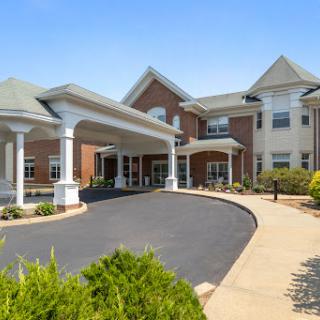
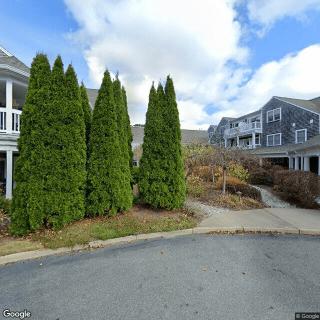
- The dad’s experience was horrible despite the building looking nice.
- A family’s clothes disappeared and staff said they needed to check with laundry.
- A man in the neighboring bed fell and hit his head and had to be hospitalized.
- When staff changed or cleaned, the call button wasn’t placed within reach, forcing the patient to turn the TV up loud to get attention.
- The patient is frustrated and depressed, wanting to get out.
- The patient ended up back in the hospital severely dehydrated because hydration wasn’t ensured; blood pressure went crazy.
- The facility is described as a “death trap” and should be avoided.
- The rehab unit was criticized as poor quality with unfriendly, neglectful staff and is under state billing investigation for services not provided.
- Nursing units do not answer the phone, making communication awful.
- The ice machine was always broken; CNAs were rude and rough; nurses were described as incompetent; family communication was poor; the floors were dirty and clothes were lost or given to someone else; a patient was allegedly hit by a CNA and nothing was done.
Review
Epoch Senior Healthcare of Harwich is best suited for families pursuing a rehab-focused option in Harwich who can actively supervise care. When therapy teams are aligned and a core group of caregivers demonstrates consistency and warmth, residents can make real mobility gains and experience respectful treatment. Across reviews, the picture is uneven: some staff are professional, the facility can be clean, and therapy can be effective; other accounts describe chronic understaffing, missed safety basics, and difficult communication with families. That mix makes clear expectations essential and demands ongoing advocacy from relatives, especially for medically fragile elders who require reliable nurse contact and prompt response to concerns.
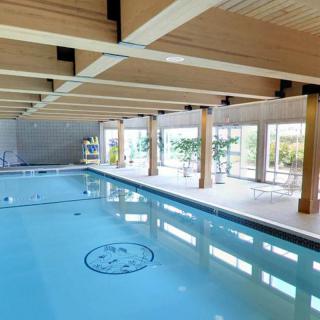
Positive signals include capable therapy services and moments of genuine care from particular aides and nurses, with memory-care staff sometimes singled out for attentiveness. Clean rooms and a generally orderly environment appear in some reports, and a handful of frontline staff, names repeatedly mentioned for their competence, demonstrate what steady care looks like. When the front desk and rehab team operate well, the experience can feel professional and supportive. However, these strengths are not universal, and the variance from shift to shift is striking, making consistent quality unreliable unless families monitor closely.
The persistently troubling themes are safety and responsiveness. Call buttons are reportedly left out of reach or ignored, doctors sometimes visit late, and several reviews cite delays that leave patients uncomfortable or at risk. Staffing ratios are implied to be insufficient, with claims of a single nurse for dozens of residents and only a couple of aides, a setup risky during emergencies. Hydration lapses and medication-management gaps recur, and there are concrete accounts of injuries and near misses requiring hospital care. Family members report lost clothing, laundry chaos, stifling odors, and loud TV distractions that impede rest. Communication failures, phone lines, updates, and discharge planning, alternate with moments of clarity, but the overall pattern is inconsistent enough to undermine trust during a vulnerable period.
Ultimately, the positives matter only when balanced against the negatives. Strong therapy and visible empathic care can drive meaningful improvement in ADLs, and attentive memory-care staff can deliver reassuring consistency. Yet these gains depend on a functioning, accountable system elsewhere, adequate staffing, reliable call-bell access, clean environments, and timely medical oversight. The best-case reality resembles the favorable reports about dedicated caregivers and successful rehab, while the worst-case reality aligns with the numerous stories of neglect, miscommunication, and safety lapses. For families, the takeaway is that quality hinges on daily personnel stability and proactive family involvement.
Due diligence should be rigorous. Schedule conversations with the DON and administrator, request to observe an entire shift to test call-bell responsiveness and how emergencies are handled, and review the current rehab timetable, hydration protocols, and meal quality. Inspect rooms, laundry processes, and the system for handling lost belongings. Request evidence of recent regulatory findings and how management resolved them, and verify the existence of a reliable family-update protocol and phone access. Ask for the name and performance history of the nurse-manager on the floor, and seek candid references from current residents or families about day-to-day care. If red flags persist after these checks, treat alternatives as the safer choice.
Bottom line: Epoch Harwich presents a high-stakes choice. It can deliver rehab progress and pockets of compassionate care, but the breadth of safety and communication concerns argues for extreme caution. This community is most appropriate for families prepared to supervise intensely and advocate relentlessly, accepting significant day-to-day variability. For seniors who require steady medical oversight, dependable call systems, and predictable routines, stronger options exist nearby. Weigh those alternatives seriously; they typically offer clearer safety records and more consistent staffing, reducing risk while still providing the rehabilitative and memory-support services that families need.
 Skilled Nursing Facility
 Barnstable Mun Boardman Polando (10 miles away)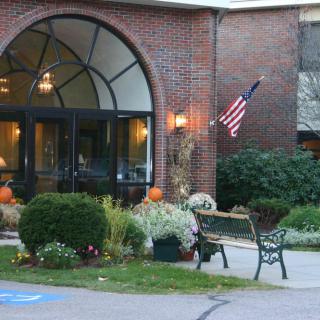



 Understanding the Sandwich Generation: Stress and Responsibilities for Multigenerational Caregivers
 8 Essential Assistive Devices for Older Adults
 Navigating the Financial Road to Nursing Home Care: In-Depth Guidance and Resources