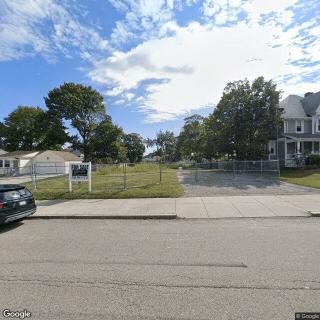
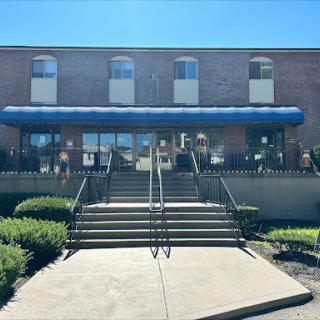
Sarah S. Brayton Nursing Center in Fall River, MA

Save

  • Interior

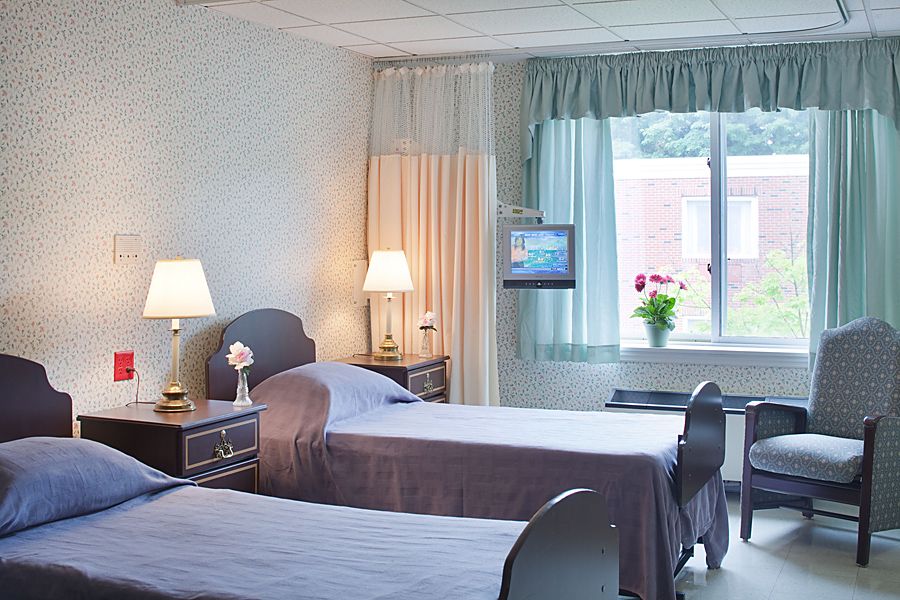
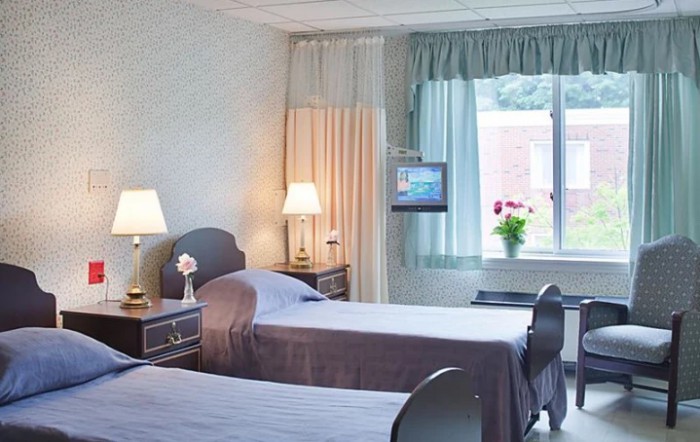
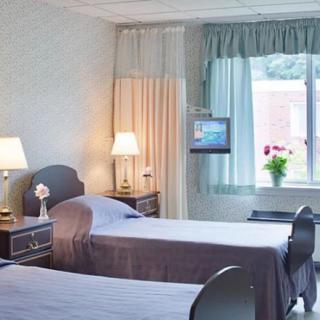
    A clean and organized hospital room with two beds and a window view.
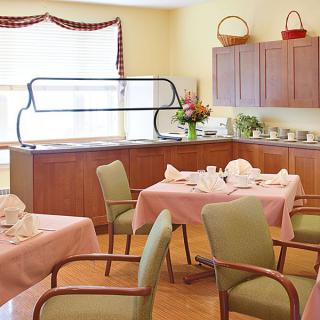
  • Decor

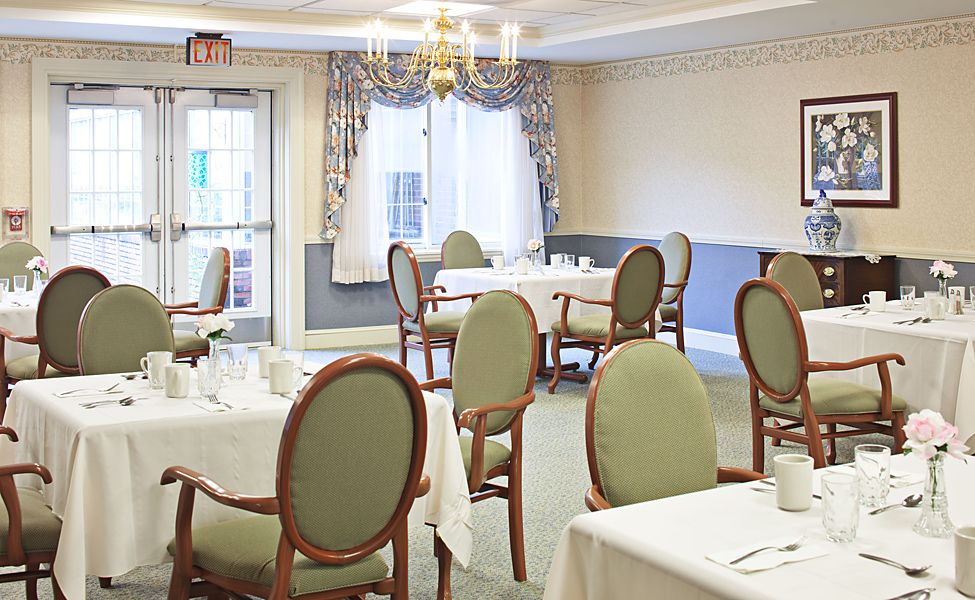
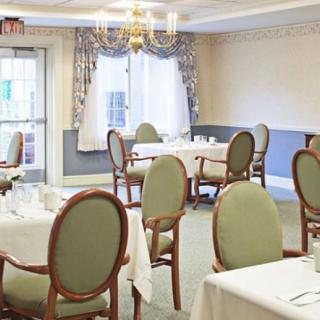
    An elegantly furnished dining room with multiple tables and chairs arranged neatly under a chandelier.
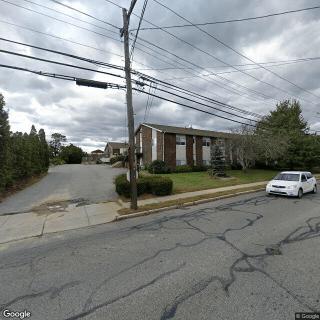
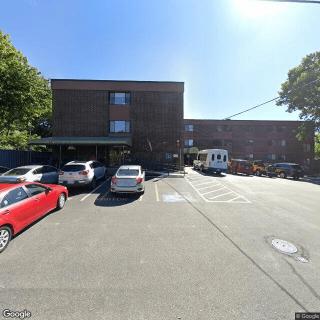
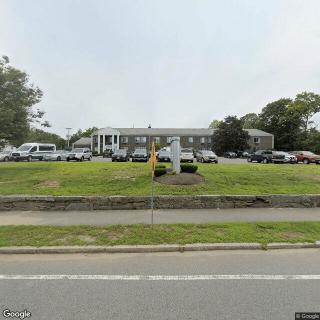
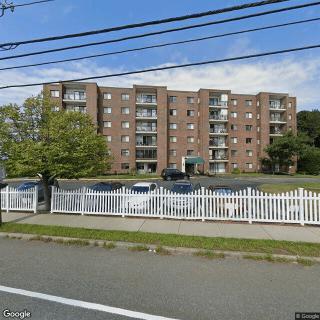
  • Building

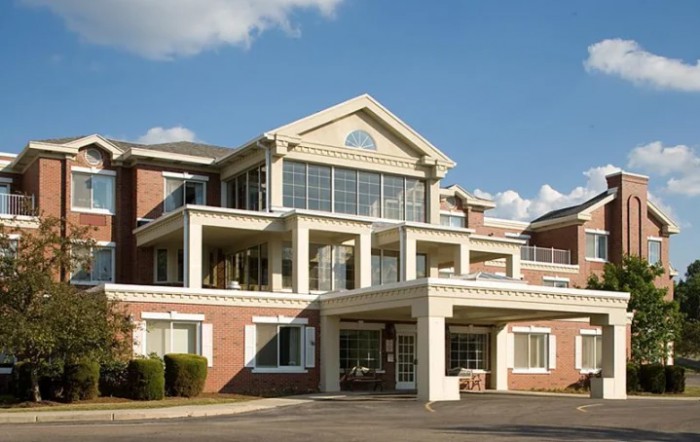
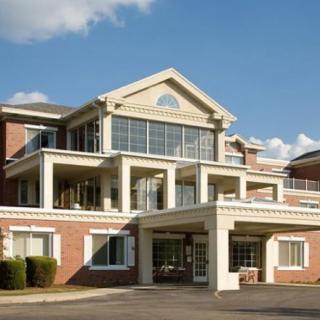
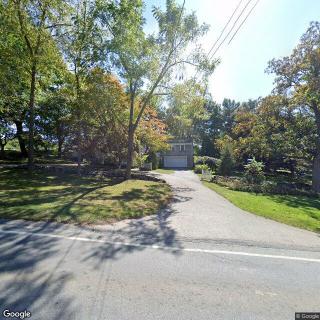
    A multi-story residential building with a prominent entrance and large windows.
  • Bedroom

    A hospital room with two beds, soft lighting, and a window view.
  • Windows

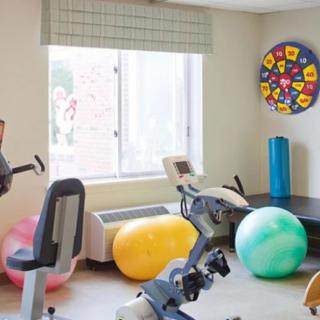
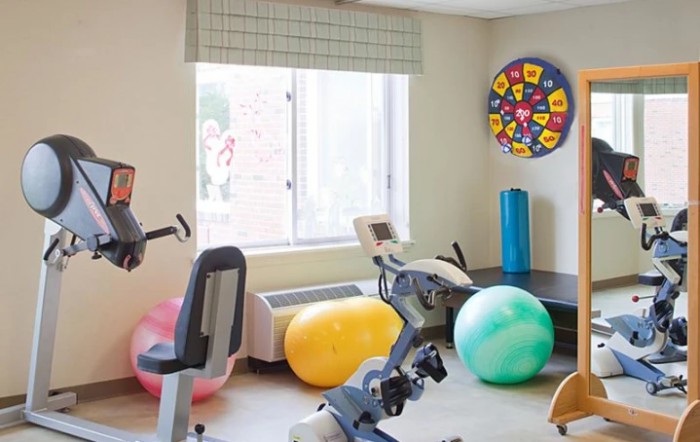
    A small exercise room equipped with a stationary bike, colorful exercise balls, and a window providing natural light.
  • Dining

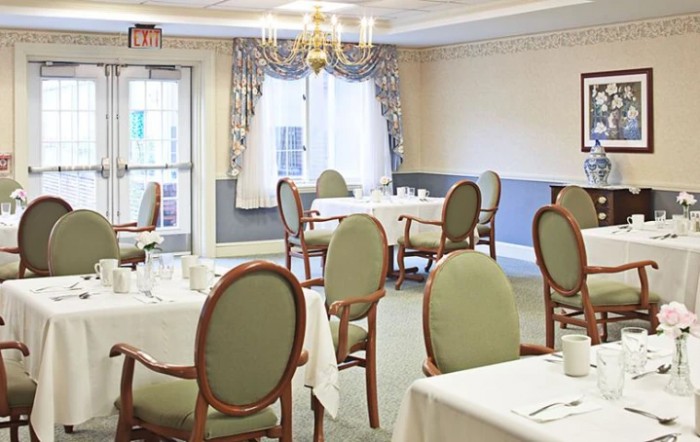
    An elegant dining room setup with formally arranged tables and chairs.

Sarah S. Brayton Nursing Center in Fall River, MA

Information last verified:

4901 North Main Street, Fall River, MA 02720

For more information about senior living options: (844) 490-3973

3.6 from 111 reviews
5 stars
61
4 stars
10
3 stars
4
2 stars
4
1 stars
32

Sarah S. Brayton Nursing Center Costs & Pricing

The Sarah S. Brayton Nursing Center offers private rooms at a monthly rate of $8,610, which reflects the quality and comprehensive care provided at this facility. In comparison, the average cost for similar accommodations in Bristol County is significantly lower at $6,165, while the statewide average in Massachusetts stands at $6,090. This variance highlights the center's unique offerings and specialized services that cater to individual needs, justifying its higher price point within the local market. Despite the elevated costs, families may find reassurance in knowing that they are opting for a facility with a reputation for attentive care and superior resident support.

Floor plansSarah S. Brayton Nursing CenterBristol CountyMassachusetts
Private$8,610$6,165$6,090

Overall Review of Sarah S. Brayton Nursing Center

Pros

  • pro The activities team at Sarah Brayton Nursing Center is truly exceptional; Sheryl, Jannish, and Jessica go above and beyond in everything they do.
  • pro The nursing and therapy staff are caring, patient, and consistently go above and beyond for their residents.
  • pro The facility is clean, beautifully decorated, and welcoming.
  • pro Kelsey in Admissions makes the process seamless when seeking long-term care.
  • pro The front desk/reception staff are friendly and helpful, creating a positive first impression.
  • pro The staff are praised for treating residents with respect and dignity around the clock.
  • pro The center offers a wide range of engaging activities that keep residents busy and socially connected.

Cons

  • pro The facility is described as the absolute worst place with awful care and unresponsiveness.
  • pro Weekend staffing is non-existent and no services are available on weekends.
  • pro A family member alleges their loved one was left in feces for two days and dinner was forgotten on multiple nights.
  • pro Staff are accused of stealing residents' clothing and personal items.
  • pro The food is described as disgusting, not nutritious, and often served cold.
  • pro The management is described as horrendous with little department coordination and overworked staff.
  • pro Medications are frequently not administered on time and hygiene is neglected.
  • pro The building is old and in disrepair, with broken blinds and stained ceilings.
  • pro There are reports of serious safety lapses, including falls and delays in hospital transfers.
  • pro Several reviewers urge others not to use the facility, calling it incompetent, uncaring, and even asking it to be shut down.

Review

Sarah S. Brayton Nursing Center in Fall River is best suited for families seeking a rehabilitation-leaning environment with a strong emphasis on social activity and personable, engaged caregivers. The facility shines for short-term residents who value robust activity programming, frequent interaction with a creative activities team, and therapists who can help a patient regain function in a supportive,.forward-facing setting. When residents are well-matched to the Sagamore and short-term rehab pathways, the atmosphere can feel welcoming, with clean public areas, well-lit common spaces, and staff who listen and respond with empathy. For families prioritizing companionship, daily engagement, and a warm, human touch from frontline caregivers, Brayton delivers meaningful benefits.

That said, there are clear reasons to consider alternatives. Families whose priorities include unwavering reliability, minute-by-minute responsiveness, and a consistently pristine environment may want to explore other options. Several reviews describe routine gaps in care that cannot be ignored, delays in medication administration, inconsistent attention to hygiene, and occasional lapses in basic safety and cleanliness. If a loved one requires highly predictable staffing, 24/7 prompt response, and a transparent, tightly run operation, Brayton’s inconsistencies may become a source of ongoing anxiety. For residents with complex medical needs, particularly those who require vigilant oversight, a facility with a more streamlined, consistently staffed model could be a better fit.

The positives at Brayton are anchored in its people-driven strengths. The activities team, led by standout staffers like Sheryl, Jannish, and Jessica, consistently earns praise for compassion, creativity, and the ability to generate meaningful engagement for residents across long-term and short-term stays. Families repeatedly cite the admissions process as seamless, with admissions and social services staff (notably Kelsey and Angel) who are responsive, empathetic, and capable of translating medical information into clear next steps. Therapists and nursing teams are frequently described as caring and capable, delivering practical progress in rehab and maintaining a welcoming, dignified tone even on challenging days. When these elements align, Brayton becomes an encouraging, home-like place where residents establish relationships, look forward to activities, and experience respectful, individualized care.

Yet the consensus on the main drawbacks is equally forceful. The most persistent concerns center on staffing patterns and organizational coordination. Reviewers report weekend coverage gaps and inconsistent staffing levels that leave families feeling distant from the care team and unsure who is in charge on a given shift. Medication timing and administration are cited as recurring issues, with delays that disrupt comfort and treatment plans. Cleanliness and laundry management appear uneven, and several accounts describe rooms and linens that were not promptly addressed. These operational fragilities can undermine the otherwise strong personal touches from frontline staff, eroding trust during a vulnerable period of transition or rehabilitation.

Another cluster of concerns focuses on management and cross-department communication. Families describe miscommunications between admissions, nursing, social work, and the kitchen, and a few Accounts receivable and administrative interactions have left a few families wary about follow-through and documentation. The old building and some dated room conditions contribute to a sense of fatigue about upkeep, and a subset of reviews recount perceived neglect or disrespectful behavior from staff. Taken together, these experiences do not merely punctuate the Brayton experience; they threaten the consistency and safety that families rely on during recovery or long-term care planning.

The key question becomes how the facility’s strengths can offset its weaknesses in a real-world decision. For families where the resident’s day-to-day life is buoyed by strong activity programming, friendly, caring nursing staff, and reliable access to rehab services, Brayton’s pro-activity and human-centered care can outweigh some gaps in consistency, provided there is active family or advocate involvement to monitor care plans, timely med administration, and hygiene standards. To tilt the balance toward a positive outcome, families should demand transparent staffing profiles on each unit, request regular, structured communication with the unit manager or director of nursing, and insist on clear, written goals for rehab and daily care. A frank admissions and care-planning meeting with social services and the nursing leadership should be scheduled early, with concrete expectations about potty/toileting assistance, linen changes, and meal delivery.

For families considering Brayton, the advisability rests on aligning expectations with realities. If the resident thrives on social interaction, enjoys structured activities, and benefits from a strong therapy program, Brayton can be a compelling choice, so long as therapy-to-patient time remains consistent, meals and hygiene are prioritized, and the leadership demonstrates a sustained commitment to improving operations. If, instead, the priority is ironclad reliability, impeccable cleanliness, and predictable, timely care across all shifts, it is prudent to explore alternatives in the area and compare metrics such as staff ratios, turnover, and on-time medication delivery.

In the end, Brayton represents a practical option with genuine strengths in staff warmth, activity programming, and rehabilitative momentum. The decision should rest on a candid assessment of whether the care-team dedication can be consistently replicated day in and day out, and whether current gaps in staffing, communication, and basic upkeep are acceptable given the resident’s medical and personal needs. For families willing to engage actively and demand concrete oversight, Brayton can fulfill a meaningful role in a loved one’s care plan. For others, a careful tour, focused conversations with the nursing leadership, and comparison with nearby facilities will determine whether Brayton is the best fit or if a more consistently executed alternative should be pursued.

Features

Housing

  • 21 resident community capacity 21 resident community capacity

Types of Care

  • Skilled Nursing Facility Skilled Nursing FacilitySkilled Nursing Facilities are crucial for seniors as they provide round-the-clock medical care, rehabilitation services, and assistance with daily activities. These facilities ensure that seniors receive the specialized care they need to maintain their health and well-being as they age.

Amenities

  • Beauty salon Beauty salonBeauty salons are important for seniors because they provide a space for them to feel pampered, socialize, and maintain their personal grooming and hygiene. Regular visits to a beauty salon can help boost seniors' self-esteem and overall well-being.
  • Cable or satellite TV Cable or satellite TVCable or satellite TV is important for seniors because it provides entertainment, news, and companionship, helping to combat loneliness and boredom. It also offers a wide range of programming options tailored to different interests and preferences.
  • Dining room Dining roomDining rooms are important for seniors as they provide a space for socialization, connection, and nutritious meals. They offer opportunities for residents to bond over shared meals, foster a sense of community, and promote healthy eating habits. Dining rooms also ensure that seniors have access to well-balanced meals tailored to their dietary needs and preferences.
  • Fully furnished Fully furnishedFully furnished senior living communities are important for seniors because they provide convenience, comfort, and a hassle-free moving experience. Seniors can easily settle into their new living space without the stress of having to buy and move furniture. This allows them to focus on enjoying their new home and community.
  • Garden GardenGardens are important for seniors as they provide a peaceful and therapeutic environment for relaxation, physical activity, and socialization. Being in nature has been shown to reduce stress, improve mood, and promote overall well-being. Gardens also offer opportunities for seniors to engage in gardening activities, which can improve mobility, flexibility, and cognitive function. Additionally, gardens create a sense of community and connection with others who share a passion for plants and outdoor spaces.
  • Housekeeping services Housekeeping servicesHousekeeping services are important for seniors because they help maintain a clean and safe living environment, promote independence, and reduce the risk of accidents or illnesses. Additionally, having assistance with household chores can alleviate physical strain and allow seniors to focus on other aspects of their well-being.
  • Kitchenette KitchenetteKitchenettes are important for seniors living in senior living communities because they provide the convenience and independence of being able to prepare simple meals and snacks in the comfort of their own living space. This can help promote a sense of autonomy and well-being for seniors, allowing them to maintain some level of control over their dietary choices and daily routines.
  • Move-in coordination Move-in coordinationMove-in coordination is important for seniors because it helps ease the transition into their new living environment. It ensures that all logistics, such as packing, organizing movers, and setting up utilities are taken care of, allowing seniors to focus on settling in and adjusting to their new home. Having a smooth move-in process can alleviate stress and anxiety, making the transition smoother and more enjoyable for seniors.
  • Outdoor space Outdoor spaceOutdoor spaces are important for seniors as they provide opportunities for physical activity, social interaction, exposure to natural light and fresh air, and a sense of connection to nature. Having access to outdoor spaces can improve overall well-being and quality of life for older adults living in senior communities.
  • Private PrivatePrivacy is important for seniors as it allows them to maintain their independence, dignity, and sense of control over their own lives. It also gives them the space and freedom to relax, reflect, and engage in activities that bring them joy and fulfillment. Creating private spaces within senior living facilities is crucial for promoting overall well-being and quality of life.
  • Telephone TelephoneTelephones are important for seniors as they provide a lifeline for communication with loved ones, emergency services, and healthcare providers. They offer a sense of security and independence, enabling seniors to stay connected and access assistance when needed.
  • Wi-Fi/high-speed internet available Wi-Fi/high-speed internet availableWi-Fi/high-speed internet is important for seniors to stay connected with loved ones, access online resources, and participate in virtual activities to combat feelings of loneliness and isolation. It also allows them to easily manage healthcare needs, access entertainment, and engage in lifelong learning opportunities.

Transportation

  • Theodore F Green State (16 miles away) Theodore F Green State (16 miles away)

Care Services

  • 24-hour call system 24-hour call system24-hour call systems are important for seniors because they provide peace of mind and immediate assistance in case of emergencies. This technology ensures that help is always available, promoting safety and security for elderly individuals living alone or in assisted living facilities.
  • 24-hour supervision 24-hour supervision24-hour supervision is important for seniors to ensure their safety, well-being, and access to immediate assistance in case of emergencies or health issues. This constant support provides peace of mind for both seniors and their loved ones, allowing them to age in place with dignity and security.
  • Activities of daily living assistance Activities of daily living assistanceActivities of daily living assistance are important for seniors because they provide essential support with tasks such as eating, bathing, dressing, and mobility. This assistance helps seniors maintain their independence, dignity, and overall quality of life as they age.
  • Assistance with bathing Assistance with bathingAssistance with bathing is crucial for seniors as it helps maintain personal hygiene, prevents infections, and ensures their overall well-being and comfort. It also provides a sense of dignity and independence for seniors who may struggle with this task on their own.
  • Assistance with dressing Assistance with dressingAssistance with dressing is important for seniors because it helps maintain their independence, promotes personal hygiene, prevents accidents and injuries, and improves overall quality of life. This service ensures that seniors can continue to dress comfortably and confidently, despite any physical limitations they may have.
  • Assistance with transfers Assistance with transfersAssistance with transfers is crucial for seniors as it helps prevent falls and injuries, maintains their independence, and ensures they can safely navigate their living environment. It also provides peace of mind for both seniors and their loved ones.
  • Coordination with health care providers Coordination with health care providersCoordination with health care providers is crucial for seniors to ensure proper medical care, medication management, and overall well-being. This collaboration helps prevent overlapping treatments, track progress more effectively, and provide comprehensive support tailored to individual needs.
  • Diabetes diet Diabetes dietA diabetes diet is crucial for seniors as it helps manage blood sugar levels, reduce risks of complications, and improve overall health and well-being. By following a balanced and nutritious diet tailored to their specific needs, seniors can better control their diabetes and enhance their quality of life.
  • Meal preparation and service Meal preparation and serviceMeal preparation and service are crucial for seniors as they may have limited mobility or energy to cook nutritious meals. Having access to healthy and convenient food options can ensure they are getting the proper nutrition needed to maintain their overall health and well-being.
  • Medication management Medication managementMedication management is crucial for seniors to ensure they are taking the right medications at the correct dosages and times. This helps prevent adverse drug interactions, reduces the risk of medication errors, and promotes overall health and well-being. Proactive management also allows for adjustments as needed based on changing health conditions or new prescriptions.
  • Mental wellness program Mental wellness programMental wellness programs are essential for seniors as they promote cognitive stimulation, emotional support, and social engagement. These programs help prevent isolation, depression, and cognitive decline, ultimately enhancing the overall quality of life for older adults.
  • Special dietary restrictions Special dietary restrictionsSpecial dietary restrictions are important for seniors because age-related changes in metabolism and health conditions can make it difficult for their bodies to process certain foods. By following a diet tailored to their specific needs, seniors can maintain their overall health and well-being, manage chronic conditions, and reduce the risk of complications such as malnutrition or food interactions with medications.
  • Transportation arrangement (medical) Transportation arrangement (medical)Transportation arrangements for medical purposes are essential for seniors as they may have difficulty driving themselves to appointments or accessing public transportation. Having reliable and safe transportation options ensures that seniors can receive timely medical care and maintain their health and well-being.
  • Transportation to doctors appointments Transportation to doctors appointmentsTransportation to doctors' appointments is crucial for seniors as it ensures they have access to necessary medical care and support for their health needs. Without reliable transportation, seniors may struggle to attend important appointments, leading to potential delays in treatment and health complications. Providing transportation services helps seniors maintain their overall well-being and quality of life.
Dining

  • Diabetes diet Diabetes dietA diabetes diet is crucial for seniors as it helps manage blood sugar levels, reduce risks of complications, and improve overall health and well-being. By following a balanced and nutritious diet tailored to their specific needs, seniors can better control their diabetes and enhance their quality of life.
  • Special dietary restrictions Special dietary restrictionsSpecial dietary restrictions are important for seniors because age-related changes in metabolism and health conditions can make it difficult for their bodies to process certain foods. By following a diet tailored to their specific needs, seniors can maintain their overall health and well-being, manage chronic conditions, and reduce the risk of complications such as malnutrition or food interactions with medications.

Activities

  • Community-sponsored activities Community-sponsored activitiesCommunity-sponsored activities are important for seniors as they provide opportunities for social interaction, mental stimulation, and physical activity. These activities can help improve overall well-being, combat loneliness and isolation, and promote a sense of belonging and purpose among older adults.
  • Scheduled daily activities Scheduled daily activitiesScheduled daily activities are important for seniors because they provide structure, socialization, mental stimulation, and physical activity. Engaging in regular activities can improve overall well-being and quality of life for seniors living in a community setting.

Description

The Sarah S. Brayton Nursing Center in Fall River, MA is an assisted living community that provides a range of amenities and care services to its residents. The community offers fully furnished apartments with cable or satellite TV, Wi-Fi/high-speed internet, a kitchenette, and private telephone lines. Residents can enjoy the outdoors in the beautiful garden and outdoor spaces.

The nursing center provides 24-hour supervision and assistance with activities of daily living, such as bathing, dressing, and transfers. It also offers coordination with health care providers and medication management for residents who require medical support. The staff at Sarah S. Brayton Nursing Center follows special dietary restrictions to ensure residents receive proper nutrition and meal preparation and service are provided.

Residents can participate in scheduled daily activities to promote mental wellness and engage socially with their peers. Additionally, transportation arrangements are available for medical appointments both within the local area and to nearby hospitals. For convenience, there are parks, pharmacies, physicians' offices, and restaurants located close by.

At Sarah S. Brayton Nursing Center, residents can expect a comfortable living environment with comprehensive care services tailored to their individual needs.

Nearby Places of Interest

This part of Fall River, Massachusetts, offers a variety of amenities within close proximity. There are multiple pharmacies nearby for convenience, as well as several reputable physicians and medical centers providing healthcare services. In terms of dining options, there are fast food restaurants like Sonic Drive-In and McDonald's, as well as local favorites such as Railway Cafe and Tipsy Seagull. For leisure activities, residents can enjoy the outdoors at parks like Freetown State Forrest and Massasoit State Park. Additionally, there are cafes like Mirasol's Cafe and Starbucks for socializing or enjoying a cup of coffee. The area also has easy access to hospitals like Charlton Memorial Hospital and St Anne's Hospital for any medical needs. Overall, this part of Fall River provides a mix of healthcare options, dining choices, recreational opportunities, and essential services that cater to senior living needs.

Pharmacies

  • CVS Pharmacy (3.3 miles)
  • CVS Pharmacy (3.6 miles)
  • CVS Pharmacy (4.5 miles)
  • Rite Aid (4.7 miles)
  • Walgreens (4.8 miles)
  • Rite Aid (5.4 miles)
  • Natures Medicines (5.8 miles)

Physicians

  • Somerset-Swansea Medical Center (3.3 miles)
  • Center For Eye Health (3.4 miles)
  • Highland Obstetrics & Gynecology (3.6 miles)
  • Plastic Surgery of Southern New England (3.8 miles)
  • Prima Care (4.5 miles)
  • Psychiatric Care Counseling (4.6 miles)
  • Angela Haliburda, DO (5.6 miles)

Restaurants

  • Sonic Drive-In (3.5 miles)
  • Railway Cafe (3.8 miles)
  • McDonald's (5 miles)
  • Tipsy Seagull (5 miles)
  • Macray's Seafood II (7.2 miles)
  • Family Ties Restaurant (7.4 miles)
  • Del's Lemonade & Refreshments (8.8 miles)

Hospitals

  • Charlton Memorial Hospital (3.8 miles)
  • Andrew Sucov, MD - St Anne's Hospital (5.3 miles)
  • Norton & Associates (8.8 miles)
  • Taunton State Hospital (10.1 miles)

Parks

  • Freetown State Forrest (3.9 miles)
  • Colt State Park (9.9 miles)
  • Loon Pond Lodge at Ted Williams Camp (10.3 miles)
  • Massasoit State Park (10.6 miles)

Cafes

  • Mirasol's Cafe (10.1 miles)
  • Starbucks (10.1 miles)
  • Coastal Roasters (10.5 miles)
  • Dunkin (10.8 miles)
  • Starbucks (11.2 miles)

Theaters

  • AMC Dartmouth Mall 11 (10.2 miles)

Frequently Asked Questions

How much does it cost to live at Sarah S. Brayton Nursing Center in Fall River, MA?
Where is Sarah S. Brayton Nursing Center?
What photos are available for Sarah S. Brayton Nursing Center in Fall River, Massachusetts?

Nearby Communities

  • Bay View

    Bay View

    Fall River, MA

    4.5 from 8 reviews
    $3,800 to $4,300 / month

    pro Strong property management and caregiving with prompt maintenance and smooth move-in/out.

  • Catholic Memorial Home

    Catholic Memorial Home

    Fall River, MA

    3.9 from 18 reviews
    $3,000 / month

    pro Affordable $3,000/mo semi-private rate with broad amenities and 24/7 care.

  • Fall River Healthcare

    Fall River Healthcare

    Fall River, MA

    2 from 50 reviews
     

    pro Some staff provided compassionate, quality care (notably in pulmonary rehab and hospice units).

  • Somerset Ridge Center

    Somerset Ridge Center

    Somerset, MA

    3.9 from 87 reviews
     

    pro Fully furnished private rooms with 24/7 supervision and comprehensive support.

  • Hunters Hill Settlement

    Hunters Hill Settlement

    Dighton, MA

    5 from 1 review
     

    pro Personalized dining, medication management, and dietary accommodations.

  • Rosewood Rest Home

    Rosewood Rest Home

    Fall River, MA

    4 from 1 review
     

    pro Compassionate staff and a clean, welcoming environment.

  • Kimwell Nursing And Rehabilitation

    Kimwell Nursing And Rehabilitation

    Fall River, MA

    3.9 from 90 reviews
    $4,195 / month

    pro Compassionate, dedicated nurses and caregivers.

  • Clifton Assisted Living Community

    Clifton Assisted Living Community

    Somerset, MA

    4.8 from 73 reviews
    $3,644 to $6,911 / month

    pro Well-maintained, clean facility with a warm, welcoming atmosphere, friendly staff, and an active social calendar.

  • Clifton Rehabilitation Nursing Center

    Clifton Rehabilitation Nursing Center

    Somerset, MA

    4.8 from 116 reviews
     

    pro Clean, pleasant setting with friendly staff and engaging activities.

Related Resources

  • how much does 24/7 in home care cost per monthUnderstanding the Full Cost of 24/7 In-Home Care: A Detailed Overview

    The guide outlines the rising costs of 24/7 in-home care, ranging from $10,000 to over $20,000 monthly, driven by factors such as location and caregiver qualifications. It discusses the limited coverage by Medicare and private insurance, potential Medicaid support, and the emotional and living condition considerations influencing families' decisions on care arrangements.

  • home health nurseExploring the World of Home Health Nurses: Qualifications, Roles, and Hiring Tips

    Home health nursing is an expanding field where licensed professionals provide specialized medical care in patients' homes, addressing the needs of an aging population through personalized services like assessments and medication management. Effective collaboration with healthcare teams, cultural sensitivity, and quality assurance measures are essential for fostering trust and ensuring positive patient outcomes.

  • does medicare cover home health careNavigating Medicare Coverage for In-Home Care Services
    Medicare covers in-home health care services, which are medical and provided by licensed professionals under a physician's supervision, whereas non-medical personal assistance is generally not covered unless part of a broader skilled care plan. Eligibility for benefits depends on being homebound and needing intermittent skilled services from a Medicare-certified agency, with specific coverage limitations and additional resources available for navigating options.