

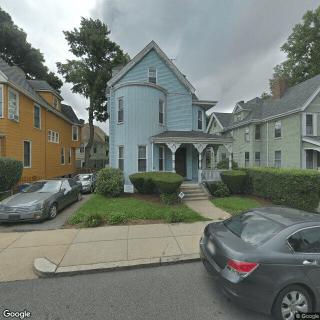
53 Hartford St, Dorchester, MA 02125
To contact a resident: (617) 445-1868
For more information about senior living options: (866) 208-4318
Overall Review of Burgoyne Rest Home
Pros
 Ann's is a good, homey, friendly place.
- Everyone is nice there.
- The staff are kind and welcoming.
- It feels like home.
Cons
 The reviewer states that the facility literally put a resident recovering from heart surgery in the street.
- The reviewer notes that the resident was told her bed had been given away while she was in the hospital.
- The reviewer describes these actions as inhumane, unethical, and evil.
- The reviewer would not want to leave even one star.
- The reviewer warns others not to send a loved one there, accusing the facility of prioritizing money over elderly people or their families.
Review
Burgoyne Rest Home in Dorchester, MA, is best suited for families seeking a small, home-like environment where residents are treated with daily warmth and personal attention. The atmosphere appeals to those who value a familiar, neighborly spirit over a clinical or impersonal setting. For seniors who want to feel “at home” and observe approachable staff in a straightforward elder-care model, Burgoyne can deliver the comfort of routine, predictable days and a sense of belonging that’s often harder to find in larger facilities.
That said, serious red flags emerge from the community’s track record. A troubling incident described by a critic paints a picture of administrative breakdown that is hard to overlook: a resident recovering from heart surgery reportedly ended up without shelter because a bed was apparently allocated elsewhere while she was hospitalized. The account characterizes the event as inhumane and unethical, labeling the operation as driven by financial considerations rather than resident welfare. When safety and reliable logistics are at stake, such a claim cannot be dismissed lightly, and it flags a fundamental risk that families must weigh against any warmth or homely charm the home offers.
On the plus side, the more positive observations emphasize the human side of Burgoyne: staff are described as friendly and the environment as homey. The sentiment from residents or their families points to a culture where kindness and accessibility from caregivers matter, and where the day-to-day experience leans toward comfort, familiar routines, and a sense of being well cared for in a personal, approachable setting. Those elements can be decisive for residents who resist impersonal care and who want staff to know their names, preferences, and history, making daily living feel less clinical and more predictable.
The central tension, however, is the risk of mismanagement overshadowing the perceived warmth. The most alarming report, suggesting a bed misallocation during a hospital stay, speaks to potential vulnerabilities in staffing, bed management, and discharge planning. Even if other reviews reflect a positive, neighborly vibe, a single incident of this magnitude raises questions about governance, accountability, and the reliability of critical processes. Pros such as kindness and a comfortable feel do not fully compensate for the possibility that a resident could be displaced, overlooked, or improperly handled during transitions or crises. In short, safety and continuity of care must be proven, not assumed, before long-term placement can be confidently recommended.
For families weighing Burgoyne, the decision hinges on balancing heart and mind. If the priority is a warmly staffed, small-community experience and there is willingness to engage in careful oversight, asking pointed questions about bed management, discharge procedures, incident reporting, and daily care planning, the home’s strengths can align with those expectations. Prospective residents should insist on transparent policies, ask to review recent incident logs, and request readouts of accountability measures to ensure that a resident’s care plan travels with them from admission forward. Without demonstrable process reliability, the warmth becomes an insufficient safeguard against potential disruption.
Alternatives warrant consideration for anyone whose priority centers on risk avoidance and rock-solid operational governance. Facilities with established track records of consistent bed allocation, explicit discharge protocols, and strong escalation paths for concerns tend to offer greater peace of mind, especially for seniors with complex medical needs or those transitioning from hospital settings. In evaluating options, families should compare not just the ambiance and perceived kindness, but also governance transparency, staff-to-resident ratios, and the facility’s responsiveness to complaints. Burgoyne may be the right fit for a certain kind of resident who values home-like comfort and is prepared to monitor governance closely; for others, a slightly larger community with clearer, verifiable safeguards may better align with safety-first expectations.
 Skilled Nursing Facility
 Gen Edw L Logan International (5 miles away)





 Exploring Palliative Care in the Home: A Comprehensive Overview
 Comprehensive Insights into Palliative Home Care: What It Is and What to Expect
 Skilled Nursing Facilities vs. Nursing Homes: Making Sense of the Differences