For more information about senior living options: (866) 208-4318
3.7 from 139 reviews
5 stars
73
4 stars
22
3 stars
7
2 stars
5
1 stars
32
Overall Review of Patuxent River Health And Rehabilitation Center
caveat9 reviews mention this
Call response can be slow
Residents describe long waits when help is needed.
Several reviews mention delays when residents or visitors pressed for assistance, including long waits for a nurse to respond to call bells or buzzers. Some reviewers also felt communication by phone was difficult, with calls going unanswered or redirected. A few other residents describe quick help when the nurse button was used, but the overall concern about timely response comes through repeatedly.
caveat12 reviews mention this
Cleanliness shows mixed experiences
Cleanliness reviews range from very clean to concerning smells.
Some visitors describe a clean, well-kept facility and say rooms looked orderly. Other reviews describe strong unpleasant odors, including urine-related smells, and mention rooms that felt unclean. A few accounts also raise cleanliness concerns during personal care situations, such as waiting to be cleaned up or issues that were not resolved quickly.
common6 reviews mention this
Dining quality is inconsistent
Dining quality varies between residents and meals.
Some reviewers say the food was enjoyable, with one describing a favorite lunch and others mentioning meals being tasty and well served. Others describe meals as horrible or not matching dietary needs, including problems accommodating certain restrictions. Timing also shows up in reviews, with complaints that meals arrived very late.
common4 reviews mention this
Rehab and therapy support
Therapy support is a frequent bright spot.
Multiple reviews highlight rehabilitation progress and credit therapy teams for helping patients work on mobility and daily functioning. A few accounts also mention improvement over time and describe getting the needed care during rehab. At the same time, some reviews criticize nursing follow-through, which can affect how smoothly daily support works.
How we summarize
Counts show how many written reviews mention each theme; a review can touch several themes, and only frequently mentioned themes are displayed.
Features
Housing
153 resident community capacity
Types of Care
Skilled Nursing Facility
Amenities
Air-conditioning
Beauty salon
Cable or satellite TV
Computer center
Dining room
Fitness room
Fully furnished
Gaming room
Garden
Housekeeping services
Kitchenette
Move-in coordination
Outdoor space
Private bathrooms
Restaurant-style dining
Small library
Telephone
Wellness center
Wi-Fi/high-speed internet available
Transportation
Baltimore-Washington International (13 miles away)
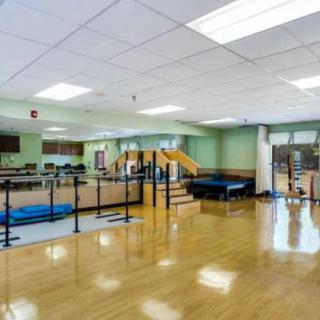
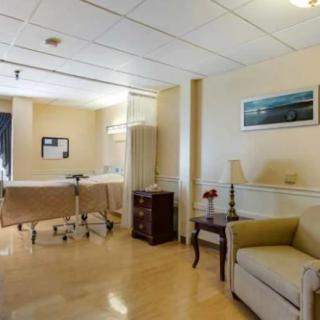
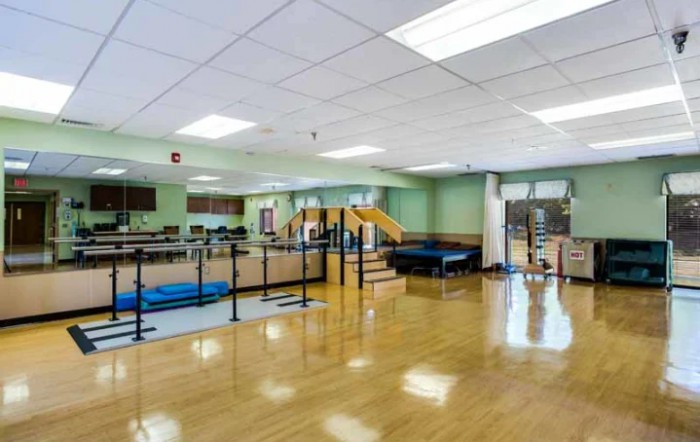
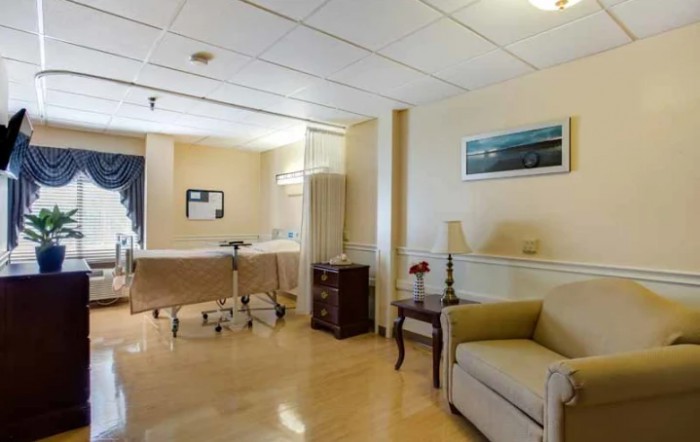
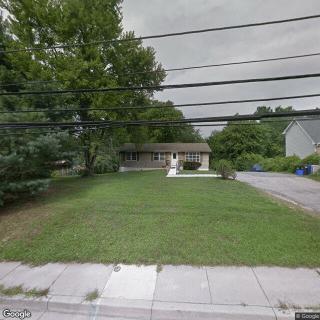
Patuxent River Health And Rehabilitation Center on seniors.fyi includes 4 photos including images showing interior, dining, rehabilitation, exercise room, physical therapy, healthcare, decor, building, and more.
Nearby Communities
Central Parke at Victoria Falls
Laurel, MD
4.9 from 16 reviews
Small, intimate community with personalized care
Contee Estate
Laurel, MD
Fully furnished living spaces with comprehensive care (ADL assistance, medication management, 24-hour supervision), diabetes-friendly meals, and convenient access to nearby pharmacies, doctors, and restaurants.
Laurel Lakes Senior Apartments
Laurel, MD
4.2 from 40 reviews
$745 to $1,020 / month
Affordable independent living with on-site activities.
The Willows at Victoria Falls
Laurel, MD
4.5 from 59 reviews
$2,085 / month
Clean, well-maintained with responsive management and a vibrant, supportive community.
Morningside House of Laurel
Laurel, MD
4.4 from 144 reviews
$3,950 to $6,125 / month
Friendly staff in a clean, inviting environment with engaging activities.
Interim Healthcare of Columbia
Laurel, MD
4.4 from 36 reviews
Strong nearby access to parks, pharmacies, physicians, and dining.
Shanti Home
Laurel, MD
3.3 from 8 reviews
$3,500 to $3,700 / month
Attentive, caring staff with private rooms and clean, well-maintained facilities.
Park View at Laurel II
Laurel, MD
3.1 from 14 reviews
$875 to $1,244 / month
Spacious, light-filled apartments with secure, helpful staff.
Avonlea Ridge Assisted Living
Silver Spring, MD
4.2 from 9 reviews
$3,500 to $5,000 / month
Caring, experienced staff in a home-like, clean environment with personalized care.
Geriatric care managers create personalized care plans for older adults, addressing their medical, social, financial, and psychological needs while coordinating services and advocating for their well-being. They help families navigate caregiving challenges but may be hindered by high costs and a shortage of qualified professionals.
The article highlights the importance of empathy and open communication when comforting someone who is grieving, noting that grief is unique to each individual and emphasizing the need for sincere expressions of condolence, active listening, and ongoing support. It also addresses cultural differences in mourning practices and encourages tailored approaches to provide effective comfort.
Home health care aides provide vital medical and non-medical support to individuals at home, assisting with daily living activities and promoting emotional well-being, while the demand for these services increases due to an aging population. Families benefit from in-home care's flexibility and cost-effectiveness but face challenges like scheduling consistency and caregiver turnover.
Patuxent River Health And Rehabilitation Center photos
×
Interior
Decor
Building
Healthcare
Interior
Decor and Dining
Landscaping, Building, Architecture, and Entrance
Healthcare
Rehabilitation, Physical Therapy, and Exercise Room
Get PricingAsk A QuestionSchedule A TourContact Senior Advisor
By clicking submit, you agree to our Partner's Terms of Use. You
also consent to receive calls and texts, which may be autodialed, from our Partner. Your consent is not a condition to
using our Partner's service. Please visit our Partner's Privacy Policy for information about their privacy practices.


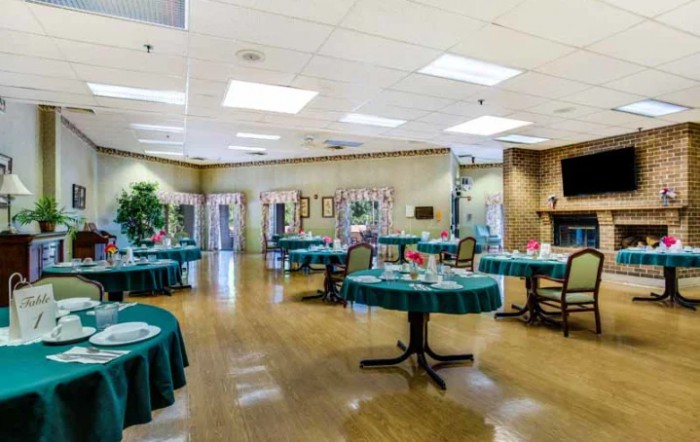
 153 resident community capacity
 Skilled Nursing Facility
 Air-conditioning
 Beauty salon
 Cable or satellite TV
 Computer center
 Dining room
 Fitness room
 Fully furnished
 Gaming room
 Garden
 Housekeeping services
 Kitchenette
 Move-in coordination
 Outdoor space
 Private bathrooms
 Restaurant-style dining
 Small library
 Telephone
 Wellness center
 Wi-Fi/high-speed internet available
 Baltimore-Washington International (13 miles away)
 Community operated transportation
 12-16 hour nursing
 24-hour call system
 Activities of daily living assistance
 Assistance with bathing
 Assistance with dressing
 Assistance with transfers
 Diabetes diet
 Medication management
 Mental wellness program
 Special dietary restrictions
 Concierge services
 Planned day trips
 Small, intimate community with personalized care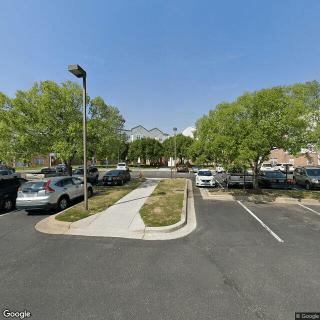


 Is a Geriatric Care Manager the Right Choice for Your Family?
 Compassionate Conversations: How to Comfort Someone Who Is Grieving
 Home Health Care Aides: Understanding Their Role and Supporting Your Family