

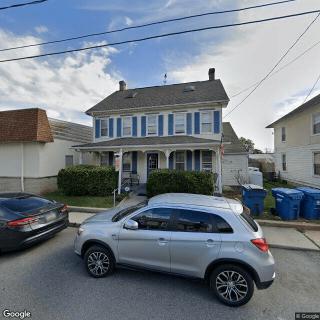
1500 Pennsylvania Ave, Hagerstown, MD 21742
To contact a resident: (301) 791-4400
For more information about senior living options: (866) 208-4318
Overall Review of Western Maryland Ctr
Pros
 The staff are courteous and professional.
- They are caring, and for a long-term care facility they are very high integrity and excellent.
- My friend Rogelio is happy in this place.
- From the get-go, the staff were hands-on, kind and supportive.
- Summer in admissions has been fantastic, going above and beyond to help with the transition.
- David, the case manager, goes above and beyond for updates, meetings, and coordinating gifts.
- Richard, the chaplain, has also gone above and beyond providing care and checking in.
- The nurses, doctors, therapists, and the respiratory team have all been kind, helpful, knowledgeable and professional.
Cons
 The kitchen was described as terrible, with a cook smashing a cockroach with a glove, discarding it, and using the same glove to mix coleslaw.
- One reviewer stated it is the worst place ever, noting the nursing staff were nasty and that a mother could not feed herself and had to wait hours for assistance, including hours to be placed on a bedpan.
- Another reviewer called the staff "Idiots."
- A reviewer complained of waiting for two hours and still waiting.
Review
Western Maryland Center in Hagerstown is best suited for families seeking a hands-on, capable long-term care experience where the care team takes ownership of residents’ well-being and transitions. The community earns its keep with a professional, compassionate staff that coordinates closely from admission onward, delivering a practical, well-organized environment. It is particularly strong for residents with complex medical needs who benefit from an integrated network of case management, nursing, therapy services, and chaplain support. For families prioritizing proactive communication and a team approach to care, the facility offers a clear, grounded path to stable, ongoing oversight.
Those weighing alternatives should consider options if a spotless environment and consistently rapid response are non-negotiable. A subset of reviews raises concerns about housekeeping and occasional delays in getting help, suggesting that cleanliness and immediate assistance can vary by shift. Some interactions with staff have been described as less satisfactory, which can make consistent warmth and responsiveness feel inconsistent. For families requiring near-perfect daily functioning, especially in dining, housekeeping, and 24/7 prompt caregiving, other communities may be a better fit.
The strongest positives center on the care team’s professionalism and genuine concern. Reviewers repeatedly praise courteous, knowledgeable staff across disciplines, nurses, physicians, therapists, who deliver care with a family-centered focus. The admissions process is highlighted as thorough and supportive, with key personnel who maintain regular contact and help coordinate logistics, updates, and even social aspects of a resident’s life. The standout stories involve residents with substantial needs who arrive in a fragile state and receive hands-on, proactive support from admissions, case management, and the broader therapeutic team, illustrating the facility’s capacity to mobilize a comprehensive care plan.
Yet, the negative threads cannot be ignored. Some family accounts describe ongoing cleanliness and pest concerns in kitchen and storage areas, and there is mention of a health inspector review that prompted changes. A few reviews recount prolonged waits for basic assistance, including feeding and bathroom tasks, with remarks about staff demeanor that feel unhelpful or dismissive. While these voices are not universal, they highlight real variability in daily experiences that must be weighed against the overall strength of clinical care and coordination.
Those trade-offs do not erase the facility’s core strengths, but they do shape the risk calculus. The most persuasive offset is the established ability to field a coordinated care network: an active case manager who organizes meetings and keeps families informed, a chaplain who addresses emotional and spiritual needs, and a broad team of therapists who can drive meaningful rehabilitation and communication. The facility’s professional presentation and structured routines help mitigate operational hiccups, particularly for residents who rely on steady oversight and clear, frequent updates for loved ones.
In practical terms, Western Maryland Center is a solid, credible option for families that prize integrated care, transparent communication, and a hands-on administrative team, especially when a resident has significant rehabilitation or chronic medical needs. For those who cannot tolerate inconsistent cleanliness, pests, or slower-than-desired daily responsiveness, it makes sense to explore alternatives. Prospective families should arrange a thorough tour focused on cleanliness in all areas, meal service quality, and staff responsiveness; insist on meeting the admissions coordinator and the case manager, plus a front-line nurse or therapist who would be involved in day-to-day care; and seek candid feedback from current residents or their families about current day-to-day experiences. When care coordination and staff integrity are paramount, Western Maryland Center warrants serious consideration as a practical, capable option rather than a perfect one.
 Skilled Nursing Facility
 Activities on-site
 Devotional services off-site
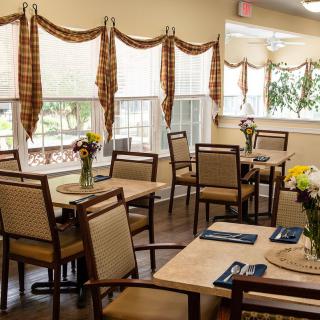
 Indoor common areas
 Ambulatory care
 Diabetic care
 High acuity care
 Meals provided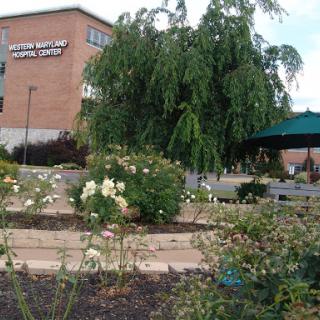



 Understanding the Full Cost of 24/7 In-Home Care: A Detailed Overview
 Exploring the World of Home Health Nurses: Qualifications, Roles, and Hiring Tips
 Navigating Medicare Coverage for In-Home Care Services