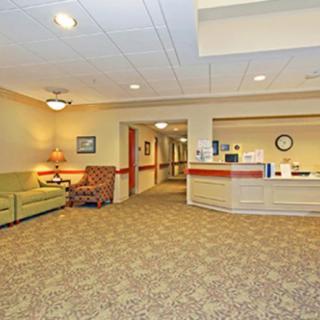
Citizens Care And Rehabilitation Center Of Frederi in Frederick, MD

Save

Citizens Care And Rehabilitation Center Of Frederi in Frederick, MD

Information last verified:

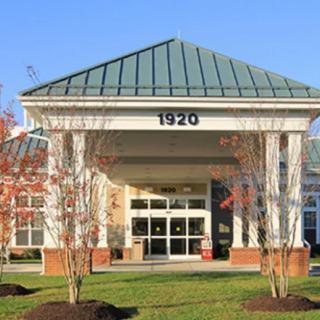
1920 Rosemont Avenue, Frederick, MD 21702

For more information about senior living options: (844) 490-3973

2.7 from 23 reviews
5 stars
5
4 stars
5
3 stars
2
2 stars
1
1 stars
10

Overall Review of Citizens Care And Rehabilitation Center Of Frederi

Pros

  • pro The staff were friendly, respectful, and very good at communicating with family.
  • pro The nurses, respiratory therapists, and CNAs are excellent.
  • pro There is a caring and loving vibe that comforts residents and their families.
  • pro The facility is neat, organized, and clean, with good COVID precautions.
  • pro The rooms and common areas are clean.
  • pro The food is scrumptious and served cheerfully.
  • pro There are wonderful activities directors and a wide variety of activities for residents.
  • pro Tour staff are friendly and knowledgeable, providing helpful answers.

Cons

  • pro The staff ignored the nurse call button, leaving the patient's wife waiting for help.
  • pro The night staff were mean to elderly residents.
  • pro The care provided was insufficient and communication with staff was poor.
  • pro The night supervisor yelled at a family member and hung up the phone.
  • pro The staff argued openly at their station, undermining patient care.
  • pro Waiting for a nurse could be interminable, with little in-room attention.
  • pro Weekend communications were subpar and documentation did not meet CMS standards.
  • pro Some staff were rude, and there were accusations of overmedication and neglect.

Review

Citizens Care And Rehabilitation Center Of Frederi in Frederick, Maryland, is best suited for families seeking short- to mid-term rehabilitation with active daytime therapy and a reasonably clean, home-like environment. The center often delivers meaningful physical and occupational therapy, with residents able to regain strength and return home after surgery or illness when diligent engagement is maintained. Yet this community is not a reliable fit for those requiring constant, medically complex oversight, comprehensive memory care, or heavy nighttime support. The experience can hinge on which shift is present, making daytime progress real but nighttime care uneven, and leaving families with a variable sense of safety after dusk.

For families weighing alternatives, consider facilities with consistently strong 24/7 staffing, especially for residents with memory challenges, frequent call-light use, or complex medical needs. Several reviewers described night-shift staff as unfriendly or unresponsive, and a pattern of communication gaps between shifts, which can leave a loved one waiting for help for hours. If a caregiver cannot stay closely involved, or if fear of under-responding during the night is a primary concern, these gaps can translate into real risk. In contrast, places with steadier nurse-to-patient ratios, clearer escalation procedures, and well-defined care plans tend to provide the rock-solid reliability that is essential for medically fragile elders.

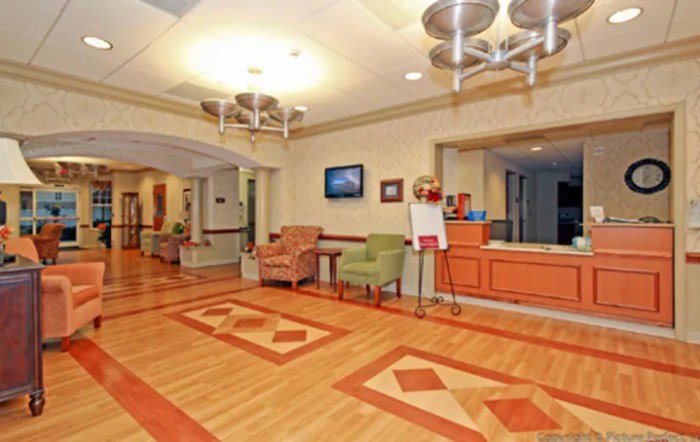
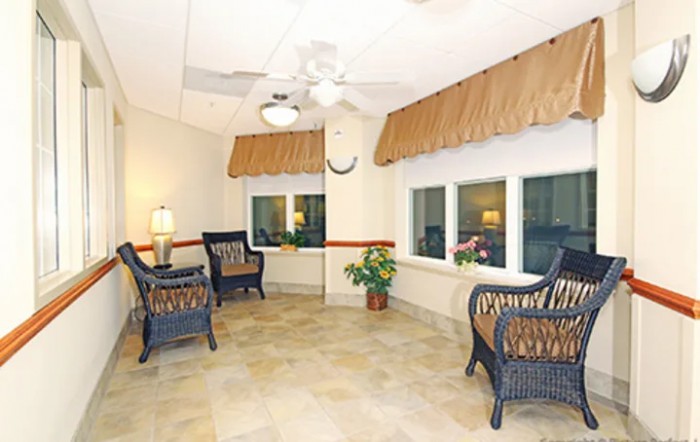
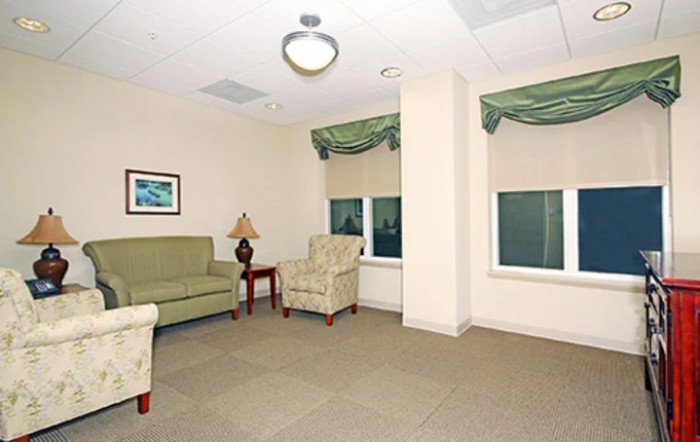
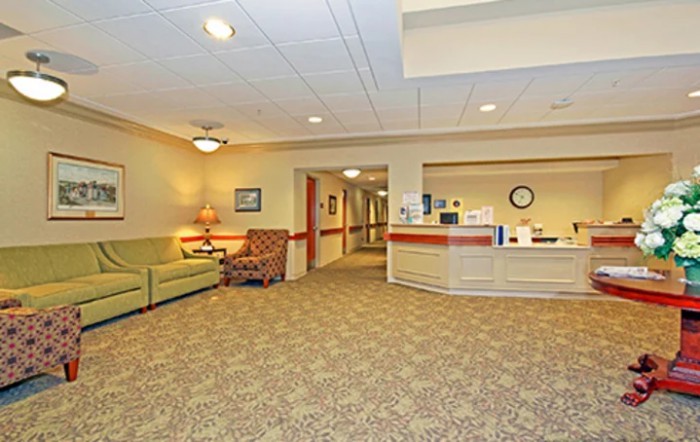
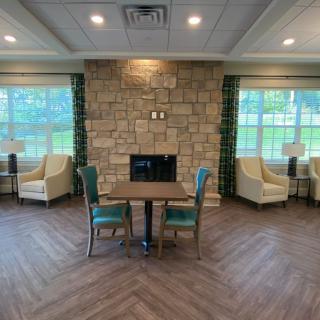
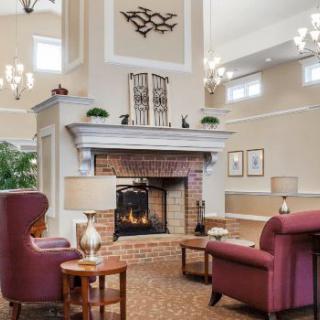
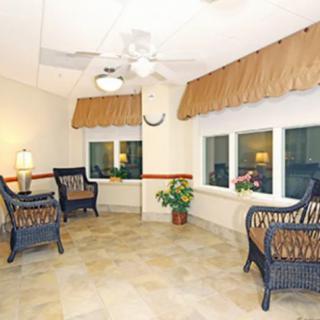
On the plus side, several families praise the rehab program and therapy staff as energetic, competent, and patient, with therapists who genuinely push residents toward meaningful mobility gains. Rooms are described as spacious and clean, with some residents enjoying garden views, and admissions staff are frequently cited as friendly and helpful, answering questions and guiding families through the process. When the facility hits its stride, communication with families can be timely, and day-to-day operations, meals, housekeeping, and routine activities, tend to run smoothly. In those moments, the atmosphere brightens, and a sense of progress and dignity returns to the patient and loved ones alike.

Yet the negatives are persistent enough to warrant serious caution. Multiple reviews highlight rude or disengaged night staff, with accounts of alarms ignored, calls not answered for extended periods, and disrespectful treatment toward residents during the night. Mishandling of patient identification, inconsistent documentation, and visible tensions among staff degrade trust and raise questions about safety and accountability. There are also stark warnings about overmedication or insufficient therapy for some residents, and about weekends when communication and follow-through lag behind, leaving families anxious about what care is actually being provided. These patterns are not universal, but they recur enough to shape a risk profile that cannot be ignored.

Taken together, the strong rehab and daytime care can offset many concerns for families who can stay actively involved and monitor outcomes. When therapy is aggressive and well-coordinated, patients may recover mobility and regain independence that justifies the investment. The clean, orderly environment and the potential for regular meals and structured activity add practical value. However, the heavy reliance on daytime teams does not fully redeem the gaps at night or the variability in communication, which means a loved one with high medical needs or a tendency to deteriorate when not monitored could be exposed to risk. The decision hinges on whether the prospects of rehab progress and a wholesome daytime experience outweigh the anxiety triggered by inconsistent overnight care and reporting.

Families should approach this community with a clear plan: tour at different times, talk directly to the administrator about staffing schedules, call-light response expectations, and the facility’s process for rapid escalation of concerns. Ask for specific examples of recent night-shift responses and patient outcomes, and verify current wait times and admissions policies, as some reviews note a lengthy waiting period. If a loved one requires steady, 24/7 oversight or specialized memory support, alternatives with stronger night staffing and more consistent care plans should be pursued. For those who can maintain close family oversight and prioritize rehab momentum, Citizens Care And Rehabilitation Center Of Frederi can deliver meaningful gains, provided expectations are managed and ongoing advocacy is woven into the care plan.

Features

Housing

  • 170 resident community capacity 170 resident community capacity

Types of Care

  • Skilled Nursing Facility Skilled Nursing FacilitySkilled Nursing Facilities are crucial for seniors as they provide round-the-clock medical care, rehabilitation services, and assistance with daily activities. These facilities ensure that seniors receive the specialized care they need to maintain their health and well-being as they age.

Amenities

  • Air-conditioning Air-conditioningAir conditioning is important for seniors as they are more vulnerable to heat-related illnesses and may have underlying health conditions that make it difficult for them to regulate their body temperature. It helps to keep them comfortable, safe, and healthy in hot weather.
  • Beauty salon Beauty salonBeauty salons are important for seniors because they provide a space for them to feel pampered, socialize, and maintain their personal grooming and hygiene. Regular visits to a beauty salon can help boost seniors' self-esteem and overall well-being.
  • Cable or satellite TV Cable or satellite TVCable or satellite TV is important for seniors because it provides entertainment, news, and companionship, helping to combat loneliness and boredom. It also offers a wide range of programming options tailored to different interests and preferences.
  • Computer center Computer centerA computer center is essential for seniors as it provides access to technology, communication tools, and resources that can enhance their daily lives. It allows them to stay connected with loved ones, engage in online activities, and learn new skills, ultimately promoting socialization and mental stimulation.
  • Dining room Dining roomDining rooms are important for seniors as they provide a space for socialization, connection, and nutritious meals. They offer opportunities for residents to bond over shared meals, foster a sense of community, and promote healthy eating habits. Dining rooms also ensure that seniors have access to well-balanced meals tailored to their dietary needs and preferences.
  • Fitness room Fitness roomHaving a fitness room in a senior living community is essential for seniors to stay active, maintain their physical health, and improve their overall well-being. Regular exercise can help prevent falls, reduce the risk of chronic diseases, and promote mental sharpness. It also provides social opportunities for residents to connect with others and enjoy a sense of community.
  • Fully furnished Fully furnishedFully furnished senior living communities are important for seniors because they provide convenience, comfort, and a hassle-free moving experience. Seniors can easily settle into their new living space without the stress of having to buy and move furniture. This allows them to focus on enjoying their new home and community.
  • Gaming room Gaming roomGaming rooms are important for seniors as they provide a fun and engaging environment for socializing, cognitive stimulation, and physical activity. Games can improve memory, problem-solving skills, and overall mental well-being while fostering friendships and reducing feelings of isolation.
  • Garden GardenGardens are important for seniors as they provide a peaceful and therapeutic environment for relaxation, physical activity, and socialization. Being in nature has been shown to reduce stress, improve mood, and promote overall well-being. Gardens also offer opportunities for seniors to engage in gardening activities, which can improve mobility, flexibility, and cognitive function. Additionally, gardens create a sense of community and connection with others who share a passion for plants and outdoor spaces.
  • Housekeeping services Housekeeping servicesHousekeeping services are important for seniors because they help maintain a clean and safe living environment, promote independence, and reduce the risk of accidents or illnesses. Additionally, having assistance with household chores can alleviate physical strain and allow seniors to focus on other aspects of their well-being.
  • Kitchenette KitchenetteKitchenettes are important for seniors living in senior living communities because they provide the convenience and independence of being able to prepare simple meals and snacks in the comfort of their own living space. This can help promote a sense of autonomy and well-being for seniors, allowing them to maintain some level of control over their dietary choices and daily routines.
  • Move-in coordination Move-in coordinationMove-in coordination is important for seniors because it helps ease the transition into their new living environment. It ensures that all logistics, such as packing, organizing movers, and setting up utilities are taken care of, allowing seniors to focus on settling in and adjusting to their new home. Having a smooth move-in process can alleviate stress and anxiety, making the transition smoother and more enjoyable for seniors.
  • Outdoor space Outdoor spaceOutdoor spaces are important for seniors as they provide opportunities for physical activity, social interaction, exposure to natural light and fresh air, and a sense of connection to nature. Having access to outdoor spaces can improve overall well-being and quality of life for older adults living in senior communities.
  • Private bathrooms Private bathroomsPrivate bathrooms are important for seniors in senior living communities because they provide independence, dignity, and comfort. Having a private bathroom allows seniors to maintain their personal hygiene routines without the need for assistance, promoting a sense of autonomy and privacy. Additionally, private bathrooms help prevent the spread of infections and provide a safe and clean environment for seniors to navigate safely.
  • Restaurant-style dining Restaurant-style diningRestaurant-style dining is important for seniors because it allows them to enjoy delicious, nutritious meals in a social and upscale setting. This enhances their dining experience, promotes healthy eating habits, and fosters socialization with fellow residents, ultimately contributing to their overall well-being and quality of life.
  • Small library Small librarySmall libraries are important for seniors as they provide access to a variety of reading materials, including books, newspapers, and magazines. This can help stimulate their minds, keep them engaged, and provide a sense of community through book clubs and other social activities. Additionally, reading has been shown to improve cognitive function and overall mental well-being in older adults.
  • Telephone TelephoneTelephones are important for seniors as they provide a lifeline for communication with loved ones, emergency services, and healthcare providers. They offer a sense of security and independence, enabling seniors to stay connected and access assistance when needed.
  • Wellness center Wellness centerWellness centers are important for seniors because they offer a variety of programs and services that promote physical, mental, and emotional well-being. These centers provide opportunities for exercise, socialization, education, and relaxation, helping seniors maintain their overall health and quality of life.
  • Wi-Fi/high-speed internet available Wi-Fi/high-speed internet availableWi-Fi/high-speed internet is important for seniors to stay connected with loved ones, access online resources, and participate in virtual activities to combat feelings of loneliness and isolation. It also allows them to easily manage healthcare needs, access entertainment, and engage in lifelong learning opportunities.

Transportation

  • Community operated transportation Community operated transportationCommunity operated transportation is crucial for seniors as it provides them with the means to access essential services, social activities, and medical appointments. It allows seniors to maintain their independence and quality of life by ensuring they can participate in activities outside of their homes. Additionally, community-operated transportation services offer a safe and reliable way for seniors to travel without having to rely on family or friends for assistance.
  • Transportation arrangement Transportation arrangementTransportation arrangements are crucial for seniors as they may face challenges with driving, mobility, or access to public transportation. Having reliable transportation services ensures that seniors can easily attend appointments, social activities, and maintain their independence and quality of life.
  • Transportation arrangement (non-medical) Transportation arrangement (non-medical)Transportation arrangements are essential for seniors as they provide access to essential services, activities, and social interactions outside the home. This service helps maintain independence, mobility, and overall well-being for seniors who may have limited transportation options.
  • Transportation to doctors appointments Transportation to doctors appointmentsTransportation to doctors appointments is crucial for seniors as it ensures they have access to necessary medical care and support, promoting their health and well-being. It allows them to receive timely treatment, monitor existing conditions, and address any new health concerns efficiently. Additionally, transportation services can help seniors maintain their independence and quality of life by enabling them to stay connected with their healthcare providers.

Care Services

  • 12-16 hour nursing 12-16 hour nursing12-16 hour nursing care is crucial for seniors in order to ensure around-the-clock monitoring, timely medication administration, and prompt response to any health concerns or emergencies. This level of care helps to promote the overall well-being and safety of seniors living in senior living communities.
  • 24-hour call system 24-hour call system24-hour call systems are important for seniors because they provide peace of mind and immediate assistance in case of emergencies. This technology ensures that help is always available, promoting safety and security for elderly individuals living alone or in assisted living facilities.
  • 24-hour supervision 24-hour supervision24-hour supervision is important for seniors to ensure their safety, well-being, and access to immediate assistance in case of emergencies or health issues. This constant support provides peace of mind for both seniors and their loved ones, allowing them to age in place with dignity and security.
  • Activities of daily living assistance Activities of daily living assistanceActivities of daily living assistance are important for seniors because they provide essential support with tasks such as eating, bathing, dressing, and mobility. This assistance helps seniors maintain their independence, dignity, and overall quality of life as they age.
  • Assistance with bathing Assistance with bathingAssistance with bathing is crucial for seniors as it helps maintain personal hygiene, prevents infections, and ensures their overall well-being and comfort. It also provides a sense of dignity and independence for seniors who may struggle with this task on their own.
  • Assistance with dressing Assistance with dressingAssistance with dressing is important for seniors because it helps maintain their independence, promotes personal hygiene, prevents accidents and injuries, and improves overall quality of life. This service ensures that seniors can continue to dress comfortably and confidently, despite any physical limitations they may have.
  • Assistance with transfers Assistance with transfersAssistance with transfers is crucial for seniors as it helps prevent falls and injuries, maintains their independence, and ensures they can safely navigate their living environment. It also provides peace of mind for both seniors and their loved ones.
  • Diabetes diet Diabetes dietA diabetes diet is crucial for seniors as it helps manage blood sugar levels, reduce risks of complications, and improve overall health and well-being. By following a balanced and nutritious diet tailored to their specific needs, seniors can better control their diabetes and enhance their quality of life.
  • Meal preparation and service Meal preparation and serviceMeal preparation and service are crucial for seniors as they may have limited mobility or energy to cook nutritious meals. Having access to healthy and convenient food options can ensure they are getting the proper nutrition needed to maintain their overall health and well-being.
  • Medication management Medication managementMedication management is crucial for seniors to ensure they are taking the right medications at the correct dosages and times. This helps prevent adverse drug interactions, reduces the risk of medication errors, and promotes overall health and well-being. Proactive management also allows for adjustments as needed based on changing health conditions or new prescriptions.
  • Mental wellness program Mental wellness programMental wellness programs are essential for seniors as they promote cognitive stimulation, emotional support, and social engagement. These programs help prevent isolation, depression, and cognitive decline, ultimately enhancing the overall quality of life for older adults.
  • Special dietary restrictions Special dietary restrictionsSpecial dietary restrictions are important for seniors because age-related changes in metabolism and health conditions can make it difficult for their bodies to process certain foods. By following a diet tailored to their specific needs, seniors can maintain their overall health and well-being, manage chronic conditions, and reduce the risk of complications such as malnutrition or food interactions with medications.

Dining

  • Diabetes diet Diabetes dietA diabetes diet is crucial for seniors as it helps manage blood sugar levels, reduce risks of complications, and improve overall health and well-being. By following a balanced and nutritious diet tailored to their specific needs, seniors can better control their diabetes and enhance their quality of life.
  • Special dietary restrictions Special dietary restrictionsSpecial dietary restrictions are important for seniors because age-related changes in metabolism and health conditions can make it difficult for their bodies to process certain foods. By following a diet tailored to their specific needs, seniors can maintain their overall health and well-being, manage chronic conditions, and reduce the risk of complications such as malnutrition or food interactions with medications.

Activities

  • Community-sponsored activities Community-sponsored activitiesCommunity-sponsored activities are important for seniors as they provide opportunities for social interaction, mental stimulation, and physical activity. These activities can help improve overall well-being, combat loneliness and isolation, and promote a sense of belonging and purpose among older adults.
  • Concierge services Concierge servicesConcierge services are essential for seniors as they provide assistance with daily tasks and errands, enhance their quality of life by offering convenience and personalized care, and promote a sense of safety and security.
  • Fitness programs Fitness programsFitness programs are crucial for seniors as they help improve strength, flexibility, balance, and overall well-being. Staying active can reduce the risk of chronic diseases, improve mental health, and enhance quality of life in older adults.
  • Planned day trips Planned day tripsPlanned day trips are important for seniors because they offer opportunities for socialization, mental stimulation, and physical activity. They provide a change of scenery and help seniors stay engaged and connected to their community, promoting overall well-being and quality of life.
  • Resident-run activities Resident-run activitiesResident-run activities are important for seniors as they encourage social interaction, creativity, and a sense of autonomy. These activities empower seniors to stay engaged and active in their community while fostering meaningful connections with their peers.
  • Scheduled daily activities Scheduled daily activitiesScheduled daily activities are important for seniors because they provide structure, socialization, mental stimulation, and physical activity. Engaging in regular activities can improve overall well-being and quality of life for seniors living in a community setting.

Description

The Citizens Care And Rehabilitation Center of Frederi in Frederick, MD is an assisted living community that offers a wide range of amenities and care services to its residents. The community prioritizes the comfort and well-being of its residents by providing a variety of amenities such as a beauty salon, cable or satellite TV, and a computer center. Additionally, there is community operated transportation available for residents to easily access nearby attractions and appointments.

Residents can enjoy delicious meals in the dining room, which offers restaurant-style dining with special dietary restrictions taken into consideration. The community also offers fully furnished living spaces with private bathrooms and kitchenettes for added convenience.

For recreation and entertainment, the assisted living community boasts a fitness room, gaming room, small library, and outdoor space where residents can relax and enjoy nature. There are also scheduled daily activities as well as planned day trips for residents to participate in. Residents have access to concierge services for any assistance they may need.

In terms of care services, the community provides 24-hour call system and supervision to ensure the safety and well-being of its residents. Trained staff members assist with activities of daily living including bathing, dressing, and transfers. Medication management is also available along with assistance with special dietary restrictions and diabetes diet.

The location of the assisted living community is advantageous as it is surrounded by various amenities including cafes, parks, pharmacies, physicians' offices, restaurants, theaters, and hospitals. This ensures that residents have easy access to essential services in their immediate vicinity.

Overall, the Citizens Care And Rehabilitation Center of Frederi provides a comfortable and supportive environment where residents can receive personalized care while enjoying various amenities and engaging in recreational activities both within the community and nearby locations.

Nearby Places of Interest

This area of Frederick, Maryland offers a variety of amenities that cater to seniors looking for convenience and accessibility. With multiple pharmacies within a short distance, accessing necessary medications is convenient. There are also several dining options nearby, including fast food chains like McDonald's and Taco Bell as well as more casual dining options like Flaming Grill and Sardi's Pollo A La Brasa. For leisure activities, there are parks such as Lake Coventry Park and Baker Park nearby for outdoor recreation. In terms of healthcare, there are several physicians' offices in close proximity along with hospitals like FMH Or and Frederick Memorial Hospital within a short drive. Additionally, there are cafes such as Starbucks for socializing with friends or family. Overall, this part of Frederick offers a mix of essential services and recreational opportunities that may appeal to seniors looking for a convenient and vibrant neighborhood to call home.

Restaurants

  • McDonald's (0.3 miles)
  • McDonald's (0.9 miles)
  • Flaming Grill (1.2 miles)
  • Taco Bell (1.3 miles)
  • Sardi's Pollo A La Brasa (1.3 miles)
  • Taco Bell (1.3 miles)
  • Wendy's (1.3 miles)

Pharmacies

  • CVS Pharmacy (0.4 miles)
  • Walgreens (1.1 miles)
  • CVS Pharmacy (1.3 miles)
  • Crawford (1.3 miles)
  • Walgreens (1.4 miles)
  • Frederick Community Pharmacy (1.7 miles)
  • Weis Markets #100 (1.9 miles)

Parks

  • Lake Coventry Park (0.9 miles)
  • Baker Park (1.7 miles)
  • Carroll Creek Linear Park (2.3 miles)

Physicians

  • MyEyeDr (1.1 miles)
  • Uni Medical Care (1.1 miles)
  • Talk 4 Hours (1.1 miles)
  • Potomac Physicians (1.2 miles)
  • Sabiha Mohiuddin, MD (1.2 miles)
  • Menocal Family Practice (1.2 miles)
  • Dr Menocal (1.2 miles)

Hospitals

  • FMH Or (1.1 miles)
  • Frederick Memorial Hospital (1.4 miles)
  • FMH Radiology (1.5 miles)
  • Medpsych Health Services (1.5 miles)
  • Occupational Health Solutions (2.1 miles)

Cafes

  • Starbucks (1.3 miles)
  • Gravel and Grind (1.8 miles)
  • Frederick Social (2 miles)
  • Frederick Coffee Co & Cafe (2.2 miles)

Theaters

  • Warehouse Cinemas (1.5 miles)

Frequently Asked Questions

Where is Citizens Care And Rehabilitation Center Of Frederi?
What photos are available for Citizens Care And Rehabilitation Center Of Frederi in Frederick, Maryland?

Nearby Communities

  • Montevue Assisted Living

    Montevue Assisted Living

    Frederick, MD

    4.3 from 15 reviews
    $4,500 / month

    pro Friendly staff, spacious private rooms, and well-maintained amenities.

  • Creekside

    Creekside

    Frederick, MD

    4.2 from 27 reviews
    $970 to $1,230 / month

    pro Friendly staff and active, well-kept community

  • Sunrise of Frederick

    Sunrise of Frederick

    Frederick, MD

    4.5 from 102 reviews
    $3,600 to $5,400 / month

    pro Friendly, attentive staff in a clean, homelike setting with a variety of activities and dining options.

  • This is Home

    This is Home

    Frederick, MD

    5 from 2 reviews
     

    pro 24/7 supervision with ADL support in a comfortable, home-like setting, including meals, housekeeping, and outdoor space.

  • Somerford House and Place Frederick

    Somerford House and Place Frederick

    Frederick, MD

    4.5 from 192 reviews
    $5,540 to $6,415 / month

    pro Welcoming, clean environment with attentive staff and strong memory care program.

  • Abuzz Healthcare Services,  LLC

    Abuzz Healthcare Services, LLC

    Frederick, MD

    5 from 11 reviews
     

    pro Excellent access to healthcare resources and nearby dining, parks, and social venues.

  • Homewood at Frederick

    Homewood at Frederick

    Frederick, MD

    4 from 48 reviews
     

  • Silverado Frederick

    Silverado Frederick

    Frederick, MD

    4.7 from 41 reviews
     

    pro Active residents with a friendly, well-trained staff in a clean, brand-new facility.

  • Heart Fields Assisted Living At Frederick

    Heart Fields Assisted Living At Frederick

    Frederick, MD

    4.5 from 56 reviews
     

    pro Attentive, caring staff in a small, homelike community with engaging activities.

Related Resources

  • uber for seniorsSeniors and Modern Transportation: Exploring Uber, Lyft, and Other Ride-Hailing Options

    Seniors benefit from ride-hailing services like Uber and Lyft, which provide convenient and accessible transportation options that promote independence and social engagement, while addressing mobility challenges. These platforms have adapted to meet senior needs with user-friendly features and safety measures, although costs can be a concern; community programs may help subsidize rides for older adults.

  • who qualifies for home health care servicesComprehensive Guide to Qualifying for Home Health Care Services

    The guide outlines the eligibility criteria for home health care services, emphasizing clinical requirements, insurance options, and application processes. It distinguishes between Medicare's strict and Medicaid's flexible qualifications while addressing challenges families may face in securing necessary care at home.

  • what is elder abusePowerful Realities of Elder Abuse and the Most Effective Ways to Report It
    Elder abuse affects many older adults worldwide and includes physical, emotional, neglectful, and financial harm, with about one in six individuals over 60 experiencing abuse annually. Prevention and intervention strategies focus on awareness, support for caregivers, and mandatory reporting, while recovery necessitates comprehensive support for both physical and emotional needs.