For more information about senior living options: (866) 208-4318
3.9 from 102 reviews
5 stars
55
4 stars
16
3 stars
9
2 stars
5
1 stars
17
Overall Review of Good Samaritan Nursing Ctr
caveat8 reviews mention this
Staffing and call-button response issues
Residents and families frequently describe slow help and understaffing.
Several reviews say the community is short-staffed, which affects day-to-day responsiveness. A few residents report long waits for basic help, including call-bell response taking too long and assistance with bathroom needs. Others describe times when residents do not get timely therapy or care, and describe staff being stretched and overworked. In addition, some reviews raise safety and medication-administration concerns during periods of low staffing.
caveat6 reviews mention this
Food quality and diabetes care
Food quality and diet accuracy come up often in reviews.
Multiple reviews describe food as bland, repetitive, unappealing, or not meeting residents’ health needs. Some residents and families specifically mention problems with diabetes-related diets or diet restrictions not being handled appropriately. A few reviews also describe medication or dietary mix-ups, including concerns about the risk if incorrect food is served for allergies or medical needs. A smaller number of reviews are more positive about meals and engagement around food, but the negative food-and-diet themes are recurrent.
common10 reviews mention this
Cleanliness is a mixed picture
Reviews mention cleanliness, sometimes praising it and sometimes criticizing it.
Many reviews describe the facility as clean and well kept, including clean rooms and attentive housekeeping. Several others criticize cleanliness, saying rooms are not being cleaned regularly or bathrooms are messy. A few mention unpleasant odors as well. Overall, cleanliness shows up frequently, but reviews disagree on whether it is consistent.
common12 reviews mention this
Caring staff is frequently praised
Friendly, attentive staff appears in many residents’ experiences.
Across reviews, residents and families often describe staff as kind, respectful, courteous, and helpful. Some highlight specific caregivers for being genuinely caring, responsive, or willing to go above and beyond. Even when other aspects of care fall short, several reviews still note that the staff they interacted with were professional and supportive. Overall, the staff’s attitude is one of the most consistent positive themes.
caveat4 reviews mention this
Communication and care coordination concerns
Families raise concerns about communication and discharge planning.
Some reviews describe difficulty getting updates or having providers coordinate with a resident’s doctor or emergency contact. Others report problems around discharge, including signing paperwork without clear explanations and limited discussion of care plans. A few reviews also criticize documentation and communication processes, saying families were not contacted as expected when care decisions changed. These concerns appear alongside broader complaints about staffing and care consistency.
How we summarize
Counts show how many written reviews mention each theme; a review can touch several themes, and only frequently mentioned themes are displayed.
Features
Types of Care
Skilled Nursing Facility
Transportation
Baltimore-Washington International (13 miles away)
Nearby Places of Interest
This part of Baltimore, Maryland, offers a diverse range of amenities and services that cater to senior living. With several hospitals, pharmacies, and physicians located within close proximity, residents have easy access to healthcare options. There are also various dining options available, including seafood restaurants, pubs, and cafes, providing plenty of choices for meal outings. Additionally, the presence of parks like Lake Roland and Patterson Park offer opportunities for outdoor recreation and relaxation. Places of worship are also conveniently located nearby for those seeking spiritual nourishment. Overall, this area provides a well-rounded environment for seniors looking to live comfortably with access to essential services and recreational activities.
Hospitals
MedStar Good Samaritan Hospital (0.2 miles)
MedStar Union Memorial Hospital (2.5 miles)
Sheppard Pratt Health System (3 miles)
GBMC (3.2 miles)
Kennedy Krieger Institute (4.1 miles)
Osler Bulding (4.1 miles)
Sinai Hospital Of Baltimore (4.2 miles)
Restaurants
Colin's Seafood and Grill (0.7 miles)
Koco's Pub (1.4 miles)
Zen West Roadside Cantina (1.5 miles)
Burger King (1.9 miles)
McDonald's (1.9 miles)
McDonald's (2.7 miles)
Subway (3.1 miles)
Pharmacies
CVS Pharmacy (1.2 miles)
CVS Pharmacy (1.5 miles)
Walgreens (1.7 miles)
Rite Aid (1.7 miles)
Northern Pharmacy and Med Equipment (1.8 miles)
Walgreens (1.9 miles)
CVS Pharmacy (2 miles)
Cafes
Starbucks (1.5 miles)
Miss Shirley's Cafe, Roland Park (2.7 miles)
Dooby's (4.4 miles)
Ceremony Coffee Roasters (4.6 miles)
Starbucks (5.2 miles)
Parks
Rodgers Forge Tot Lot (2.2 miles)
Lake Roland (3.7 miles)
Cromwell Valley Park (3.9 miles)
Patterson Park (4.7 miles)
Patterson Park Annex (4.8 miles)
Physicians
Scottish Rite Speech & Language Center (2.4 miles)
O'Dea Building- St Josephs Hospital (2.5 miles)
Pediatric Partners (2.7 miles)
Clinical Associates (3.1 miles)
Greater Baltimore Medical Center (3.2 miles)
Overlea Personal Physicians (3.5 miles)
East Baltimore Medical Center (4 miles)
Places of Worship
Brown Memorial Woodbrook Presbyterian Church (2.8 miles)
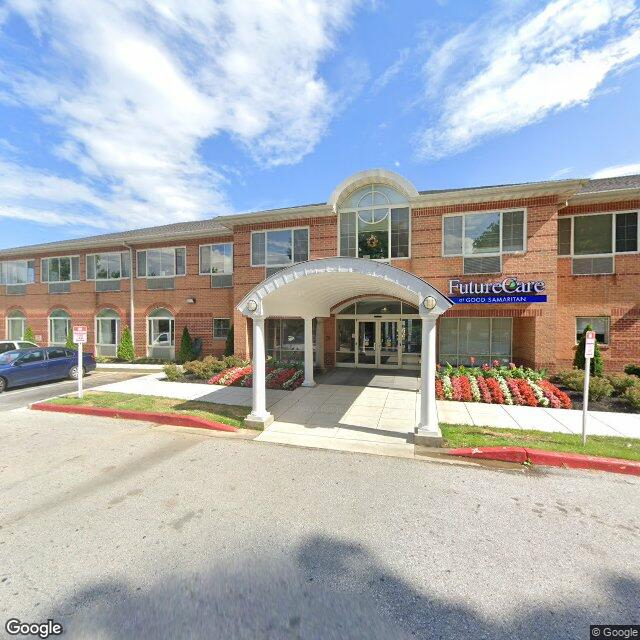
Good Samaritan Nursing Ctr is located at 1601 E Belvedere Ave, Baltimore, MD 21239 in Baltimore city, Maryland
Nearby Communities
FutureCare Good Samaritan
Baltimore, MD
3.8 from 108 reviews
Extensive on-site amenities and 24/7 care (dining, salon, activities, transportation).
Passionate Assisted Living
Baltimore, MD
5 from 1 review
Comprehensive assisted living with meals, activities, diabetes management, and connectivity.
Bundles of Joy Assisted Living
Baltimore, MD
5 from 1 review
Hospitable director, clean and home-like environment, improved resident well-being, and attentive staff with good meals.
Blessed Hands
Baltimore, MD
Intimate assisted living with 24/7 supervision, daily living support, medication management, diabetes diet, meal service, and medical transport.
Peace & Prosperity
Baltimore, MD
Comprehensive care (ADL, medical coordination, diabetes diet) with well-furnished apartments and active dining/activities.
Pinkett's
Baltimore, MD
Comprehensive assisted living with 24-hour supervision, daily living support, meals, medication management, transportation to appointments, housekeeping, move-in coordination, and engaging activities.
John Manley House
Baltimore, MD
2.3 from 3 reviews
$572 / month
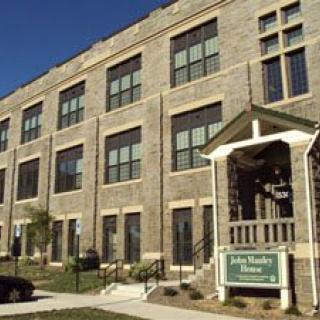
Controlled office access with some staff availability; general information available online.
Future Care Cold Spring
Baltimore, MD
4 from 106 reviews
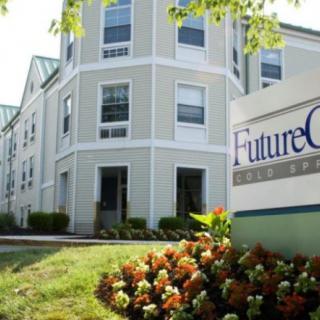
Comprehensive amenities and 24/7 supervision.
The Maples at Stoneleigh
Baltimore, MD
4.4 from 10 reviews
$6,995 / month
Helpful staff with improved care under new management; residents, especially with memory care, participate in engaging activities.
The article emphasizes the critical role of supportive employee benefits for caregivers, advocating for flexible scheduling, paid leave, and mental health services to ease their challenges while enhancing employee well-being and organizational loyalty. It also highlights the importance of strong leadership in promoting these initiatives to foster a sustainable workplace culture that values caregivers.
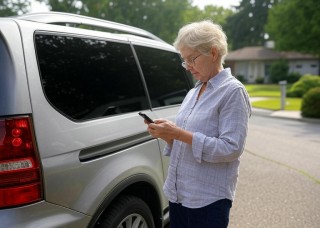
Senior drivers prioritize comfort, safety, and ease of use in vehicles due to age-related challenges, seeking features like easy entry, clear visibility, and modern driver-assistance technologies. Recommended models include the Subaru Forester, Honda CR-V, and Toyota Camry, with emphasis on test-driving for personal comfort and evaluating crash-test ratings alongside insurance considerations.
Private pay home care offers a flexible caregiving option for older adults and families who don't qualify for government programs, allowing them to directly fund in-home care services that range from daily assistance to specialized support. This model's customization potential enables aging in place while addressing financial considerations through strategic planning options, though clients must navigate marketplace challenges and ensure quality compliance.
Get PricingAsk A QuestionSchedule A TourContact Senior Advisor
By clicking submit, you agree to our Partner's Terms of Use. You
also consent to receive calls and texts, which may be autodialed, from our Partner. Your consent is not a condition to
using our Partner's service. Please visit our Partner's Privacy Policy for information about their privacy practices.

 Skilled Nursing Facility
 Baltimore-Washington International (13 miles away)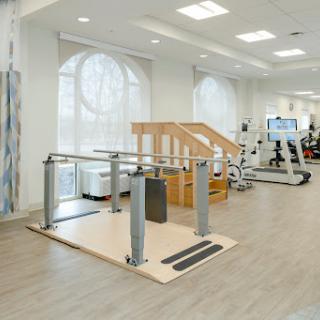
 Extensive on-site amenities and 24/7 care (dining, salon, activities, transportation).


 Supportive Employee Benefits That Help Caregivers Attain Better Work-Life Harmony
 Top Cars for Senior Drivers and Essential Safety Innovations
 A Closer Look at Private Pay Home Care