
1142 Main Street, Sanford, ME 04073
For more information about senior living options: (866) 208-4318
Overall Review of Greenwood Center
Pros
 The staff at Greenwood Nursing Home are good people who provide great care.
- The staff are friendly and attentive to their patients, and they are always smiling.
- The facility is clean and the service is good.
- The staff are wonderful and clearly enjoy their work.
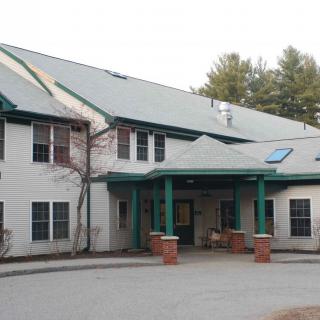
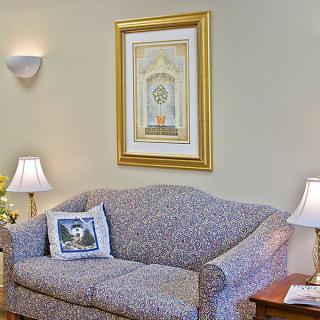
- The rooms are cheerful, with plants and bright colored afghans and bedspreads.
- There is a chapel for residents and their families.
- The nurses and CNAs interact well with residents, and the staff and residents are happy and smiling.
Cons
 By far the worst rehab center in Sanford, and severely understaffed for the number of beds.
- Greenwood signs loved ones up for many services without permission, turning into a money game when Medicaid won’t cover the full balance.
- The facility looked dirty and the staff were extremely rude to residents.
- The food was awful and there wasn’t much for residents to do.
- Residents were forced to participate in activities even if they weren’t interested.
- It is viewed as a money-driven operation, not patient-centered care.
Review
Greenwood Center in Sanford, ME is best suited for seniors who want a warm, people-first living experience where caregivers are consistently attentive and engaged. It works well for families who prize on-site social programming, a chapel, and in-house services like a hairdresser, because those touches create a homey, community-oriented atmosphere. This is a practical long-term care option that prioritizes daily support, familiarity, and resident interaction over clinical efficiency alone. For residents who need steady help with meals, medications, mobility, and meaningful activities, Greenwood Center can deliver a dependable routine and a sense of belonging.
That said, not every family will find it ideal. Alternatives should be considered when consistency and predictability matter above all else, especially for those evaluating rehab capacity or strict financial transparency. A number of reviews flag understaffed rehab operations, occasional rude or overwhelmed staff, and, in some cases, a dirtier environment or less engaging dining. If recovering from acute illness or surgery requires aggressive, well-staffed therapy and a flawless daily experience, it’s prudent to compare options with higher staffing ratios, stricter housekeeping standards, and clearer service boundaries. Financial clarity should also be non-negotiable; when private-pay is involved, the risk of unexpected charges or upselling must be anticipated.
The strongest positives at Greenwood Center revolve around genuine staff warmth and resident engagement. Several accounts describe aides and nurses who are cheerful, attentive, and affectionate, with staff who interact readily and smilingly with residents. The facility also earns points for visible activity programming, a chapel, and the presence of convenient on-site services such as a hairdresser, features that help residents stay connected to routines and personal dignity. When these strengths align with a resident’s interests and a family’s expectations, they can compensate for some operational gaps because emotional support and social stimulation materially improve daily quality of life.
However, the most consequential drawbacks appear in the consistency and scope of care. The occasional blunt charge that rehab staffing is insufficient, coupled with reports of rude behavior from some staff and a perception of dirtier conditions or limited activities, cannot be dismissed. For a resident who requires a high level of supervision during rehab, or who is particularly sensitive to dining quality and cleanliness, these negatives may eclipse the positives. The reality is unevenness; some days the environment feels bright and well-run, while other shifts reveal gaps in staffing, oversight, or program variety. Families must weigh whether the general warmth and homey feel can endure despite these fluctuations.
Financial realities deserve front-row scrutiny. One review highlights the risk of private-pay surcharges being applied aggressively after admission, sometimes with little opportunity for family consent, followed by questions about Medicaid coverage not fully offsetting the bill. This is a critical area where proactive planning matters: insist on a written scope of services and a detailed, itemized cost plan before admission; obtain pre-authorization for any additional “specialized care”; request regular, transparent accounting; and secure a clear understanding of what is included in private-pay versus what requires separate approval. Without rigorous financial oversight, families may face stress in balancing the bill as needs evolve.
In the calculus of decision-making, Greenwood Center offers a viable option for families prioritizing companionship, resident-centric activities, and accessible in-house services, provided there is clarity on staffing expectations and finances. For those whose top criteria include consistently high rehab capacity, pristine housekeeping, and ironclad budgeting, alternatives should be pursued with diligence. The prudent approach is to tour with a checklist: observe nurse and aide interactions during a typical shift, review the activity calendar and dining options, inspect rooms and common areas for cleanliness, and press for exact terms on service guarantees and billing. If these elements align, Greenwood Center can be a compassionate, well-loved home. If they do not, it is sensible to continue the search with a sharper eye toward staffing ratios, resident safety, and financial transparency.
 86 resident community capacity
 Skilled Nursing Facility
 Air-conditioning
 Beauty salon
 Cable or satellite TV
 Computer center
 Dining room
 Fitness room
 Fully furnished
 Gaming room
 Garden
 Housekeeping services
 Kitchenette
 Move-in coordination
 Outdoor space
 Private bathrooms
 Restaurant-style dining
 Small library
 Telephone
 Wellness center
 Wi-Fi/high-speed internet available
 Community operated transportation
 12-16 hour nursing
 24-hour call system
 Activities of daily living assistance
 Assistance with bathing
 Assistance with dressing
 Assistance with transfers
 Diabetes diet
 Medication management
 Mental wellness program
 Special dietary restrictions
 Concierge services
 Planned day trips

 Fecal Incontinence in Older Adults: A Comprehensive Guide
 Recognizing the Journey: Understanding and Navigating Anticipatory Grief
 Encouraging Participation in Adult Day Care: A Guide to Supporting a Hesitant Parent