
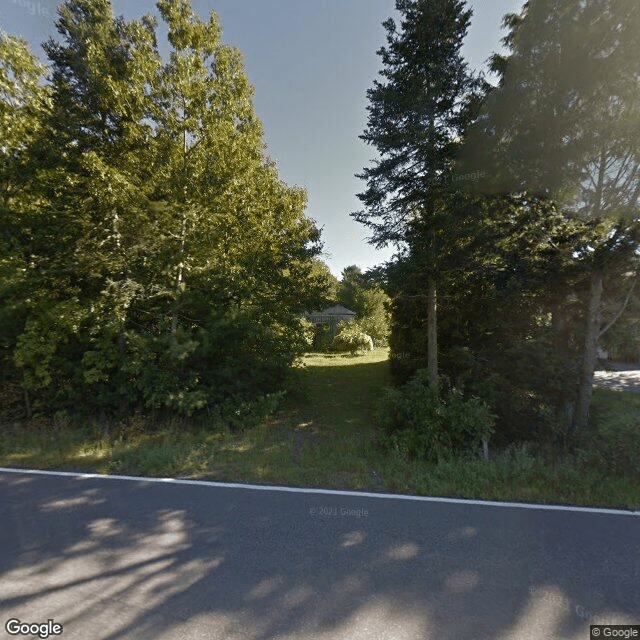
43 Jagger Mill Rd, Sanford, ME 04073
To contact a resident: (207) 324-9500
For more information about senior living options: (866) 208-4318
Jagger Apartments Costs & Pricing
Jagger Apartments offers competitive pricing for its residents compared to both York County and the broader state of Maine. For semi-private accommodations, Jagger's monthly rate stands at $2,800, significantly lower than the county's average of $4,200 and the state average of $4,685. When it comes to private rooms, Jagger charges $3,360, which is again more affordable than York County's rate of $4,726 and slightly below Maine's average of $4,625. Even in the studio category, which is priced at $3,640 at Jagger Apartments, it remains a cost-effective option compared to the county and state averages of $4,996 and $4,889 respectively. This pricing strategy positions Jagger Apartments as an attractive choice for those seeking quality housing without straining their budget.
| Floor plans | Jagger Apartments | York County | Maine |
|---|---|---|---|
| Semi-Private | $2,800 | $4,200 | $4,685 |
| Private | $3,360 | $4,726 | $4,625 |
| Studio | $3,640 | $4,996 | $4,889 |
Independent Living communities with a similar price nearby
-
from -$200 / mo

Sunrise of Huntington Common
$2,600 to $5,400 / month9.5 miles away -
from +$149 / mo
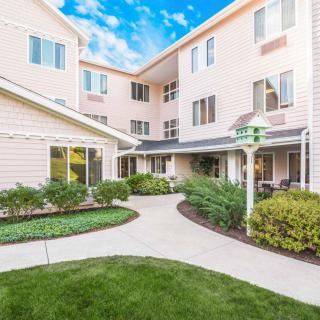
Holiday Maple Suites
$2,949 to $3,699 / month17.8 miles away -
from +$429 / mo
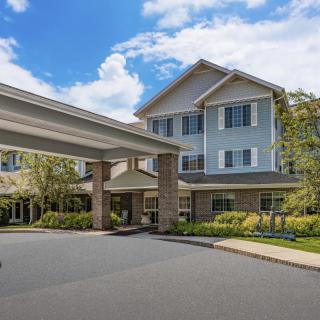
Holiday Kittery Estates
$3,229 to $4,209 / month20.8 miles away -
from -$550 / mo
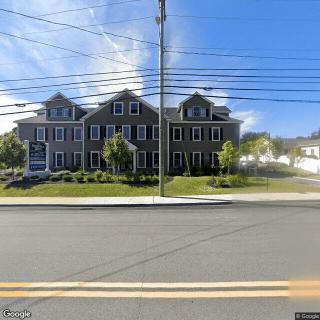
The Village at Dover Point
$2,250 to $6,000 / month17.5 miles away -
from +$500 / mo
Harmony Homes at Hickory Pond
$3,300 to $3,800 / month23.8 miles away
Overall Review of Jagger Apartments
Pros
 They have lived here for over ten years.
- They are grateful for the community and the staff's compassion.
Cons
 None found in the provided reviews.
Review
Jagger Apartments in Sanford, Maine is best suited for seniors who prize a close-knit, stable living environment where the human element, genuinely caring staff and long-tenured neighbors, creates daily comfort. The community exudes the kind of continuity that reduces moving stress and builds real trust, a factor that matters deeply when daily routines, safety, and familiar faces define quality of life. With a 4.5 overall rating drawn from two reviews, the message is clear: for residents who value steadiness, predictable support, and relationships that feel familiar, this is a compelling option.
Who should consider alternatives? Those with higher levels of on-site medical oversight needs, memory-care requirements, or 24/7 skilled nursing should vet options that assemble a more formalized care ecosystem. Families seeking a broader array of amenities, a more bustling activity calendar, or greater variation in floor plans and dining choices may find other communities align more closely with expectations. The limited public data on Jagger Apartments means a thorough, apples-to-apples comparison will hinge on direct conversations about care pathways, costs, and what is included in monthly rent.
The primary upside is unmistakable: a warm, supportive community punctuated by compassionate staff and the enduring presence of residents who have chosen to call the place home for years. That stability lowers transition friction and cultivates a sense of safety born from staff who know names, preferences, and routines. These strengths offset the lack of flashy amenities by delivering practical comfort and reliable day-to-day support. Yet the upside is tempered by a lack of publicly documented detail on essential factors such as care escalation, dining options, and program breadth, which means those considering the move should seek concrete answers about how the community adapts as needs evolve.
A practical checklist for families should headlined around several critical questions: What levels of care are actually available on-site, and how are transitions handled if needs increase? Which services are included in rent, what costs are excluded, and how predictable are monthly expenses? How flexible are staff assignments, and what is the process for emergencies or urgent needs? What is the pet policy, and how do residents’ social lives get nourished through programming or community spaces? How accessible are transportation options and nearby medical facilities? These questions separate a place that feels comfortable from one that can grow with a resident’s changing requirements.
Jagger Apartments’ differentiator lies in its people and its place. The long tenure signals a culture that prioritizes continuity over turnover, and the visible sense of community suggests a resident ecosystem where neighbors know each other and staff know residents’ histories. For families weighing the trade-off between quiet comfort and formalized care, that human-centered approach translates into reduced stress during transitions, more attentive daily routines, and a shared sense of belonging that combats isolation. The downside, again, is information gaps: without a clear picture of care pathways, pricing transparency, and the scope of activities, arrival decisions should be anchored in a candid site visit and precise written agreements.
In short, Jagger Apartments is a practical, solid option for seniors who want a stable, personable atmosphere and a trusted caregiving team. It shines where relationships and routine matter most, benefiting those who prioritize continuity and warmth over prestige or expansive on-site programming. Those with higher care needs, or who demand transparent pricing and a wider array of services, should actively compare with other communities and insist on concrete details before committing. A targeted tour, candid conversations about care plans, and a transparent resident agreement will reveal whether this Sanford community can accommodate a growing set of needs or if a more expansive offering is required.
 Independent Living

 Comprehensive Insights and Practical Strategies to Help Older Adults Avoid Falls
 6 Crucial Ways an Elder Law Attorney Assists Families
 Navigating the Tax Landscape of Caregiving: Credits, Deductions, and Beyond