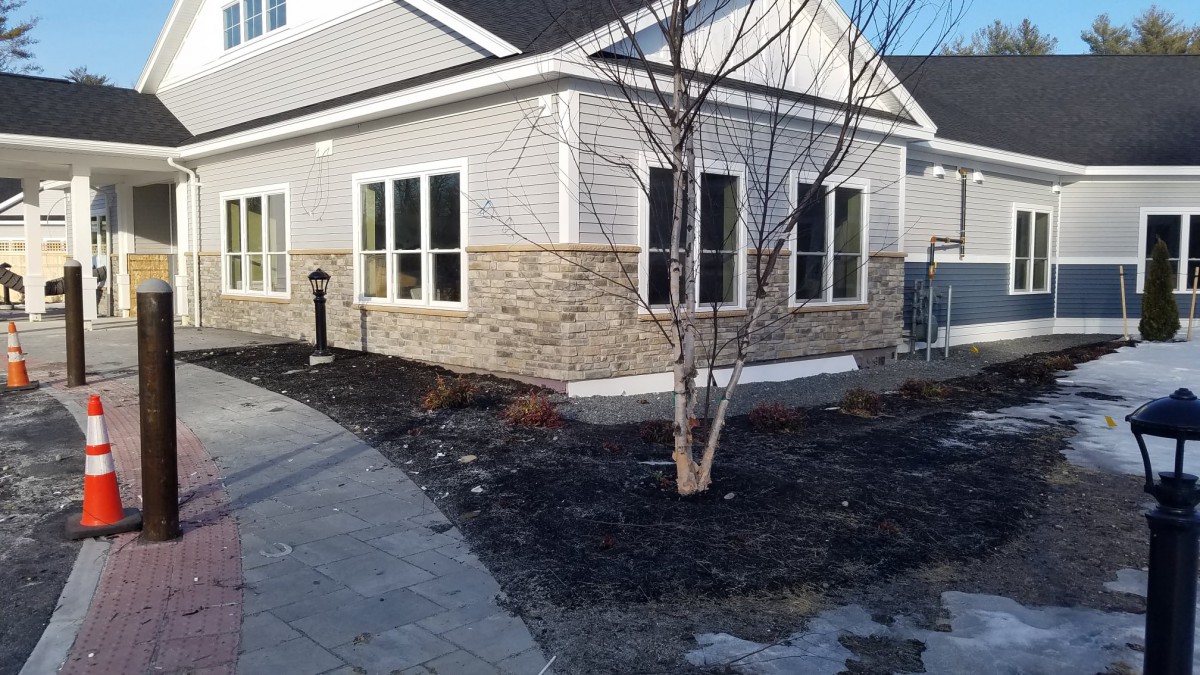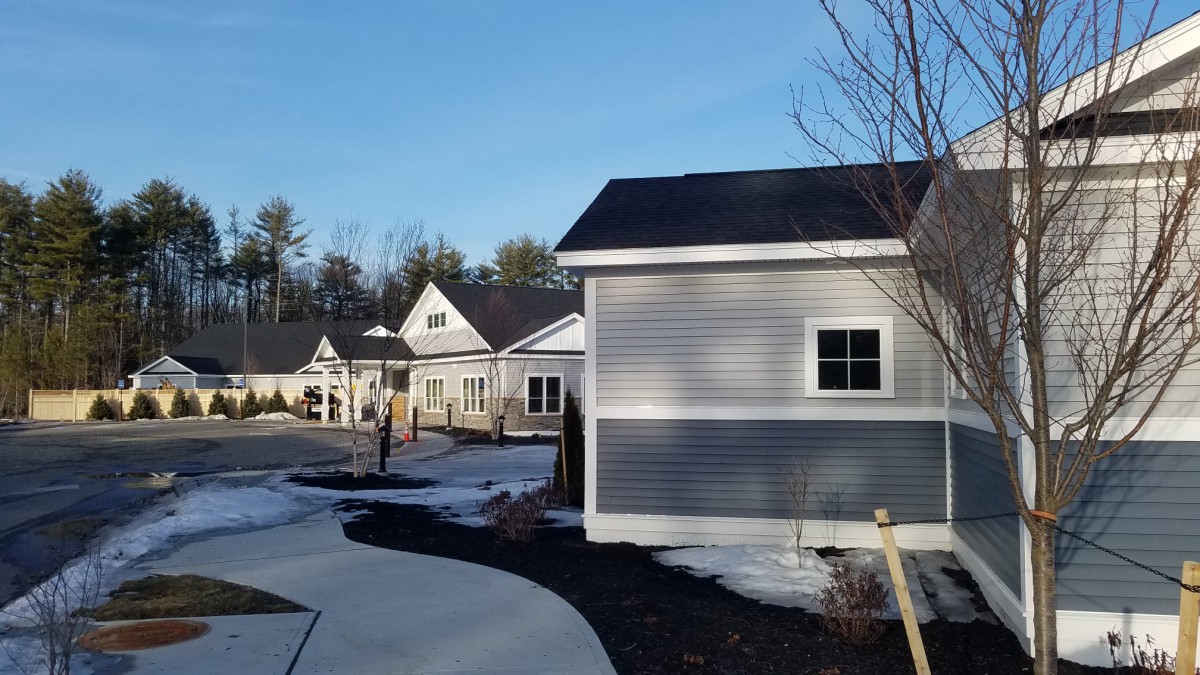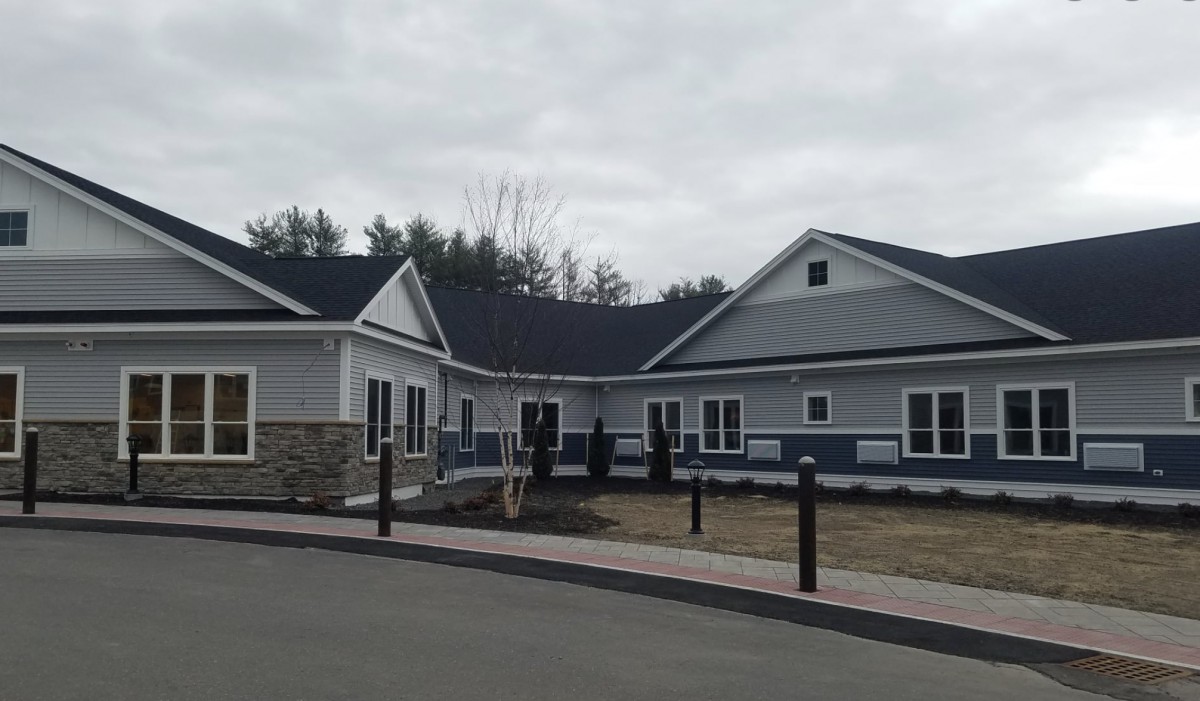
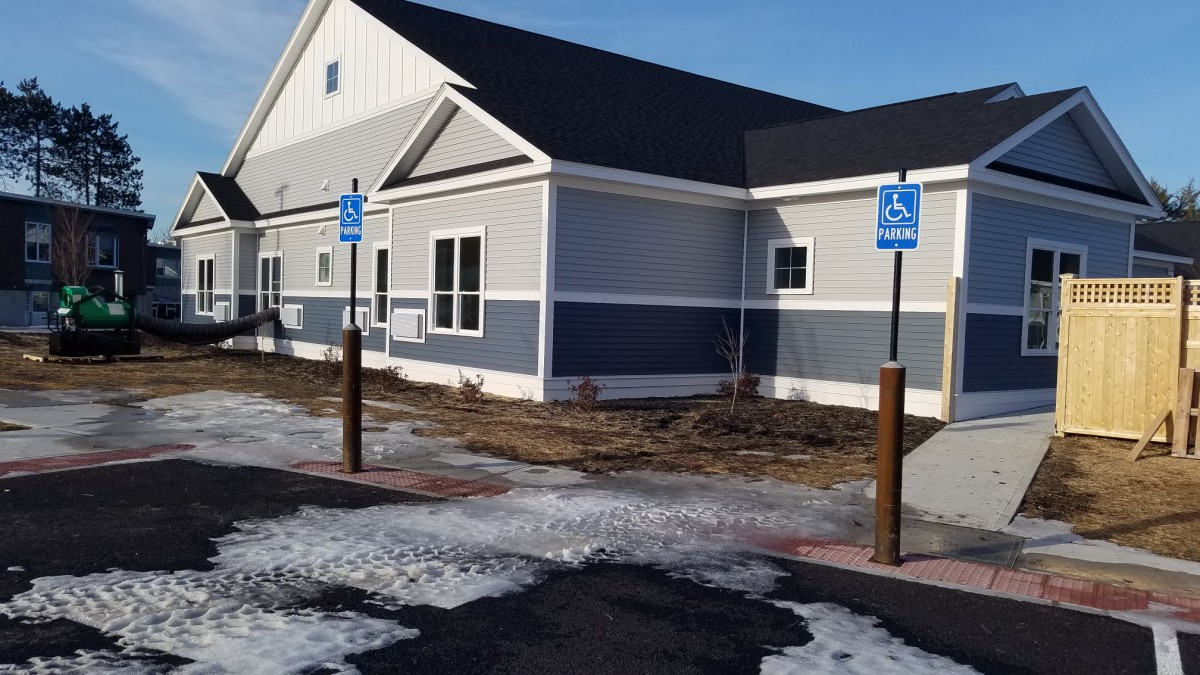



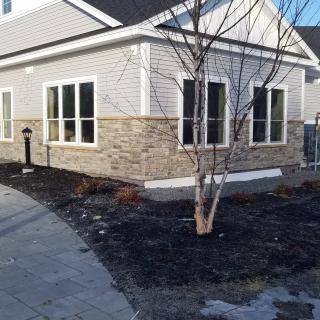
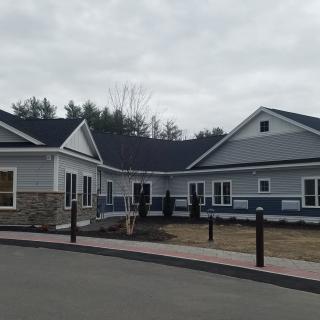
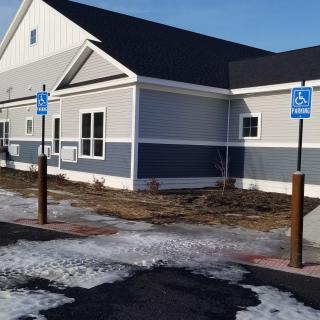
21 June Street, Sanford, ME 04073
For more information about senior living options: (866) 208-4318
Summer Commons Costs & Pricing
Summer Commons offers competitive pricing for its private room accommodations, with a monthly cost of $4,700. This rate positions it slightly lower than the average in York County, where similar private rooms are priced at approximately $4,726. When compared to the broader context of Maine, Summer Commons remains attractively priced against the statewide average of $4,625. Overall, Summer Commons provides an excellent option for those seeking comfortable living arrangements while balancing affordability in comparison to nearby counties and statewide trends.
| Floor plans | Summer Commons | York County | Maine |
|---|---|---|---|
| Private | $4,700 | $4,726 | $4,625 |
Skilled Nursing Facilities with a similar price nearby
-
from -$700 / mo

Scarborough Terrace
$4,000 to $8,050 / month23.0 miles away
Overall Review of Summer Commons
Pros
 The facility is described as incredible and a model for rehab and nursing homes.
- Her move-in room was very clean.
- The staff are warm and welcoming.
- Musicians come in during the week and residents are sometimes up and dancing.
- Cookie baking and gardening are activities offered.
- Visitors are greeted in the lobby and asked if they have questions or concerns.
- The reviewer feels comfortable with her mom being there and that she is receiving the care she needs while making new friends.
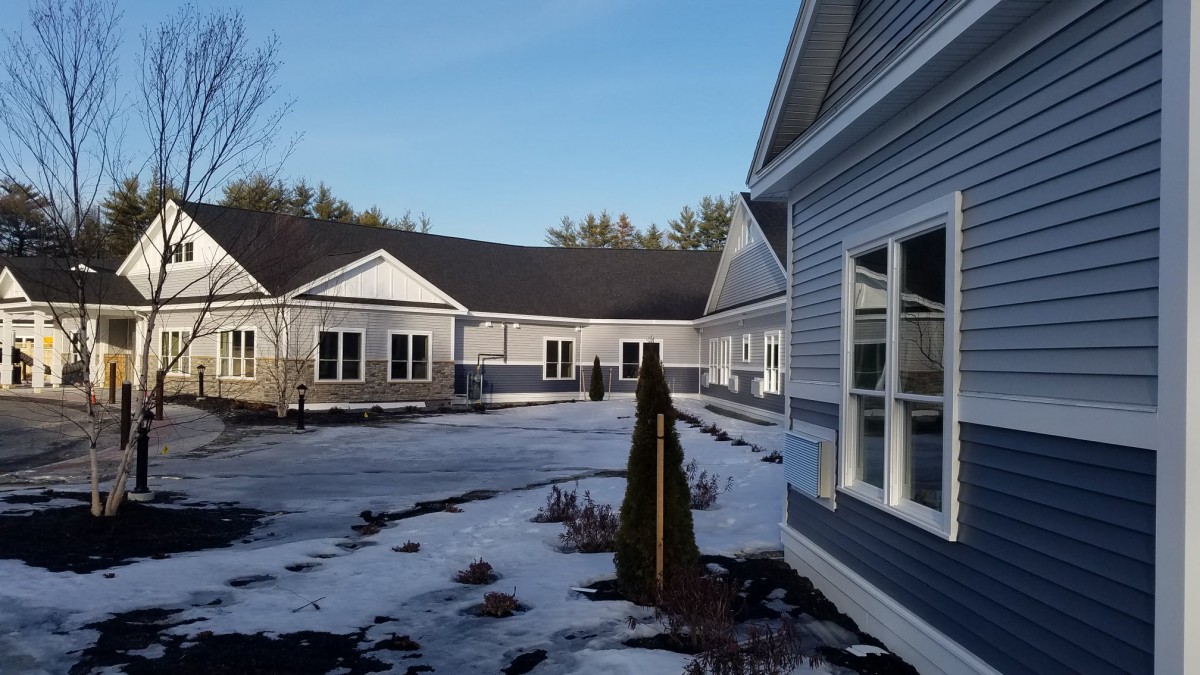
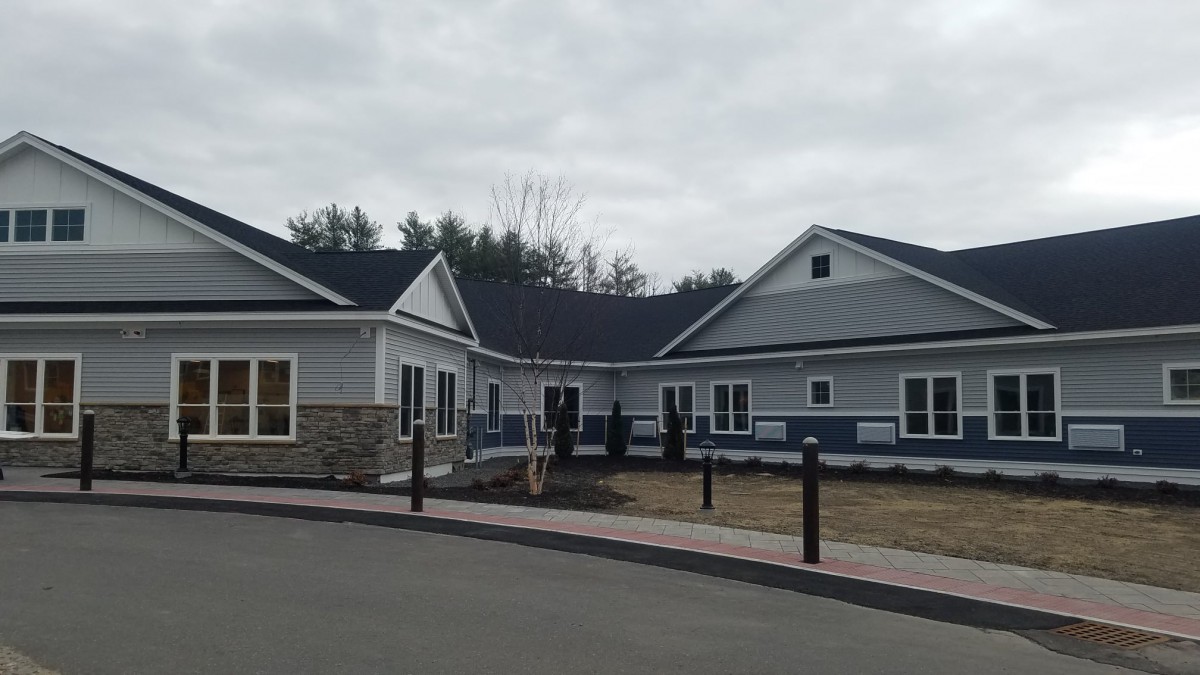
- Summer Commons looks like a beautiful facility.
Cons
 The operations on the inside are chaotic and cannot support loved ones without advocacy.
- They often don't have enough staff.
- Their staff is not highly trained in the most up-to-date evidence-based care.
- Physical therapy for the oldest clients is described as plateauing with no more they can do, and the facility won't use evidence-based approaches.
- If a resident has hearing aids, they may get lost more than once for days or weeks.
- Residents may experience preventable UTIs unless families advocate.
- The floor staff will be rude, dismissive, and defensive when rights are advocated for; they hire emotionally immature staff and show poor training.
- The facility does not routinely test for UTIs even though required to help prevent them.
- The place doesn't care.
- The front desk staff is extremely unprofessional and unhappy with her job.
Review
Summer Commons is best suited for families seeking an active, socially engaging setting where a loved one can thrive on routine recreation, visible staff interaction, and opportunities to connect with peers. The community pulse centers on engagement: regular music programs, cookie baking, gardening, and other group activities that foster friendship and a sense of belonging. Move-in experiences often feel positive, rooms are clean, staff greet families warmly, and families hear that their loved one is settling in and receiving care. For residents who want to stay socially connected and have family involvement as part of the care plan, Summer Commons can be a welcoming, livable home.
That said, alternatives should be strongly considered for families prioritizing consistent, high-level clinical oversight and unflinching policy enforcement. The facility’s internal operations are described as chaotic by some families, and staffing gaps are a recurring concern. When staffing is thin, care planning and daily monitoring can feel reactive rather than proactive. For residents with complex medical needs or a history of frequent therapy adjustments, the lack of steady, evidence-based care can translate into slower progress and avoidable frustration. Those who cannot commit to active advocacy may find the experience more stressful than reassuring.
The strongest positives of Summer Commons center on its human connections and daily vitality. Families repeatedly note warm, friendly staff, easy access to questions, and a palpable sense that residents are not isolated. The social calendar and therapy-oriented activities appear to deliver meaningful quality-of-life benefits for many residents, evidenced by stories of improved mobility and the joy of participation in events. Cleanliness and comfort in private rooms contribute to a sense of normalcy and dignity, while the presence of intervention-focused moments, occasional on-site therapy, mobility support, and regular interaction, reinforce that rehab remains part of the daily rhythm for those who engage.
Yet the most troubling themes from the reviews are operational and clinical gaps. Understaffing beyond comfortable ratios leads to perceived overwork among caregivers and inconsistent attention to the most basic safety and medical tasks. Critics point to training that may lag behind current evidence-based standards, especially in rehabilitation where up-to-date approaches matter for meaningful gains. Burnishing this critique, several reviewers allege that staff on the floor are dismissive or defensive when families speak up, creating an atmosphere where advocacy is necessary to secure appropriate care. The system’s vulnerability is underscored by reports of mislaid hearing devices and preventable urinary tract infections, problems that should be rare but become recurrent without vigilant oversight.
Weighing the positives against the negatives, the deciding factor becomes family involvement and risk tolerance. The lively social environment and accessible staff can offset some shortcomings if a loved one benefits from therapy-driven activity and if a family can maintain consistent oversight, participate in care planning meetings, and push for timely medical attention when concerns arise. However, the weight of understaffing, inconsistent clinical practice, and communication frictions may overwhelm families that cannot sustain that advocacy or that expect a more robust, hands-off model of care. In such cases, the benefits may not fully compensate for the potential gaps in consistent, evidence-based care.
Practical next steps for families considering Summer Commons are concrete and non-negotiable. Schedule a thorough tour focusing on staffing levels at different shifts, ask for real-world examples of therapy progress, and drill into the facility’s approach to evidence-based care and care planning. Request current policies on UTIs and routine testing, and verify how often care plans are updated with resident input. Engage the ombudsman and insist on a formal care conference to review the plan for preventing complications and ensuring hearing devices stay secured. If the family is prepared to stay engaged and advocate relentlessly, Summer Commons can be a vibrant, comforting home that supports meaningful rehab and social connection; if not, it risks becoming a source of ongoing friction and unmet needs.
 30 resident community capacity
 Skilled Nursing Facility
 Beauty salon
 Cable or satellite TV
 Dining room
 Fully furnished
 Garden
 Housekeeping services
 Kitchenette
 Move-in coordination
 Outdoor space
 Telephone
 Wi-Fi/high-speed internet available
 24-hour call system
 Activities of daily living assistance
 Assistance with bathing
 Assistance with dressing
 Assistance with transfers
 Diabetes diet
 Meal preparation and service
 Medication management
 Mental wellness program
 Special dietary restrictions
 Transportation arrangement (medical)
 Transportation to doctors appointments




 Understanding the Nuances of Palliative Care and Hospice: A Comprehensive Exploration
 Fecal Incontinence in Older Adults: A Comprehensive Guide
 Nurturing Well-Being Through Gardening: A Detailed Guide for Senior Enthusiasts