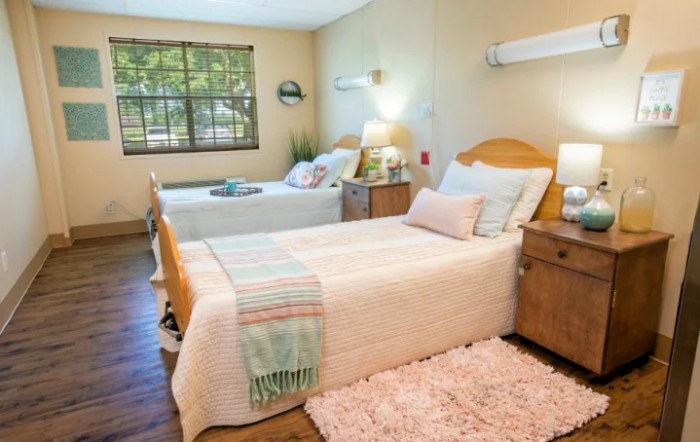
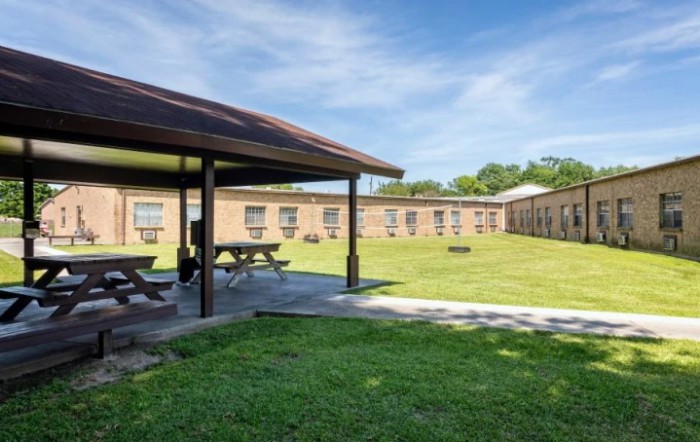
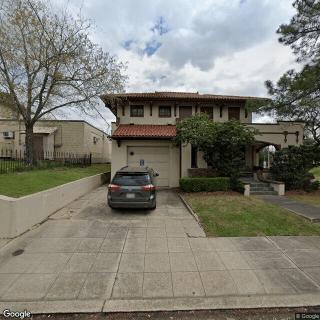
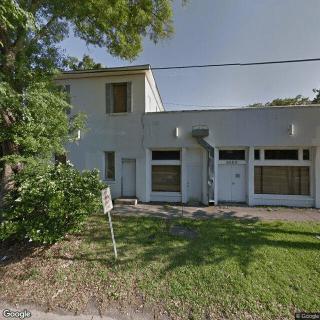
403 15Th Street, Port Allen, LA 70767
For more information about senior living options: (866) 208-4318
Overall Review of Legacy Nursing And Rehabilitation Of Port Allen
Pros
 The staff are friendly, polite, and welcoming, greeting visitors warmly.
- The facility has a lively, open atmosphere with activities that keep residents engaged and entertained.
- The staff go above and beyond to make residents feel special and loved.
- Families feel reassured by regular updates and open communication from the staff.
- The floor staff are kind, empathetic, and work well as a team.
- Daily activities and music give residents enjoyable ways to spend their time.
Cons
 The facility is the worst, showing neglect of patients and even contributing to a relativeā€™s death.
- The staff are horrible and very rude.
- The nurses and aides sleep at night, the food is nasty, and there is no ice.
- Roaches are present and problems go unaddressed by the staff.
- The place smells and looks like a mental hospital, making it unsafe to stay.
- The staff are unprofessional and distracted, failing to provide proper care.
- The facility killed a family member through neglect and poor communication.
- The administration fails to follow up and keep families informed; requests are ignored.
- The facility is overcrowded and not well maintained, with a poor layout.
- The staff avoid calls and are unresponsive to family inquiries.
Review
Legacy Nursing and Rehabilitation of Port Allen is best suited for families that value a smaller, community-centered atmosphere where frontline staff interaction can feel more personal. It may work for residents who do not require highly complex medical oversight or memory-care programming and who can tolerate a less expansive campus with active daily engagement from aides and nurses. Those needing robust wound care, frequent physician oversight, or specialized dementia care should consider alternatives. Families seeking pristine upkeep, predictable service, and professional responsiveness will likely want to compare other facilities where administrative follow-through is more consistently documented.
The strongest positives come from everyday, front-line experience: a palpable sense of warmth and approachability from many staff members, with frequent attempts to communicate concerns and keep families informed. Several reviewers note that aides and nurses are accessible, and that care teams try to maintain regular contact through phone updates and care meetings. Activities and social stimulation are present, and there is a perception that staff genuinely strives to make residents feel included, with visible efforts to create a welcoming, engaging daily routine. In a setting this size, that human touch can matter a lot for peace of mind, especially for families balancing visits.
However, the weight of the cons is substantial and difficult to overlook. Recollections range from persistent concerns about neglect and insufficient attention to residents to outright accusations that harm occurred under staff watch. A number of reviews describe rude or disengaged behavior, with accounts of slow responses to calls, missed care needs, and limited accountability from administration. The most alarming claims tie these service gaps to outcomes, including a resident death attributed to neglect by some families. While individual experiences vary, the cadence of these grievances creates a high-stakes risk profile for anyone relying on consistent, proactive care.
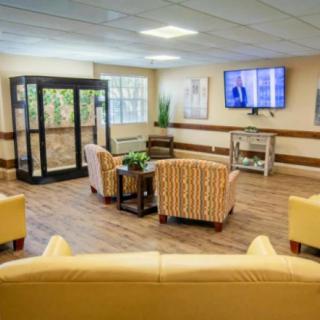
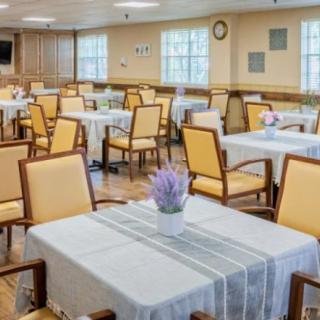
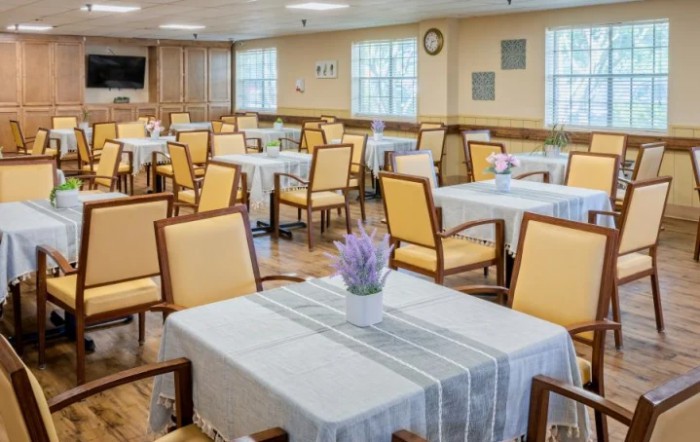
Operationally, structural limitations compound the risk. The facility is described as crowded and narrow, with a dining area that cannot comfortably accommodate all residents at peak times. The space constraints contribute to a sense of bustle that can feel hectic rather than calm, complicating attempts to deliver attentive, individualized care. The absence of a dedicated memory-care program means a mismatch for residents with dementia who require specialized routines and safeguards. Administration is frequently singled out as a weak link, with complaints about follow-through and timely feedback to families, even when floor staff are praised for empathy and reliability.
This combination of warmth on the floor and serious administrative and safety concerns means alternatives should be seriously considered for most families. If memory impairment, high medical complexity, or the need for dependable, transparent family communication are priorities, other communities will typically deliver more consistent results. Prospective residents should compare not only the stated services but the realities of day-to-day operations: call-light responsiveness, wound-care oversight, infection control, room cleanliness, and the accessibility of a single, accountable point of contact for family members.
For families weighing a decision, due diligence is essential. Schedule a face-to-face observation during multiple shifts, including evenings, to assess responsiveness and quietness, not just the daytime impression. Request to review the most recent state survey and any corrective action plans, and ask for concrete examples of how family communication is handled, who texts or calls, and how often. Inquire about meal scheduling, space management, and opportunities for residents to participate in excursions or off-site activities. If these elements align with expectations and risk tolerance, Legacy Port Allen can be a reasonable choice; if not, proceed to options with stronger administrative reliability, clearer care progression plans, and dedicated memory-care or higher-acuity medical support.
 125 resident community capacity
 Skilled Nursing Facility
 Air-conditioning
 Beauty salon
 Cable or satellite TV
 Computer center
 Dining room
 Fitness room
 Fully furnished
 Gaming room
 Garden
 Housekeeping services
 Kitchenette
 Move-in coordination
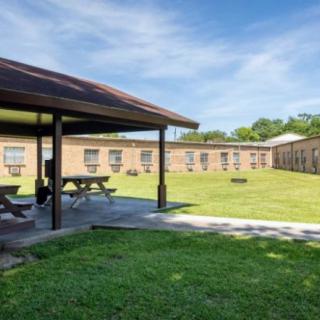
 Outdoor space
 Private bathrooms
 Restaurant-style dining
 Small library
 Telephone
 Wellness center
 Wi-Fi/high-speed internet available
 Baton Rouge Metropolitan (7 miles away)
 Community operated transportation
 12-16 hour nursing
 24-hour call system
 Activities of daily living assistance
 Assistance with bathing
 Assistance with dressing
 Assistance with transfers
 Diabetes diet
 Medication management
 Mental wellness program
 Special dietary restrictions
 Concierge services
 Planned day trips



 Managing Nursing Home Expenses After Medicare Coverage Ends
 Is a Geriatric Care Manager the Right Choice for Your Family?
 Compassionate Conversations: How to Comfort Someone Who Is Grieving