
855 Street. Ferdinand Street, Baton Rouge, LA 70802
For more information about senior living options: (866) 208-4318
Overall Review of Women's Community Rehabilitation Center (WCRC)
Pros
 The facility is an incredible place for women to receive treatment.
- It helps women become independent and learn how to live on their own.
- The facility is highly recommended for women suffering from severe mental illness who need help.
Cons
 The provided review is entirely positive and contains no negative statements in the third person.
Review
WCRC in Baton Rouge is best suited for adult women who are navigating severe mental illness and need a structured program that centers on independence and practical living skills. The facility’s niche is clear: a women-focused residential-rehabilitation pathway that prioritizes teaching residents how to manage daily life with support, rather than a generic custodial setting. For families seeking a goal-oriented environment where independence is the endgame, WCRC presents a compelling fit in the Baton Rouge area.
The available reviews signal a workmanlike belief in the program’s core promise. Descriptions call the center an “incredible place” where women receive the treatment necessary to become independent and learn how to live on their own. The strongest takeaway is a confidence that residents leave not only stabilized but equipped to reclaim autonomy, with staff and structure aligned to that objective. Such endorsements imply a cohesive curriculum, consistent support, and a culture that prioritizes practical outcomes over mere containment.
Those who should consider alternatives include families with residents who do not fit a women-only, independence-first model. If a loved one requires a coed setting, more intensive medical supervision, or higher-acuity psychiatric care beyond what a rehabilitation-focused program typically provides, other facilities may be a better match. Additionally, if short-term crisis stabilization, memory-care needs, or specialized medical oversight are primary requirements, it would be prudent to explore options designed for those specific needs. Location, language, or cultural considerations may also drive families toward alternatives with different service mixes or staffing profiles.
The key strengths, clear focus on independence, targeted treatment for women with significant mental-health needs, and the potential for meaningful transition to self-sufficiency, offset several common concerns. When a program explicitly centers on life skills and living independently, the risk of prolonged custodial placement diminishes, and hope for sustainable gains increases. The highly favorable star ratings from both reviewed experiences reinforce that families can anticipate tangible progress in autonomy, which often translates into better long-term trajectories and lower stress for caretakers who worry about relapse or repeated hospitalization.
Yet certain practical questions deserve emphasis during decisions. Prospective residents and their families should seek clarity on length of stay, the intensity and cadence of therapeutic activities, and the availability of aftercare support to sustain gains after discharge. Understanding cost, what’s included in that cost, and what insurance or funding sources are accepted remains essential. Inquiries about staff-to-resident ratios, safety protocols, and the facility’s approach to crisis management will help set realistic expectations. A tour or direct conversations with admissions can illuminate whether the program’s daily structure aligns with the resident’s current needs and personal style.
In the end, this community offers a focused, purpose-driven path for women ready to move from treatment toward independent living. When the priority is structured treatment that builds practical skills and confidence in daily living, WCRC stands out as a strong option in Baton Rouge. It is not the default choice for every scenario, alternatives should be considered for male residents, higher-acuity medical needs, or shorter-term stabilization, but for families seeking a decisive program aimed at turning treatment into independence, this facility warrants serious consideration. A careful, detail-oriented intake conversation will confirm whether WCRC can deliver the specific outcomes anticipated by loved ones and ensure a well-maired transition planning strategy.
 16 resident community capacity
 Assisted Living
 Cable or satellite TV
 Dining room
 Fully furnished
 Garden
 Housekeeping services
 Move-in coordination
 Outdoor space
 Telephone
 Wi-Fi/high-speed internet available
 Baton Rouge Metropolitan (7 miles away)
 24-hour supervision
 Activities of daily living assistance
 Assistance with bathing
 Assistance with dressing
 Assistance with transfers
 Diabetes diet
 Meal preparation and service
 Medication management
 Special dietary restrictions
 Transportation arrangement (medical)
 Transportation to doctors appointments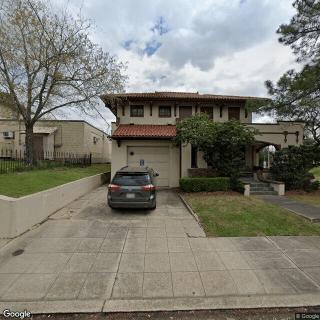




 Comprehensive Supportive Living Arrangements for Adults with Disabilities
 Funding and Affording Assisted Living: A Thorough Overview
 Assisted Living Expenses and Long-Term Care Insurance: A Comprehensive Exploration