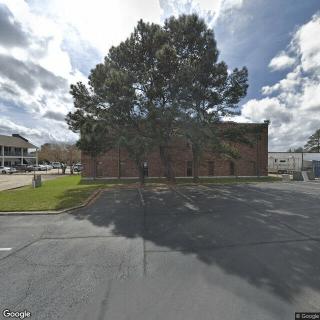
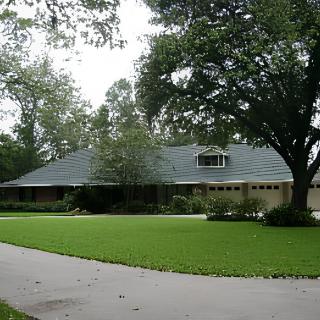
Baton Rouge Gen Medical Center is a nursing home community in Baton Rouge, LA.
Information last verified:
3600 Florida Boulevard, Baton Rouge, LA 70806
For more information about senior living options: (866) 208-4318
2.9 from 113 reviews
5 stars
47
4 stars
7
3 stars
3
2 stars
2
1 stars
54
Overall Review of Baton Rouge Gen Medical Center
common24 reviews mention this
Staff care is often praised
Many reviewers describe staff as kind, responsive, and thorough during care.
A large share of reviewers say they felt well cared for by nurses, doctors, and other staff members. People mention feeling respected, listened to, and kept informed, including cases where tests were explained and follow-up care was clear. Some also highlight comfort and cleanliness during longer stays. A recurring detail is that staff responsiveness helped reduce anxiety and improved the overall experience.
caveat10 reviews mention this
Unprofessional front desk visits happen
Several reviewers report rude, dismissive, or unprofessional interactions at check-in.
Some reviews focus on negative experiences with the front desk or reception, including being spoken to harshly, dismissed, or treated as if they were bothering staff. A few reviewers also describe poor communication during check-in and discharge, leading to additional stress while waiting for help or paperwork. While other reviewers report the opposite experience, these complaints are frequent enough to stand out as a potential issue for daily interactions.
caveat14 reviews mention this
Long waits and slow follow-through
Multiple reviewers complain about waiting hours and delayed next steps.
Several reviewers describe waiting in emergency or related areas for extended periods before being seen, sometimes mentioning multiple hours in a waiting room. Others add that they did not receive timely updates, test results, or prescriptions, even after repeated calls or extended time in the facility. A few reviews also connect delays to worsening symptoms or an overall sense that care was not moving fast enough. Even when some staff members were described positively, the wait and follow-through issues still show up repeatedly in the negative reviews.
How we summarize
Counts show how many written reviews mention each theme; a review can touch several themes, and only frequently mentioned themes are displayed.
Features
Housing
54 resident community capacity
Types of Care
Skilled Nursing Facility
Amenities
Air-conditioning
Beauty salon
Cable or satellite TV
Computer center
Dining room
Fitness room
Fully furnished
Gaming room
Garden
Housekeeping services
Kitchenette
Move-in coordination
Outdoor space
Private bathrooms
Restaurant-style dining
Small library
Telephone
Wellness center
Wi-Fi/high-speed internet available
Transportation
Baton Rouge Metropolitan (6 miles away)
Community operated transportation
Transportation arrangement
Transportation arrangement (non-medical)
Transportation to doctors appointments
Care Services
12-16 hour nursing
24-hour call system
24-hour supervision
Activities of daily living assistance
Assistance with bathing
Assistance with dressing
Assistance with transfers
Diabetes diet
Meal preparation and service
Medication management
Mental wellness program
Special dietary restrictions
Dining
Diabetes diet
Special dietary restrictions
Activities
Community-sponsored activities
Concierge services
Fitness programs
Planned day trips
Resident-run activities
Scheduled daily activities
Nearby Places of Interest
Pharmacies
Walgreens (0.3 miles)
CVS Pharmacy (0.4 miles)
Louisiana Express Pharmacy (0.6 miles)
CVS Pharmacy (1.6 miles)
CVS Pharmacy (2.4 miles)
Walgreens (3.4 miles)
Walgreens (3.8 miles)
Restaurants
Elsie's Plate & Pie (0.4 miles)
McDonald's (1 miles)
Sonic Drive-In (1.1 miles)
Superior Grill (1.2 miles)
Sonic Drive-In (1.6 miles)
Parrain's Seafood Restaurant (1.8 miles)
Zippy's Burritos Tacos & More (1.8 miles)
Places of Worship
Sacred Heart Catholic Church (0.8 miles)
First Presbyterian Church (1.8 miles)
Macedonia Missionary Baptist Church (2.3 miles)
University United Methodist Church (2.4 miles)
Times of Refreshing Evangelistic Ministry (2.5 miles)
St Alban's Chapel, LSU (2.7 miles)
Cafes
Brew Ha Ha (1.4 miles)
Starbucks (2.1 miles)
Coffee Call (2.2 miles)
Panera Bread (3.2 miles)
Daiquiri Cafe (3.9 miles)
Transportation
Hertz Rent A Car (2 miles)
Parks
Arsenal Park (2 miles)
Theaters
MovieTavern (2.4 miles)
Hospitals
Our Lady of the Lake Regional Medical Center (2.5 miles)
Our Lady of Lake Hospital (2.6 miles)
Our Lady of the Lake Regional Medical Center (3.3 miles)
Baton Rouge Bioidentical (3.4 miles)
Our Lady of the Lake Physician Group Internal Medicine at O'Donovan (4 miles)
Our Lady of the Lake Regional Medical Center (4.1 miles)
Centene Corporation (4.2 miles)
Physicians
Allergy Clinic (2.9 miles)
Associates in Pediatric and Adolescent Medicine (3 miles)
Bella Family Medical (3.2 miles)
Associates In Plastic Surgery (3.3 miles)
Williamson Eye Center (3.4 miles)
Matthew A. Neumann, MD (3.9 miles)
Our Lady of the Lake Physician Group Center for Psychiatric Residency Services (3.9 miles)
The overview of blood pressure management for seniors emphasizes the importance of monitoring and interpreting blood pressure readings, noting that normal ranges can vary due to age-related factors and individual health conditions. It highlights tailored guidelines for systolic and diastolic levels, the necessity of early detection and consistent management to prevent serious health complications, and advocates for personalized care strategies that incorporate lifestyle changes and medication adherence.
Dogs can greatly improve the lives of older adults by offering emotional support and encouraging physical activity, with factors such as size, temperament, and grooming needs being crucial in selecting a suitable breed. Senior dogs often make ideal companions for this demographic, promoting social connections and requiring care routines that align with seniors' capabilities.
The guide on blood pressure charts for older adults stresses the importance of understanding normal and high blood pressure readings influenced by age, genetics, and lifestyle, while emphasizing regular monitoring and lifestyle modifications to prevent serious health issues. It provides insights into blood pressure categories, dietary recommendations, medication considerations, and the role of caregivers in supporting healthy habits.
Get PricingAsk A QuestionSchedule A TourContact Senior Advisor
By clicking submit, you agree to our Partner's Terms of Use. You
also consent to receive calls and texts, which may be autodialed, from our Partner. Your consent is not a condition to
using our Partner's service. Please visit our Partner's Privacy Policy for information about their privacy practices.

 54 resident community capacity
 Skilled Nursing Facility
 Air-conditioning
 Beauty salon
 Cable or satellite TV
 Computer center
 Dining room
 Fitness room
 Fully furnished
 Gaming room
 Garden
 Housekeeping services
 Kitchenette
 Move-in coordination
 Outdoor space
 Private bathrooms
 Restaurant-style dining
 Small library
 Telephone
 Wellness center
 Wi-Fi/high-speed internet available
 Baton Rouge Metropolitan (6 miles away)
 Community operated transportation
 12-16 hour nursing
 24-hour call system
 Activities of daily living assistance
 Assistance with bathing
 Assistance with dressing
 Assistance with transfers
 Diabetes diet
 Medication management
 Mental wellness program
 Special dietary restrictions
 Concierge services
 Planned day trips
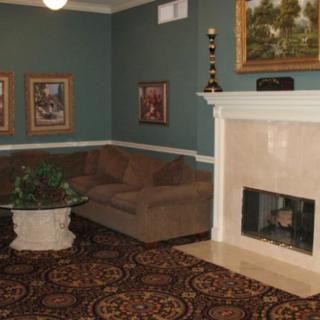
 Caring staff in a clean, remodeled facility with engaging activities.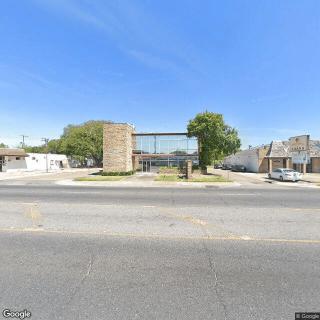

 Comprehensive Look at Senior Blood Pressure Charts: Normal and Elevated Levels by Age
 Top Canine Companions for Older Adults
 Comprehensive Guide to Blood Pressure Charts for Older Adults: Understanding Normal and High Readings by Age