
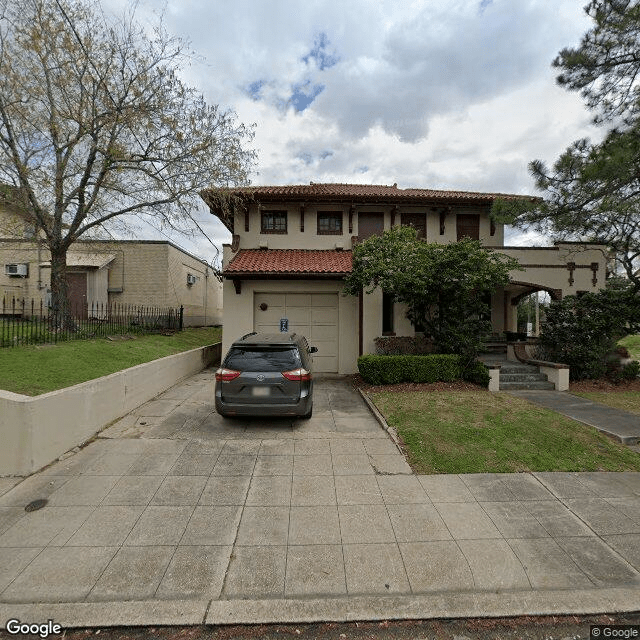
855 St. Ferdinand Street, Baton Rouge, LA 70802
To contact a resident: (225) 336-0000
For more information about senior living options: (866) 208-4318
Overall Review of Women's Community Rehabilitation Center (WCRC
Pros
 The facility is an incredible place for women to receive treatment that helps them become independent and learn to live on their own.
- It is highly recommended for women suffering from severe mental illness who need help.
Review
This community is best suited for women in Baton Rouge who are navigating a severe mental health challenge and want a structured path to independence. WCRC presents a focused, women-centered setting where treatment is oriented toward stability, skill-building, and the gradual transition toward living independently. Families should view this as a targeted rehabilitative option that prioritizes empowerment, routine, and relearning daily living competencies within a supportive, female-only environment. The emphasis is on turning a period of treatment into a turning point toward autonomy, with clear expectations for progress and self-sufficiency.
Organizations like this work best for individuals who prefer a clearly delineated, gender-specific program rather than coed settings. Those seeking extensive medical oversight, a hospital-based milieu, or rapid, short-term crisis stabilization may find alternatives better aligned with immediate medical needs. Likewise, anyone requiring a broad continuum of care that includes diverse medical specialties or long-term geriatric supports should consider options with a wider service umbrella. In short, non-ideal matches include cases requiring mixed-gender environments, intensive medical management, or highly specialized subspecialty care outside the mental health rehabilitation sphere.
The strongest selling point centers on the explicit goal of independence. The reviews describe a facility that helps women receive treatment with the objective of learning to live on their own. That mission carries real weight for families seeking durable outcomes rather than temporary placement. The program’s attractiveness rests in its clear, outcomes-driven posture: build skills, instill accountability, and equip residents to navigate daily life with greater autonomy. In practice, this translates into a rehabilitative approach that prioritizes practical living skills, self-reliance, and a pathway out of structured care into independent living.
Another major advantage is the focused, compassionate atmosphere implied by the testimonials. A women-only environment paired with dedicated staff appears to foster trust and engagement, which are essential for meaningful therapeutic progress. When residents feel seen and supported within a community of peers facing similar challenges, adherence to treatment plans tends to improve, and the likelihood of sustainable change increases. The upshot is a sense of safety and belonging that can accelerate personal growth, reduce relapse risk, and anchor the transition to independent adulthood.
Still, certain realities constrain the fit. The most notable trade-off is the program’s exclusive focus on women, which inherently excludes men or non-binary individuals seeking similar services. The lack of broader medical and subspecialty resources, at least from the information available, may leave families weighing the need for more comprehensive care or longer-term support. Location is another consideration: Baton Rouge-based availability limits access for those outside the locale, and admission timing can hinge on capacity. For families needing co-occurring substance use treatment integrated with psychiatric care, or those requesting intensive medical monitoring, alternatives should be explored.
For optimal clarity, families should verify several practical details before committing. Confirm the scope of services related to therapy, medication management, discharge planning, and aftercare support. Inquire about admission criteria, length of stay expectations, and whether there are step-down options or housing transitions once independence is achieved. Ask about licensing, accreditation, and any partnerships with local providers to ensure continuity of care after discharge. When aligned with a woman’s treatment goals, WCRC offers a compelling path toward independence; when those goals require broader medical services or gender-inclusive programming, it is prudent to pursue alternatives with a wider clinical footprint.
 Board and Care Home
 Baton Rouge Metropolitan (7 miles away)





 Comprehensive Look at Senior Blood Pressure Charts: Normal and Elevated Levels by Age
 Top Canine Companions for Older Adults
 Comprehensive Guide to Blood Pressure Charts for Older Adults: Understanding Normal and High Readings by Age