
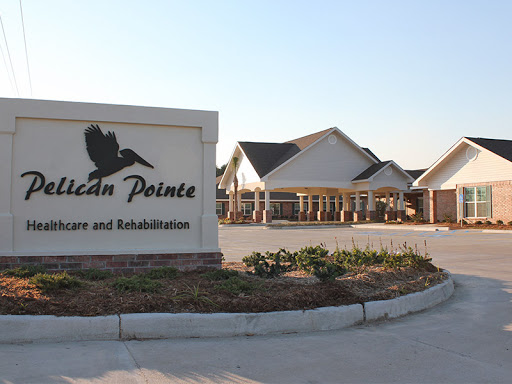






405 Milton Road, Maurice, LA 70555
For more information about senior living options: (866) 208-4318
Overall Review of Pelican Pointe Healthcare And Rehabilitation
Pros
 Management is great here.
- The facility is great for housing loved ones.
- The staff are loving and caring.
- The physical therapist helped the patient walk again after a bout with multiple myeloma.
- The three-month stay featured a loving staff.
Cons
 The facility is unsanitary and incapable of proper care.
- The staff failed to assist after the mother’s death, and a nurse told the family that she died in 2.5 seconds.
- The rehab wing provided horrible care, with the grandmother not bathed and bruises appearing daily.
- Communication was nonexistent; nursing staff, doctors, NP, and management did not return calls.
- The night staff were uncaring and showed little consideration for patients.
- Staff ignored requests for assistance and offered no real support when needed.
- The reviewers would never place a loved one there and warn others not to send relatives.
- The grandmother developed new bruises daily due to the poor care.
Review
Pelican Pointe in Maurice, LA is best suited for families pursuing short- to mid-term rehabilitation where hands-on oversight can be maintained and where there is value placed on therapy progress. The facility has shown moments of genuine caregiving and practical therapy success, which can matter when a loved one needs structured rehab and clear results from therapists. However, it is not the right choice for families seeking consistently pristine environments, seamless daily care, and unwavering communication. For those who require steady, predictable custodial support and transparent, responsive management, alternatives should be on the table rather than a default assumption.
The strongest, recurring positives center on rehabilitative potential and care moments from some staff. Several reviewers highlighted effective physical therapy experiences and appreciable progress, with statements praising the therapeutic staff and even describing meaningful mobility gains. A subset of residents and families also spoke fondly of certain caregivers and of management that demonstrated competence and warmth. These signals suggest Pelican Pointe can deliver genuine value when therapy is the priority and when relationships with caregivers are constructive. In a setting where rehab is the primary aim, these elements can translate into tangible improvements and a hopeful trajectory for recovery.
Yet the weight of negative experiences dominates the picture. Reviews repeatedly flag unsanitary conditions and a troubling pattern of inadequate daily care, including difficulty with basic tasks such as bathing and private nursing assistance. Instances of bruising, neglect, and slow or absent responses to call bells point to serious patient safety concerns. Communication is frequently described as unreliable, with families left waiting for information and staff difficult to reach. Night-shift behavior is criticized for a lack of consideration toward patients, amplifying worries about overall safety and the consistency of routine care. A single, grim recurrence is the death of a resident in the rehab wing, coupled with delays in releasing medical notes to counsel; such episodes eclipse any potential positives.
Against these deficits, the pros, where they exist, do not adequately offset the core risks. The presence of capable therapists and some compassionate caregivers can matter deeply for individuals pursuing rehab, but the overarching safety, cleanliness, and communication gaps erode confidence in the facility as a dependable long-term solution. The math here is clear: meaningful therapeutic gains do little to justify repeated concerns about basic dignity and timely care. For families, that means the expectation must be rigorous oversight, relentless follow-through on care plans, and a readiness to intervene to prevent lapses. Without that, the negatives quickly overwhelm the benefits of therapy.
For families still weighing Pelican Pointe, focus the due diligence on concrete, decision-driving questions. What are nurse-to-patient ratios across day and night shifts? How quickly are call bells answered, and what is the escalation path for urgent needs? What systems exist to ensure timely bathing, wound care, and daily hygiene? Can prospective residents see recent incident logs and corrective actions? Request face-to-face meetings with management to discuss care plans, and solicit candid references from current families about day-to-day reliability. A tour should include careful observations of cleanliness, staff responsiveness, and the atmosphere during peak activity periods, not just in quiet moments.
In the end, Pelican Pointe reads as a mixed-bidelity option. It can be a reasonable choice for a brief rehab stay where therapy outcomes are the priority and a family is prepared to supervise closely, demand accountability, and step in when standards slip. For anyone seeking consistent long-term custodial care, transparent operations, and a consistently sanitary environment, alternatives deserve serious consideration. The decision rests on whether the anticipated rehabilitation gains, supported by vigilant family oversight, can realistically outweigh the documented care and safety concerns.
 120 resident community capacity
 Skilled Nursing Facility
 Air-conditioning
 Beauty salon
 Cable or satellite TV
 Computer center
 Dining room
 Fitness room
 Fully furnished
 Gaming room
 Garden
 Housekeeping services
 Kitchenette
 Move-in coordination
 Outdoor space
 Private bathrooms
 Restaurant-style dining
 Small library
 Telephone
 Wellness center
 Wi-Fi/high-speed internet available
 Lafayette Regional (11 miles away)
 Community operated transportation
 12-16 hour nursing
 24-hour call system
 Activities of daily living assistance
 Assistance with bathing
 Assistance with dressing
 Assistance with transfers
 Diabetes diet
 Medication management
 Mental wellness program
 Special dietary restrictions
 Concierge services
 Planned day trips







 Comprehensive Guide to Medicare Coverage for Hospice Care
 Caring for Those Who Care: Recognizing, Understanding, and Overcoming Caregiver Burnout
 Caregiver Exhaustion: Recognizing the Signs and Restoring Your Well-Being